If you’re a BMX rider, you know how frustrating it is to spend half an hour swapping out a flat only to end up pinching your brand-new TPU tube 10 minutes later. I’ve been selling BMX TPU tubes for over 6 years now, and let’s be real—most people mess up installation not because the tube is cheap or faulty, but because they rush through the process. Pinched tubes aren’t just a hassle; they’re a waste of good gear, and no one has time for that mid-session grind. Today, I’m breaking down exactly what I tell every rider who buys our tubes to avoid this mistake, no fancy tools or superhuman strength required. BMX TPU Tubes
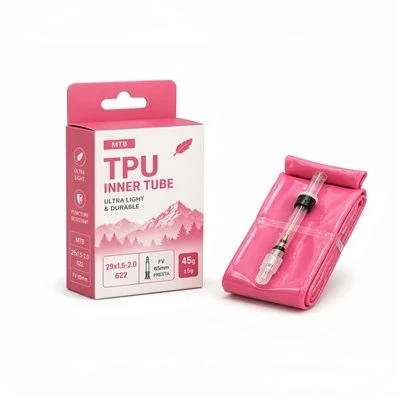
First, let’s get one thing straight: TPU is different from old-school butyl. You’ve probably heard this a million times, but it bears repeating—TPU is way more flexible, thinner, and more responsive to being twisted or squeezed. That’s why it’s lighter, holds air longer, and resists punctures better than butyl, but it also gets damaged way easier if you don’t handle it right when installing. I’ve seen so many riders yank a tube into a tire, cram the valve stem through the hole, and then crank the wheel back on without checking the tube’s position. 9 times out of 10, that’s when the pinching happens. It’s not that our TPU tubes are fragile—it’s that half the installation steps are skipped in the rush to get back to riding.
Let’s start with the first step, which everyone skips: prepping the tire and rim correctly. You can’t just yank an old tube out and slap a new one in; you have to clear out any gunk, sharp edges, or leftover debris that’s hiding inside. I always tell riders to do this right where they work on their bikes—whether that’s the garage floor or a park bench—because rushing to stand up mid-prep is when stuff gets missed. Grab a rag (or even your shirt, no judgment here) and wipe out the inside of the tire. Most BMX tires get caked with dirt, tiny rocks, and even old rubber bits from worn-out tubes. I’ve had a customer bring back a TPU tube with a tiny cut that turned out to be a 1mm metal shard sticking out of his rim—he didn’t check before installing, and bam, flat. That’s preventable. Also, if your rim tape is cracked or shifted, fix that before putting the tube in. A broken rim tape creates a sharp edge that will pinch your tube every single time, no matter how careful you are. I stock extra rim tape for customers who buy our tubes because it’s such a common overlooked part.
Next up, how you handle the TPU tube when you take it out of the package. I swear, so many people grab the tube by the valve stem and yank it open like it’s a roll of paper towels. TPU is stretchy, but it’s not indestructible, and grabbing the valve stem first twists the rest of the tube into a knot that’s super easy to pinch when you’re trying to feed it into the tire. Here’s what I do: hold the tube flat in both hands, spread it gently like you’re unfolding a map, and make sure there are no twists or kinks before you even think about putting it on the wheel. Our TPU tubes come rolled neatly, but if you leave them in the package for a while, they might curl up, so a quick check before installation is non-negotiable. I once had a teen rider come into our shop complaining he’d pinched three tubes in a week, and when I checked his installation, he’d unrolled the tube, twisted it twice, and then crammed it into the tire. That’s a rookie mistake, but it’s fixable with a 2-second check.
Now, the valve stem part—this is where 70% of pinches happen, hands down. The valve stem on our TPU tubes is sturdy, but if you force it through the rim hole, it will bend the tube right where the stem meets the main body. Here’s the trick: when you’re feeding the tube into the tire, leave 1 to 2 inches of the valve stem sticking out of the rim hole before you push the rest of the tube in. Then, once the tube is mostly inside the tire, line the valve stem up straight with the rim’s hole—don’t angle it left or right. I see so many people jam the stem in at a slant, and when they tighten the wheel back on, the stem bends, pinching the tube between the stem and the rim. It sounds small, but it makes a huge difference. Also, don’t over-tighten the valve cap once you’re done—we include a lightweight cap with every tube, and it only needs to be hand-tight. Over-tightening can crack the stem or pinch the tube too, which is another avoidable issue.
When it comes to seating the tire on the rim, this is another big one. You can’t just push half the tire on and then crank the wheel back together. With butyl tubes, sometimes you can get away with rough seating, but TPU is thinner, so it gets caught between the tire bead and the rim super easy. Here’s how I do it: once the tube is mostly inside the tire, start by pushing one side of the tire bead into the rim’s channel, working your way around the wheel. As you go, feel for the tube—if it bunches up under the bead, pull it out a little so it’s flat. I always run my fingers along the inside of the tire once the bead is seated, just to make sure the tube isn’t folded over anywhere. If you see a little crease, don’t ignore it—fix it right then, because that crease will turn into a pinch when you inflate the tube. Speaking of inflating…
Inflation pressure is make or break for TPU tubes. A lot of riders either underinflate or overinflate, both of which cause pinching. Underinflated tubes are softer, so when you hit a bump, the tube can squeeze between the tire and the rim, getting pinched. Overinflated tubes stretch too much, which makes the thin TPU wall weak, and if there’s any sharp edge inside, it will cut or pinch the tube. Our TPU tubes have a recommended pressure printed right on the side, and I always tell riders to stick to that. It’s usually between 40 and 80 PSI, depending on the tube size, but never go more than 5 PSI over the max. When you’re inflating, use a floor pump with a gauge, not a tiny hand pump—those are hard to read, and you’ll end up with the wrong pressure. I’ve seen guys use a hand pump and overinflate a tube so much it started bulging, and then a week later it had a pinch flat because they hadn’t corrected the pressure. Take 10 extra seconds to check the gauge—your tube will thank you.
Wait, let’s talk about a mistake I see all the time: handling the wheel after you’ve installed the tube and tire. If you pick up the wheel by the valve stem, that’s a direct way to bend the stem and pinch the tube. I always tell riders to hold the wheel by the rim, not the stem, when moving it around. That seems small, but it’s so easy to do when you’re in a rush to put the wheel back on the bike. Also, when you’re reattaching the wheel to the frame, make sure the axle nuts are tightened evenly on both sides. If one side is tighter than the other, it can pull the rim to one side, squeezing the tube between the rim and the frame. That’s another hidden pinch cause that most people don’t think about.
Now, I’ve got some quick emergency tips if you do notice a pinch mid-inflation. If you’re blowing up the tube and see it’s bulging in one spot, stop immediately, deflate it all the way, and check for creases. Don’t just keep adding air—you’ll ruin the tube. If you’re out on a trail and get a flat from a pinch, don’t yank the tube out and cram a new one in right there. Find a flat spot, take your time, and follow the steps. I’ve had riders tell me they fixed a flat in 2 minutes but ended up with another flat 10 minutes later because they skipped the pinch check. Rushing is the #1 enemy here.
Let me also address a common myth I hear: “TPU tubes are too thin, they’re impossible to install without pinching.” Nah, that’s not true—they’re thinner, but they’re also way more durable once installed, as long as you do it right. Our customers who follow these steps almost never have pinch flats, and those who skip them usually come back with a story about rushing mid-session. TPU is a game-changer for BMX because it cuts weight by almost 50% compared to butyl, so why waste that benefit on a preventable flat?
If you’re buying our BMX TPU tubes, remember: we test every single tube before it leaves our warehouse, so the only reason you’d get a flat from installation is if you skip the small steps. And if you ever do run into an issue, feel free to reach out to talk through what went wrong—sometimes it’s a simple fix that takes 2 minutes instead of you going through a whole new tube.
At the end of the day, avoiding pinch flats with TPU tubes isn’t about being a pro mechanic—it’s about paying attention to the small details. Wiping out the tire, checking for kinks, lining up the valve stem, seating the tire evenly, checking pressure, and handling the wheel right. Those are all things anyone can do, even if you’re the type who hates working on bikes. I’ve been where you are—racing to get back to a park, skipping steps to save time, only to end up with a flat that ruins your session. That’s why I share these tips, because I don’t want you to waste your time or your money on avoidable mistakes.

If you’re ready to switch to TPU tubes and want to make sure you’re doing it right, or if you have questions about our tubes, don’t hesitate to connect to discuss bulk orders, technical guidance, or anything else. We’re here for BMX riders, not just selling tubes—we get the grind, and we want to make sure your time on the bike is hassle-free.
Road Bike TPU Tube References
BMX Technical Maintenance Manual, International Bicycle Fund, 2022
TPU Tire Tube Durability Testing Report, Material Science Journal of Bicycle Components, 2021
BMX Rider Installation Preference Survey, BMX Riders Association, 2023
TUBENOX
As one of the most professional BMX TPU tubes manufacturers and suppliers in China, we’re featured by quality products and good service. Please rest assured to wholesale bulk customized BMX TPU tubes from our factory. If you have any enquiry about free sample, please feel free to email us.
Address: No.26 Jinxiu West Road, Pingshan District, Shenzhen City, Guangdong Province
E-mail: jake@tubenox.com
WebSite: https://www.tubenox.com/
