Alright, if you’re like me, when you send out a trophy order to a client, you don’t just want the award itself to look good—you want the base to tie the whole thing together, right? I’ve been in the wood and metal trophy game for over 12 years now, and let me tell you, I’ve gotten every question under the sun about bases. Most people ask “what looks cool?” but the right base? It’s way more than just a placeholder. It’s the thing that keeps the trophy from tipping over on a fancy boardroom table, it can make the metal detail pop like crazy, and it even ties into the vibe of the whole award—whether that’s a 10-year company service prize or a weekend softball tourney trophy. Today I’m breaking down exactly what base works best for wood & metal trophies, no corporate fluff, just real talk from someone who’s packed and shipped thousands of these things. Wood & Metal Trophy
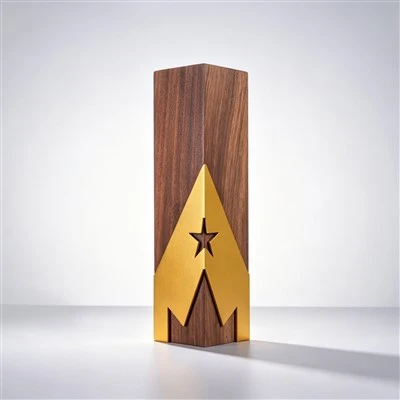
First off, let’s start with the basics: wood and metal trophies have totally different needs than, say, plastic sports trophies or crystal awards. Metal parts are usually the showstopper—think engraved nameplates, sculpted figurines, or custom logos—and wood is almost always the sturdy, warm base material. But pairing them wrong (like, say, a thin ¼-inch MDF base for a 3-pound metal eagle? Don’t even get me started) will lead to headaches: tipping awards, scratched tables, trophies that look cheap even if they cost a pretty penny. So let’s go through the main base types I see (and test) all the time, and which ones actually work for wood & metal stuff.
First up: Solid hardwood blocks. This is my personal go-to for like 70% of our orders, and here’s why. Not all hardwood is created equal, obviously—we’ve tried pine (way too soft, scratches if you so much as drop a paper clip on it), poplar (ok for cheap small trophies, but it dents easy), and then we settled on maple and oak a long time ago. Wait, but what’s great about solid hardwood for metal trophies? For one, it’s heavy enough to keep even a decently sized metal sculpt from tipping. Let’s do the math: a standard 5-inch solid oak block is like 1.2 pounds on its own. Add a 2-pound metal custom logo on top, and that’s 3.2 pounds total—more than enough to sit stable on a 6-foot conference table, even if someone knocks it by accident. No wobbly trophies here, I promise.
Another big win with solid hardwood: it lets you customize the finish to match the metal or the event. Like, if someone orders a bunch of silver-toned metal trophies for a corporate sales award, we can do a dark walnut oak base—rich, warm, makes the silver really glow. If it’s a youth sports thing, maybe a light maple base with a clear coat so it has that clean, playground-friendly look? Also, engraving on hardwood? Perfect. We can do deep laser engraving for names or dates, and if someone wants a metal nameplate, wait—solid hardwood’s flat surface means the nameplate lines up straight, no warping from cheap base material that pulls the plate off. I’ve had clients tell us our wood bases are the reason their awards look more premium than the ones they got from other suppliers, and that’s the kind of review that makes the late nights worth it.
Wait, but what about solid downsides? Solid hardwood is a bit more expensive than, say, medium-density fiberboard (MDF) or laminate bases, so if someone’s ordering 500 tiny $10 trophies for a rec league, it might not fit their budget. Also, if you go super small (like 2-inch square bases for keychain trophies), solid hardwood can look bulky or overkill. But for most mid-to-large wood & metal trophies—think 8 to 12 inches tall—solid hardwood is non-negotiable, in my book.
Next, let’s talk about something I actually used to avoid like the plague: engineered wood bases. Wait, hold on, not all engineered wood is bad—wait, no, let’s clarify: I’m talking about high-quality plywood, not the cheap particleboard you find at a big box store for $2 a sheet. A lot of new trophy suppliers jump to particleboard bases because they’re cheap, but they suck for wood & metal trophies. They absorb moisture (so if you ship a trophy somewhere humid, the base swells and the metal plate warps), they scratch like crazy, and they can’t handle heavy metal parts without splitting. Plywood, though? Thicker plywood—like ½-inch Baltic birch—is actually a solid middle ground. It’s cheaper than solid hardwood, it’s super stable, no warping, and the surface is smooth enough for metal nameplates. I use Baltic birch for our smaller, lower-budget orders, like 4-inch metal baseball caps on a 3-inch wood base for little league awards. The only catch? It doesn’t have the same rich, natural grain as solid hardwood, so it doesn’t give that “luxury” feel for corporate or lifetime achievement trophies. So it’s great for bulk, casual stuff, just not for high-end awards.
Then there’s the thing that a lot of people sleep on: metal bases themselves. Wait, I know, we’re talking about wood & metal trophies—why would you do a metal base? But hear me out. If your trophy has a big, statement metal piece (like a 6-inch bronze sculpted lion), a metal base makes the whole thing feel like one cohesive, heavy, premium piece. I don’t mean thin aluminum sheet metal—those bend if you look at them. I mean solid aluminum or cast iron bases, either matching the finish of the metal top (so bronze sculpt + bronze base, silver sculpt + silver base) or a contrasting color, like a brushed steel base with a gold metal top. This works amazing for things like industry achievement awards, or trophies for big charity galas where you want the whole thing to feel substantial. The only downsides? Metal bases are way more expensive than wood, they’re heavier to ship (which means higher shipping costs for clients), and if you’re on a super tight budget, they’re just not feasible. Also, if you pair a hot gold metal top with a bright gold metal base, sometimes it can look too matchy-matchy—so you have to pick contrasting undertones, like a gold sculpt with a brushed nickel base, to keep it interesting.
Wait, now let’s get into what you should actually avoid, because I’ve seen so many people make this mistake. First, thin plastic bases. I don’t care how pretty the color is, if your metal trophy weighs more than a pound, a plastic base will tip, crack, and the metal part will yank off the base before you can even present it. I had a client a couple years ago order 20 plastic-based trophies for a local business award—half of them had to be replaced after the first week because the metal nameplates ripped right through the plastic. Never again. Second, laminate bases with a cheap veneer. A lot of places sell laminate that looks like wood, but it’s just a thin print on particleboard. The veneer scratches off in two seconds, and if the metal nameplate is attached with glue (like a lot of cheap suppliers do), the glue doesn’t stick, so the plate falls off. We had a client switch to us a while back because their old supplier’s laminate bases’ veneer was peeling so bad, their awards looked like they’d been dragged through a dirt road after a month. Third, uneven bases. If the base is warped, the metal top will sit crooked, and that’s a dead giveaway for a low-quality award. We test every single base we ship—we set a level on top of every trophy before it goes out—to make sure it’s straight, no rocking. That’s a step that a lot of suppliers skip, and it makes such a big difference.
Now, let’s tie this all together with when to pick which base, because it’s not one-size-fits-all. Let’s break down by use case, since that’s what really matters for clients. If it’s a high-end corporate award—like a 10-year service trophy with a custom metal company logo and a wooden nameplate, or a lifetime achievement award for a CEO—solid maple or oak bases with a natural or stained finish are the way to go. They feel premium, stable, and let you customize the finish to match the metal. For bulk orders, like a rec league softball tournament with 50 trophies, or small employee recognition pins with a tiny metal detail, Baltic birch plywood bases are perfect—they’re cost-effective, sturdy, and get the job done without breaking the bank. For statement pieces, like a big metal sculpt for a national industry award, solid aluminum bases are the move—they make the whole trophy feel like a true keepsake, not just a cheap prize.
Wait, another thing a lot of people don’t think about: branding. If you’re a business, brand consistency is huge. A lot of our corporate clients will ask for their base to be engraved with their company logo on the side of the wood base, not just the nameplate. Solid wood is way easier to engrave deep into, so that logo stands out, whereas plywood might have a slightly inconsistent grain that makes engraving look fuzzy. Also, if you want to add a subtle texture, like a hand-sanded edge on the base, solid hardwood takes that way better than engineered wood—you get that warm, handcrafted feel that makes the trophy feel more meaningful, not just a mass-produced item.
I also want to talk about durability, because I’ve had trophies come back to us 5 years after they were shipped, and the ones with solid wood bases look like they could go another 5 years. The ones with particleboard bases? They’re scratched, the nameplates are loose, the base is warped from sitting in a dusty closet. Metal bases? They look almost new, because they’re scratch-resistant and don’t absorb moisture. That longevity is what makes a trophy worth it, right? You want someone to display it on their shelf for years, not throw it away 6 months later.
Wait, let’s be real, there are exceptions. If you’re ordering a super small trophy—like a 2-inch metal keychain with a wooden base (for like a giveaway at a conference), then a thin plastic or even a cardboard base works, because it’s not going to sit on a shelf long-term, it’s a take-home swag item. But if it’s a trophy someone will actually keep, skip the plastic. I’ve also had a client ask for a clear acrylic base for a modern, minimalist wood & metal trophy—wait, that’s another one I almost forgot! Acrylic bases are great if you want a super sleek, contemporary look, especially if the metal and wood are super thin. They’re lightweight, but for small to medium trophies, they’re stable. The only catch is that they can scratch easily, so if someone is going to move the trophy around a lot, acrylic might not be as good as wood.
Oh, and one quick pro tip from my team: when attaching the metal part to the base, use small screws, not glue, if it’s a medium or large trophy. Glue can fail, especially if the base swells or the metal expands and contracts with temperature changes. We predrill tiny holes in the wood base and screw the metal plate or sculpture into it, so it’s secure for years. For metal bases, we use the same method, and sometimes add a rubber pad on the bottom of the base so it doesn’t scratch desks or tables—small detail, but clients love that extra touch.
At the end of the day, the best base for wood & metal trophies is the one that fits three things: stability, budget, and the vibe of the award. You don’t need to spend $20 on a base for a $15 rec league trophy, but you also don’t want to send an award that’s going to tip over or fall apart a month later. For the most versatile, durable option that works for almost every wood & metal trophy out there, solid hardwood is hard to beat—especially when you pair it with high-quality metal parts, and take the time to make sure it’s level and secure.
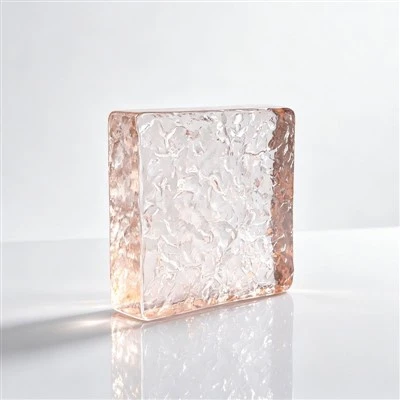
If you’re ordering wood & metal trophies, and you’re still not sure what base will work best for your order—whether it’s a single custom award or a bulk batch for your team or event—hit us up to chat through the details. We can help you pick a base that fits your budget, looks exactly the way you want, and will last for years, no headaches. Don’t overthink it—we’ve tested this stuff a hundred times, and we’ll steer you right.
Crystal Glass Block References:
- Trophy Manufacturers Association. (2022). Guide to Base Material Durability for Custom Trophies.
- Wood Science and Technology Journal. (2021). Performance of Hardwood vs. Engineered Wood for Award Bases.
- Metal Finishing Society. (2023). Best Practices for Pairing Metal Trophy Details with Base Materials.
Yiwu Meiyinbao Import & Export Co., Ltd.
Yiwu Meiyinbao Import & Export Co., Ltd. is one of the most experienced wood & metal trophy manufacturers and suppliers in China, also supports customized service. We warmly welcome you to wholesale bulk cheap wood & metal trophy from our factory. If you have any enquiry about free sample, please feel free to email us.
Address: Longhui Village Zone 1 Choujiang Subdistrict Yiwu City Zhejiang Province China
E-mail: sales@yiwuhonestal.com
WebSite: https://www.yiwucrystal.com/
