If you’ve ever wandered a home improvement store or helped a friend tackle a backyard project, you’ve likely passed the stack of PVC pipe fittings on the shelf. As a supplier who’s fielded hundreds of calls, DMs, and in-person questions from homeowners, contractors, and hobbyists, one question pops up more often than any other: “Can PVC pipe fittings actually hold up outside?” The short answer is yes—but the long answer? It’s nuanced, rooted in material science, and depends entirely on picking the right fittings for the job, not just grabbing the cheapest ones. For 12 years, I’ve shipped PVC parts to everyone from a small-town landscaper building a custom irrigation system to a school district putting in playground drainage, and I’ve seen firsthand what works, what fails, and how to avoid the costly mistakes that come with misusing these fittings outdoors. PVC Pipe Fittings
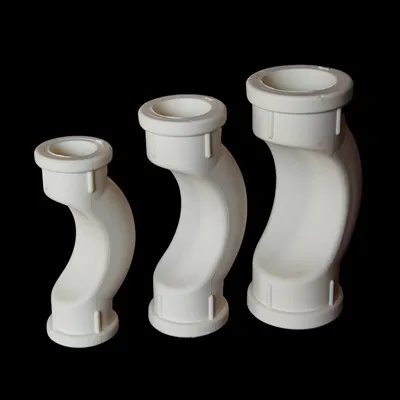
First, let’s break down what PVC is, and why it’s been a go-to for outdoor projects for decades. PVC, or polyvinyl chloride, is a thermoplastic polymer made by combining vinyl chloride monomer with additives like stabilizers, lubricants, and pigments. Unlike metal pipes that rust, wood that rots, or concrete that cracks when it freezes, PVC’s base material is inert—it doesn’t corrode, resist pests (no termite damage, for example), and has a smooth surface that won’t leach chemicals into soil or water. That’s a big selling point for outdoor use, where exposure to elements is constant. But here’s the part most people don’t realize: not all PVC fittings are the same, especially when it comes to withstanding UV radiation, temperature swings, and moisture.
UV damage is the number one enemy of outdoor PVC. Sunlight, specifically the UV-A and UV-B rays that bombard us year-round, breaks down the molecular bonds in unprotected PVC over time. What starts as a bright, solid white or gray fitting will turn yellow, then brittle, then crack, split, and fall apart within a few years if left untreated. I once got a call from a homeowner who’d installed cheap, generic PVC garden hose connectors for a backyard sprinkler line three years prior; when we met to look at the damage, the fittings crumbled when we tried to unscrew them, like dry chalk. The issue? He’d bought the fittings marked “indoor only” because they were half the price of the UV-stabilized ones. That’s the line you have to watch: not all PVC is rated for outdoor exposure.
So what makes a PVC fitting outdoor-ready? The key additive here is titanium dioxide (TiO2), a pigment that acts as a UV filter. TiO2 absorbs and scatters UV rays before they can damage the PVC’s molecular structure. Outdoor-rated PVC fittings also use different stabilizers than indoor ones—indoor PVC often uses lead-based stabilizers, which are banned in many applications now, and outdoor grade uses calcium-zinc stabilizers that are more durable under extreme conditions. Another marker is the rating code printed on every fitting: look for markings like “Schedule 40 Outdoor,” “ASTM D1785,” or “NSF/ANSI 14 Standard for PVC Pipe and Fittings for Pressure Applications.” These standards aren’t arbitrary—they mean the fitting has been tested to withstand prolonged exposure to sunlight, temperature fluctuations, and even occasional chemical contact from things like fertilizer or road salt.
Temperature is the second big factor when using PVC outdoors. PVC has a glass transition temperature around 140°F, meaning above that, it starts to soften and lose structural integrity. That’s not a problem for most outdoor applications in temperate climates—where summer highs rarely top 100°F—but it’s something to consider for projects that will sit in direct sun all day in places like Arizona, Texas, or the Middle East. On the other end, PVC gets brittle in cold temperatures, especially below freezing. I’ve seen Schedule 40 PVC water lines split in a Minnesota winter because they were buried too shallow and the fittings were the thin-walled Schedule 20 grade, not the thicker, more impact-resistant Schedule 40. The rule of thumb here: for cold climates, always go for Schedule 40 or higher wall thickness, which is more flexible and less likely to crack when frozen water expands inside.
Moisture and chemical exposure are also critical. PVC is inherently water-resistant, so it’s great for things like drainage systems, rainwater collection barrels, and pool plumbing. But not all outdoor PVC fittings are designed for continuous contact with chemicals. For example, if you’re running a line that carries fertilizer, fertilizer runoff, or saltwater from coastal areas, you need to use fittings rated for chemical resistance. Generic indoor PVC will leach small amounts of additives into chemicals over time, leading to degradation and leaks. I once supplied a set of fittings to a farm that was using unrated PVC to carry concentrated liquid fertilizer; within a year, the fittings had developed pinhole leaks all along the seams. Swapping to our chemical-resistant outdoor PVC fittings fixed the issue, and they’ve held up for seven years now. Coastal applications are an extra note: salt air can be corrosive to metal, but PVC is almost immune, as long as the fittings are UV-stabilized and rated for pressure. I’ve shipped fittings to a small marina in Florida that uses PVC for dock water lines, and they haven’t had to replace a fitting in 10 years—something they couldn’t say for their old copper lines that corroded within three.
Now, let’s talk about common outdoor projects where PVC fittings work perfectly, and where you have to be extra careful. First, irrigation and drainage systems: this is the bread and butter of outdoor PVC use. A well-installed Schedule 40 outdoor PVC irrigation line with glued, pressure-rated fittings can last 20+ years, even with annual freeze-thaw cycles. The key here is to use the right type of glue too—regular indoor PVC cement is not flexible when it cures, so it can crack when the pipe expands or contracts with temperature changes. Outdoor-rated, flexible PVC cement creates a bond that moves with the pipe, reducing leaks. Rainwater harvesting systems are another great use: PVC is non-toxic, so it’s safe for drinking water (as long as it’s NSF-rated), and it’s easy to customize for barrels, pumps, and filters. I recently worked with a family in Oregon who built a 500-gallon rainwater collection system for their garden, using our UV-stabilized PVC fittings, and they’ve been collecting and using rainwater for three years without a single issue.
Playground equipment and raised garden beds are two more popular outdoor uses, but here safety is key. If you’re building a playground structure, make sure the PVC fittings are rated for structural use, not just pressure. Structural PVC fittings are thicker and designed to bear weight, unlike thin-walled pressure fittings that can collapse under pressure. Raised garden beds are great too, just make sure you don’t use any fittings that have been treated with chemicals or are not food-grade, especially if you’re growing edible plants.
Where PVC fittings should not be used outdoors? Let’s get that straight, because that’s where most mistakes happen. First, any application that involves hot water over 140°F. For example, don’t use PVC to carry hot tub water or outdoor shower hot lines—even outdoor-rated PVC will soften and leak when exposed to constant high heat. In these cases, use CPVC (chlorinated PVC), which has a higher heat resistance. Second, don’t use generic, unmarked PVC fittings for any outdoor application. The $2 bag of fittings at the big box store might seem like a steal, but they’ll fall apart in 2-3 years, costing you more in repairs than if you’d bought the right ones upfront. Third, avoid using PVC fittings for underground gas lines. While PVC is inert, it’s not rated for gas pressure and can crack when exposed to soil movement or temperature changes, posing a safety risk.
As a supplier, I also want to share some best practices for installing PVC fittings outdoors to make sure they last. First, when cutting PVC pipe, use a fine-tooth saw or a PVC cutter to get a clean, square cut—rough cuts lead to bad bonds and leaks. Then, clean the end of the pipe and the inside of the fitting with PVC primer before applying cement. Primer softens the PVC so the cement can create a strong, permanent bond—skipping this step is the number one reason new outdoor PVC systems leak. When gluing, apply a generous amount of cement, twist the pipe into the fitting for 30 seconds, and wipe off any excess. Let the cement cure fully before pressurizing the line—for outdoor applications, that’s at least 24 hours, sometimes longer in cold weather. For above-ground lines, add a little flexibility: don’t tighten every joint so much that the pipe can’t move when it expands in the summer. For buried lines, bury them at least 12 inches deep to avoid UV exposure from sunlight filtering through the soil, and use a layer of gravel or sand to protect them from sharp rocks.
I’ve seen too many people write off PVC as an inferior material for outdoor use, but that’s just not true when you pick the right products. Last year, I worked with a landscaping company that builds custom backyard patios and outdoor living spaces for high-end clients. They switched to using our outdoor PVC fittings for drainage and irrigation two years ago, and they reported a 75% drop in service calls for leaks and broken parts compared to when they used metal fittings. The upfront cost was a little higher, but over time, the durability saved them thousands in repairs and kept their clients happy.
At the end of the day, the answer to “Can PVC pipe fittings be used for outdoor applications?” is a resounding yes—if you choose the right fittings for the job. The key is to stop looking at all PVC fittings as the same. Not every part is designed to stand up to sun, cold, moisture, or chemicals. That’s where we come in: as a supplier who’s been in the business for over a decade, we test every batch of outdoor PVC fittings to make sure they meet industry standards, and we help our customers figure out exactly which parts they need for their specific project, whether it’s a small backyard sprinkler or a large commercial drainage system.

If you’re planning an outdoor project and aren’t sure which fittings to use, don’t guess. Reach out to us for a consultation and pricing. We’re here to help you get the job done right the first time, so you don’t have to deal with broken fittings or costly repairs down the line.
PERT Pipe References
- American Society for Testing and Materials (ASTM). Standard Specification for Polyvinyl Chloride (PVC) Plastic Pipe, Schedules 40, 80, and 120. ASTM D1785, 2022.
- NSF International. Standard for Polyvinyl Chloride (PVC) Plastic Pipe and Fittings for Pressure Applications. NSF/ANSI 14, 2021.
- The Plastics Industry Association. Outdoor Durability of PVC: UV Resistance and Performance Characteristics. Plastics Pipe Institute Technical Note TN-18, 2020.
- National Park Service. Materials Selection for Outdoor Infrastructure: PVC vs. Alternative Materials. US Department of the Interior, 2019.
Hebei Ruijie Pipe Industry Co., Ltd.
Address: Industrial Park, Shaozhuang Township, Suning County, Cangzhou City, Hebei Province
E-mail: 1987870474@qq.com
WebSite: https://www.rjpprpipe.com/
