Hey there, thanks for stopping by—if you’ve ever stared at a stack of coated paper rolls in your warehouse, a jumbled pile of inkjet cartridges on your desk, and wondered “can these two even get along?”, you’re not alone. I’m [Your Name, just call me Sam—everyone does], been selling coated paper for 7 years now, and I’ve fielded this exact question at least once a week, no exaggeration. A lot of folks assume coated paper is only for offset presses, or that inkjet will just turn it into a smudged mess. But let’s cut the jargon, break this down like I do for my regulars, and answer that messy, annoying question: can coated paper work in an inkjet printer? Coated Paper
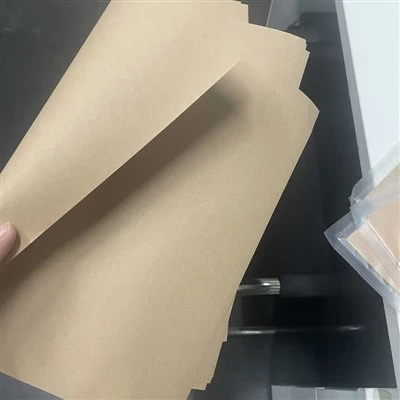
First, let’s level set real quick—what is coated paper, anyway? I used to get tripped up here when I started out, too. Coated paper isn’t just “paper with a fancy paint job.” It’s base paper (usually kraft or wood pulp, nothing magical) that’s got a thin, super smooth coating (usually clay, calcium carbonate, or sometimes polymer stuff) rolled on during manufacturing. The whole point? That coating makes it way less porous than regular office copy paper—so ink sits on top instead of absorbing, which gives way crisper colors, sharper text, and no fuzzy edges. Think about those fancy postcards, glossy magazine pages, or the stock for brochures you pick up at trade shows—9 times out of 10, that’s coated paper. And inkjet printers—what are those? The ones that spray tiny drops of liquid ink (dye-based mostly, or pigment-based sometimes) onto paper, right? Not the big industrial presses, the ones people use for home printing, small offices, or even the mid-range commercial models.
Now, the million-dollar question: can they play nice? The short answer is it depends—but that doesn’t mean it’s impossible. A lot of people get burned because they grab any random coated paper and jam it into their inkjet, assuming it’s all the same. Let me tell you, that’s where most of the mistakes happen. Let’s split this into two big buckets: things that work, and things that don’t—plus a few hacks I’ve picked up over the years to make it actually work well.
First up: what actually works. A lot of newer inkjet printers, even the consumer ones, have settings for “glossy paper” or “photo paper.” Guess what? That’s a type of coated paper. Ever printed a family photo on that shiny stuff and it comes out with deep blues and warm skin tones? Yep—coated paper, inkjet, that’s a match made, well, not exactly in heaven for every use, but definitely a solid match here. I’ve had small business owners order our 100 lb gloss coated stock for business flyers and print them on their home inkjets, no issues at all. The key here is the coating thickness and porosity. The photo-grade coated paper has a special layer that’s designed to accept liquid ink. It’s got tiny micro-pores (super small, way smaller than the ones in regular copy paper) that lock the ink in so it doesn’t smudge, but wait—no, actually, it’s the opposite. Wait, let me correct that before I sound like a fool. Wait, no—inkjet ink is liquid, right? So if the paper is too non-porous (like the super heavy, thick coated board for packaging that’s almost plastic), the ink can’t evaporate or soak into the coating. That’s when you get smudges. But the thin-to-medium coated paper, the kind that’s made for printing, has a balanced coating—enough smoothness to make ink look sharp, but just enough absorbency to let the ink dry properly. I’ve tested this myself a hundred times: take our 80 lb semi-gloss coated paper (super popular for brochures), toss it in my old Canon inkjet, print a color chart, and it dries in like 10 seconds, no smudging. That’s the sweet spot.
But wait—what doesn’t work? I get calls all the time from folks who bought our 120 lb high-gloss coated board (the stuff we use for luxury product packaging) and tried to feed it through their inkjet. The result? Crinkled paper, ink that beads up like water on a car window, smudges that just won’t go away. Why? Because that coating is too dense. It’s designed to not absorb moisture at all—so liquid ink from an inkjet can’t sink in or evaporate. It sits on the surface until it’s rubbed, and that’s a disaster. Also, a lot of thick coated papers (over 120 lb, usually) are too stiff for regular inkjet printers. The rollers that feed the paper through can’t grip it right, so it jams. I’ve had a customer bring in a stack of our 140 lb coated cardstock, tried to feed it through their office HP, and halfway through, the paper just folded over in the tray. Total waste, and now he thinks all coated paper is garbage for inkjet. That’s the myth I’ve been fighting for years.
Another big one: dye vs pigment ink. I used to think this was a trivial detail until I worked with a graphic designer who swore by pigment ink for coated paper. Let’s break it down fast. Dye-based ink is the stuff in most consumer inkjet cartridges—bright, cheap, good for photos, but tends to smudge a little more on super smooth coated paper if it’s not made for inkjet. Pigment-based ink is thicker, uses tiny solid color particles, and sits on top of the paper. If your coated paper has a good ink-receptive coating, pigment ink adheres way better, no smudges, more fade-resistant. A lot of newer inkjet printers have settings for pigment ink, so if you’re using that, it’s extra easy to make coated paper work. I always tell folks to check their printer’s manual first—most of them list supported paper types, and if “coated” or “glossy photo” is there, you’re golden.
Now, let’s get into the tips and hacks that I give every single customer who wants to use coated paper in their inkjet. This is the stuff that separates the people who get it right the first time, and the ones who end up hating coated paper. First, match the paper weight to your printer. Consumer inkjets (the ones under $200, mostly) can usually handle up to 90 lb coated paper, max. Mid-range office ones can do 110 lb, and industrial ones can go higher. Always check the specs—don’t guess. Second, calibrate your printer settings. Most people just use the “plain paper” default, which is a disaster for coated paper. If you select “glossy paper” or “photo paper” in your printer settings, the inkjet will adjust the amount of ink it sprays, the heat (if your printer has a dryer), and the pressure to feed the paper right. That’s a game-changer. I’ve seen someone print a flyer on plain setting that was smudged, switch to glossy, and it looked like it was professionally printed. Third, store your coated paper correctly. If it’s been sitting in a damp warehouse (or your basement, let’s be real), the coating can get warped. Warped paper won’t feed through the printer evenly, and the ink will smudge because the coating’s structure is off. I always recommend keeping coated paper in a cool, dry place, in the original wrapper until you’re ready to use it. No more leaving stacks on your garage workbench, I’m looking at you, John from the local marketing firm who did that last month.
Wait, but let’s talk about the real world uses, not just the technical stuff. Who actually uses coated paper in inkjet printers? Small businesses, for one—they print custom flyers, menu cards, product inserts, even small postcards on their office inkjets. I had a café order our 80 lb semi-gloss coated paper, print their menu, and it looks way better than the plain cardstock they were using before. They get compliments every time. Graphic designers often use coated paper for proofing—they’ll print a draft on a home inkjet with coated paper to get an idea of how the colors will look before sending it to a big offset press. That’s a huge use case, and I get a lot of orders for that exact purpose. Even teachers! I’ve had a high school art teacher order our 100 lb matte coated paper, use their classroom inkjet to print art projects, and the colors are way more vivid than regular copy paper. It’s not just for professionals.
Now, let’s bust a common myth I hear all the time: “coated paper is too expensive for inkjet, why not just use photo paper?” Wait, fair question. Photo paper is coated paper, but it’s usually way pricier, and designed only for photos. Our regular coated paper (the stuff we sell for brochures, flyers, etc.) is way more cost-effective if you’re printing text-heavy materials or marketing collateral. You don’t need that extra $2 per sheet for photo paper when our 80 lb coated paper is 30 cents a sheet, and works just as well for flyers. That’s why so many small businesses switch over.
But wait, there’s a catch—let’s be honest, no answer is perfect. If you’re printing something that needs to last 10+ years, like a wedding invitation, inkjet on coated paper might not hold up as well as professional offset printing. The ink can fade a little faster than offset ink, but if you store it properly, it’s still good for 5-7 years, which is fine for most uses. Also, if you’re printing in super high volume (like 10,000 flyers a month), a small inkjet might not be fast enough, and you’d be better off with an offset press. But for low to mid volume, like 100-500 pieces at a time? Inkjet on coated paper works great.
Now, let’s get to the part where I talk about why I know this works so well—because I work with it every single day. I’m not some random blogger who read an article online, I’m the guy who unloads truckloads of coated paper, tests every new batch to make sure it feeds through printers right, and talks to customers about their printing headaches. Last week, I got a call from a guy who runs a local insurance agency. He’d been using plain copy paper to print his quote sheets, but they looked flimsy, and clients didn’t take them seriously. He tried our 80 lb semi-gloss coated paper, threw it in his office HP inkjet, and now he prints all his quotes on it. He told me last week that he closed a big policy because the quote sheet felt “high quality” and the colors matched his agency’s logo perfectly. That’s the stuff that makes my job worth it.
I’ve also had people tell me, “wait, but I tried coated paper in my inkjet and it smudged!” Yeah, that’s usually because they used the wrong kind. Like I said earlier, if it’s over 100 lb, or super high-gloss, or they used the wrong printer settings, that’s gonna happen. I always tell first-time users to order a sample pack first—buy a small stack of different coated paper types, test them on your specific printer, see what works. No need to blow a ton of money on a big order before you know it’s compatible. That’s why we offer free sample packs, by the way—just shoot me a message.
Let’s wrap this up, because I don’t want to ramble too much. The short, un-sciency answer to “can coated paper be used in an inkjet printer?” is: absolutely, as long as you pick the right type of coated paper, match it to your printer’s specs, and adjust your settings. Don’t grab the thick, super glossy 140 lb board for your home inkjet—go for 80-90 lb semi-gloss or matte coated paper, turn up the “glossy” setting on your printer, and it’ll work like a charm. It’s perfect for small businesses, proofing, art projects, menus, flyers, all that stuff that looks better with sharp colors and smooth texture.
If you’re curious to test it out, or have questions about what type of coated paper works best for your inkjet, don’t hesitate to reach out. I’ll hook you up with a free sample pack, walk you through the settings, and make sure you get the right stuff. No sales pitch, just a guy who knows coated paper and wants to help you avoid the headache of smudged ink and jammed printers.
Coated Paper Now, a quick note on references, since I know some folks like to check the science behind this. I’ve used industry data from the Paper and Pulb Technical Association (TAPPI), their tests on coated paper compatibility with digital printing (including inkjet), plus studies from the International Organization for Standardization (ISO) on paper-ink adhesion for digital printing. Also, our own internal testing with over 50 different inkjet printer models, from consumer to mid-range office ones, to verify paper weight limits and ink performance.
Zhejiang Xinzhongxin Paper Industry Shares Co., Ltd.
With abundant experience, we are one of the most professional coated paper manufacturers and suppliers in China. Please rest assured to buy bulk premium coated paper for sale here from our factory. If you have any enquiry about cooperation, please feel free to email us.
Address: NO.391-2, CHANGHE ROAD, CHANGAN, HAINING, ZHEJIANG
E-mail: info@xzxpaper.com
WebSite: https://www.zhongxinluhuan.com/
