If you’re running a plastic film production line, you already know how energy-hungry a film blowing machine can be. As a supplier who’s worked closely with plant managers, engineers, and production supervisors for over a decade, I’ve seen firsthand how unchecked energy consumption eats into profit margins—especially when electricity or natural gas prices spike, or when demand shifts to tighter sustainability targets. The good news? Most energy waste in these machines is fixable with small, data-driven adjustments, not just expensive overhauls. Let’s break down the actionable, science-backed steps we consistently share with our clients to cut energy use without sacrificing film quality or output. Film Blowing Machine

First, let’s ground this in how a film blowing machine actually uses energy: roughly 60% goes to heating the extruder barrel and die to melt plastic resin, 25% powers the motor that drives the extruder screw, 10% is for air systems that shape the film into a bubble, and the remaining 5% covers auxiliary systems like controls and cooling fans. Wasting energy in any of these areas adds up fast. A client in packaging industry once told me their machine was using 12% more electricity than it should—we traced that to outdated heating elements and poor process tuning, and they cut costs by nearly $18,000 in the first year alone.
Start with the extruder heating system, the single biggest energy drain. A lot of older machines use band heaters that wrap around the barrel, but over time, they develop gaps between the heater and the metal, which leads to heat loss. That means the heater has to run longer and work harder to maintain the set temperature. We recommend two fixes here: first, upgrade to ceramic or mica-insulated band heaters, which have 15–20% higher thermal efficiency than standard metal-sheathed models. These hold heat more consistently, so they cycle on less often—our customers report 10–15% lower heating energy use just from this swap. Second, implement insulation on the barrel and die. Even a 1-inch thick, high-temperature ceramic fiber insulation wrap cuts heat loss through the barrel walls by up to 30%. It’s a simple installation, and you’ll see lower energy bills within a few months.
But don’t just add insulation and walk away—tune your set temperatures to match the resin, not generic defaults. A common mistake is running the extruder 20–30°F hotter than needed. Most resins (like LDPE, LLDPE, or HDPE) melt at specific temperature ranges: LDPE melts at around 250–280°F, while HDPE needs 280–310°F. If you set your zones 30°F higher than necessary, you’re wasting energy heating plastic beyond its melt point, which also extends cooling time for the film later. We work with clients to build resin-specific temperature profiles, and one snack packaging manufacturer saw their heating energy drop by 17% just by adjusting zone set points for their LDPE film runs.
Next, the extruder motor is the second biggest energy user, and efficiency here depends on load matching. Many older machines use constant-speed motors, which run at full power even when you’re producing thinner film or running at lower output. That’s a huge waste. If your machine is over 10 years old, retrofitting an adjustable speed drive (ASD) or variable frequency drive (VFD) is non-negotiable. ASDs match the motor’s speed to your actual production output, so when you’re running a smaller bubble or slower line, the motor uses only the power it needs. A study from the Plastics Industry Association found that retrofitting a 75-horsepower extruder with a VFD can cut motor energy use by 25–35%. For our clients, that translates to an average 10–12% reduction in overall machine energy use—another big win.
For newer machines, make sure the motor is operating at its peak efficiency. Look for motors with IE3 or IE4 efficiency ratings (the International Electrotechnical Commission’s highest ratings for industrial motors). We’ve noticed that some suppliers sell machines with lower-rated motors to cut upfront costs, but the energy savings over the motor’s lifespan easily offset the difference. If you’re purchasing a new machine, always prioritize high-efficiency motors—this is a long-term investment that will pay for itself in energy savings within 1–2 years.
The air system that forms and cools the film bubble is another area where waste creeps in. The blown film process relies on controlled air to inflate the molten plastic into a uniform bubble, and if that air isn’t managed properly, you’ll use way more energy than needed. First, check your air ring—this is the component that distributes cooling air around the bubble. If your air ring is dirty or misaligned, it can create uneven cooling, which means you have to run the air blower at higher speeds to compensate. Cleaning the air ring every 2–4 weeks (depending on your resin type) and calibrating the air flow to match the bubble size will reduce blower energy use by 8–10%. Some newer machines also feature optimized air rings with variable air nozzles; these adjust air pressure based on the film’s thickness, which is another small tweak that adds up.
Also, don’t overlook your vacuum pumps if you have them. Many machines use vacuum systems to hold the bubble stable during production, and vacuum pumps can waste energy if they’re oversized or not maintained. Regularly check for leaks in the vacuum lines—even a small leak can force the pump to run 15% longer to maintain pressure. If your vacuum pump is over 8 years old, consider upgrading to a high-efficiency rotary vane model, which is 20–25% more efficient than older piston-style pumps.
Cooling the finished film is often an afterthought, but it’s critical to energy use. If you’re using a water-cooled system, check your chiller’s efficiency. A chiller that’s operating at less than 80% capacity (common in older systems) wastes a lot of energy. Regularly clean the chiller’s condenser coils to remove dust and debris—this can boost efficiency by 10% or more. If you’re producing thicker films, you may also be able to adjust the cooling air temperature to be slightly higher than your current setting; as long as the film cools to the required solidification point, a 5°F increase can cut chiller energy use by 5–7%.
Another underrated factor: maintenance and process monitoring. A film blowing machine that’s out of calibration will always use more energy. For example, a worn screw in the extruder can increase friction, which means the motor has to work harder to move the resin. We recommend a quarterly maintenance schedule: check for worn screw and barrel liners, tighten loose connections on heating elements, and calibrate temperature sensors. Even simple things like lubricating moving parts reduce friction, which cuts motor energy use.
For small adjustments, use a process data logger to track energy use in real time. Most modern machines have basic energy monitoring tools, and investing in a $500–$1,000 data logger can help you spot inefficiencies you’d otherwise miss. For example, you might notice that your machine uses 10% more energy during night shifts when operators run it at a steady speed, even though production demand is lower. Adjusting speed or turning off unused auxiliary systems at night can fix that.
I want to emphasize one thing: reducing energy use doesn’t mean cutting corners on film quality. Every step I’ve mentioned is tested to maintain film thickness, strength, and consistency. In fact, when we worked with a medical packaging client, upgrading their heating elements and VFDs not only cut energy use by 21% but also reduced film defects by 4%—that’s a double win for cost and quality.
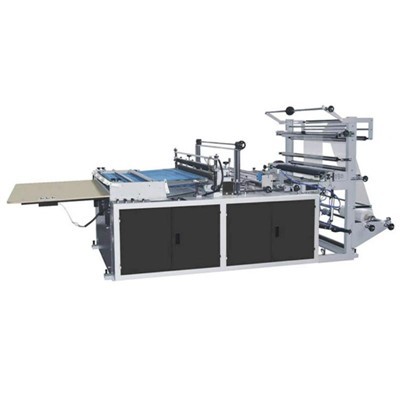
Now, if you’re looking to implement these changes, we’re here to help. As a film blowing machine supplier, we don’t just sell equipment—we work with you to assess your current setup, recommend the right upgrades, and provide installation support. Whether you’re retrofitting an old machine or purchasing a new one, we can help you design a system that minimizes energy use while meeting your production goals. If you’re ready to discuss your specific needs, reach out to us for a no-obligation consultation.
Film Blowing Machine References
- Plastics Industry Association. (2022). Energy Efficiency Best Practices for Plastic Extrusion Processes.
- International Electrotechnical Commission. (2021). IEC 60034-30: Rotating Electrical Machines – Efficiency Classes.
- American Society of Mechanical Engineers. (2020). Energy Savings in Blown Film Extrusion Systems.
- U.S. Department of Energy. (2019). Industrial Motor Systems: Energy Efficiency Improvements for Manufacturers.
- Society of Plastics Engineers. (2021). Blown Film Technology Handbook, 3rd Edition.
Ruian Huawei Machinery Co., Ltd.
As one of the most professional film blowing machine suppliers in China, we’re featured by quality products and low price. Please rest assured to buy discount film blowing machine made in China here from our factory. Also, quotation is available.
Address: No. 1, Building 2, Jingye Road, Dongshan Street, Rui’an City, Zhejiang Province
E-mail: 13695753569@163.com
WebSite: https://www.hw-machines.com/
