As a supplier of fiberglass tape, I’ve encountered numerous inquiries from customers about ensuring a strong and long – lasting bond when using our product. In this blog, I’ll share some professional insights and practical tips based on my experience in the industry. Fiberglass Tape
Understanding the Basics of Fiberglass Tape
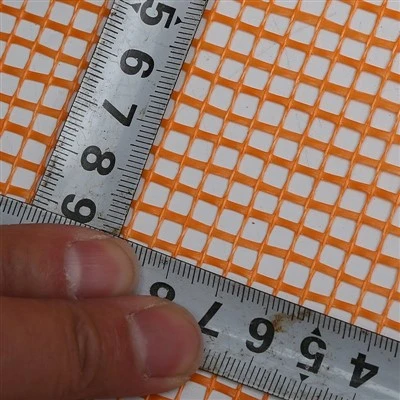
Fiberglass tape is a versatile and widely – used material known for its high strength, heat resistance, and excellent electrical insulation properties. It is commonly made from woven fiberglass yarns and can be coated with various substances such as silicone, acrylic, or rubber to enhance its performance in different applications. These include automotive repairs, electrical insulation, construction, and even in the aerospace industry.
The key to a good bond lies in understanding the nature of both the fiberglass tape and the surface it will be applied to. Fiberglass itself is an inorganic material with a relatively smooth surface. This smoothness can sometimes pose challenges when it comes to adhesion, especially if the surface preparation is not done correctly.
Surface Preparation
One of the most critical steps in ensuring a good bond with fiberglass tape is proper surface preparation.
Cleaning
The surface must be free from dirt, dust, oil, grease, and any other contaminants. Even the slightest trace of these substances can significantly reduce the adhesive strength of the tape. For non – porous surfaces like metal or glass, a simple cleaning with a mild detergent and water, followed by a thorough rinse and drying, may be sufficient. However, for more stubborn grease or oil stains, a specialized degreaser should be used.
When dealing with porous surfaces such as wood or concrete, a more in – depth cleaning process might be required. After using a detergent to clean the surface, it’s advisable to sand it lightly to open up the pores and create a better surface for the tape to adhere to.
Roughening
Roughening the surface can enhance the mechanical interlocking between the tape and the substrate. For hard surfaces like metal, sandpaper with a medium grit, such as 120 – 220, can be used to create a slightly rough texture. When working with plastic surfaces, a finer grit sandpaper may be more appropriate to avoid damaging the material.
It’s important to note that after roughening, the surface should be cleaned again to remove any dust particles generated during the process. A clean, slightly rough surface provides a better foundation for the adhesive on the fiberglass tape to grip onto.
Priming
In some cases, using a primer can significantly improve the bond. Primers are designed to create a chemical bond between the surface and the adhesive on the tape. For example, when applying fiberglass tape to a painted surface, a primer that is compatible with both the paint and the tape’s adhesive can be used. It fills in any microscopic irregularities on the surface and provides a more uniform layer for the tape to adhere to.
Before applying the primer, make sure to read the manufacturer’s instructions carefully. Some primers require a certain drying time, and applying the tape too soon or too late can affect the bond strength.
Choosing the Right Adhesive
Fiberglass tapes can come with different types of adhesives, each suitable for specific applications and surface materials.
Pressure – Sensitive Adhesives (PSAs)
PSAs are the most common type of adhesive used on fiberglass tapes. They form a bond when pressure is applied to the tape, and no additional heat or solvents are required. PSAs are convenient and easy to use, making them suitable for a wide range of applications.
However, the performance of PSAs can vary depending on the surface energy of the substrate and the environmental conditions. For example, low – surface – energy materials like polypropylene or polyethylene can be challenging to bond with standard PSAs. In such cases, a specialized high – performance PSA may be required.
Heat – Activated Adhesives
Heat – activated adhesives require the application of heat to melt and cure the adhesive, creating a strong bond. This type of adhesive is often used in applications where a high – strength bond is needed, such as in the automotive or aerospace industries.
When using heat – activated adhesives, it’s crucial to follow the recommended temperature and time specifications. Over – heating can damage the fiberglass tape or the substrate, while under – heating may result in an incomplete bond. A heat gun or an oven can be used to apply the heat evenly.
Solvent – Based Adhesives
Solvent – based adhesives dissolve in a solvent and form a bond as the solvent evaporates. They can provide a strong bond, especially on porous surfaces. However, they require careful handling due to the flammable and toxic nature of the solvents. Adequate ventilation is necessary during the application process to prevent health risks.
Application Techniques
Proper application techniques are also essential for ensuring a good bond with fiberglass tape.
Alignment
Before applying the tape, make sure it is properly aligned with the surface. Misalignment can cause wrinkles or bubbles to form between the tape and the substrate, which can weaken the bond. Take the time to measure and mark the area where the tape will be applied accurately.
Pressure Application
Applying even pressure across the entire surface of the tape is crucial for a strong bond. For smaller areas, a roller or a flat – edged tool can be used to press the tape firmly onto the surface. Start from the center of the tape and work your way out towards the edges to ensure that any air bubbles are pushed out.
For larger areas, a larger roller or a mechanical press may be required. The pressure should be sufficient to activate the adhesive but not so excessive that it damages the tape or the substrate.
Overlapping
In some applications, overlapping the tape can increase the strength of the bond. When overlapping, make sure to clean the overlapping area thoroughly to remove any contaminants. The overlap should be at least a few millimeters to ensure a continuous and strong bond.
Environmental Considerations
The environment in which the fiberglass tape is applied and used can also have a significant impact on the bond strength.
Temperature
Temperature affects the viscosity and performance of the adhesive. Most adhesives have an optimal temperature range for application and curing. For example, PSAs may become less sticky in cold temperatures, while heat – activated adhesives may require a specific temperature for proper curing.
It’s recommended to apply the tape in a temperature – controlled environment within the manufacturer’s specified range. If the application needs to be done in extreme temperatures, special adhesive formulations may be available.
Humidity
High humidity can also affect the bond strength. Moisture in the air can interfere with the adhesive’s ability to bond to the surface. In high – humidity environments, it’s advisable to wait for a period of low humidity or use a dehumidifier to reduce the moisture level in the application area.
Quality Control
As a fiberglass tape supplier, I understand the importance of quality control. We conduct rigorous testing on our products to ensure that they meet the highest standards. Our tapes are tested for adhesive strength, peel resistance, and shear strength under various conditions.
We also provide detailed technical data sheets with each product, which include information on the tape’s properties, recommended applications, and surface preparation guidelines. This helps our customers make informed decisions and achieve the best results when using our fiberglass tape.
Conclusion
Ensuring a good bond when using fiberglass tape requires a combination of proper surface preparation, choosing the right adhesive, using correct application techniques, and considering environmental factors. By following these guidelines, you can achieve a strong and long – lasting bond that meets your specific application requirements.
Interior Wall Fiberglass Mesh If you’re in the market for high – quality fiberglass tape or have any questions about achieving a good bond, I encourage you to reach out to me. I’m more than happy to assist you with your procurement needs and provide further technical support. I look forward to the opportunity to work with you and discuss how our fiberglass tape can meet your project’s demands.
References
- "Adhesive Bonding Technology: An Introduction" by D. A. Dillard.
- "Fiberglass and Composite Materials Handbook" by C. A. Dostal.
- Technical documents from various fiberglass tape manufacturers.
Danyang Yonggu Building Materials Co., Ltd.
Danyang Yonggu Building Materials Co., Ltd. is one of the most professional fiberglass tape manufacturers and suppliers in China, featured by quality products and good price. Please rest assured to wholesale customized fiberglass tape made in China here from our factory.
Address: Danyang City, Jiangsu Province, P.R. China
E-mail: sales02@cnyongu.com
WebSite: https://www.ygfiberglass.com/
