Hey there! As a supplier in the thickening and dewatering industry, I’ve seen firsthand the pivotal role that chemical additives play in this process. So, let’s dig into what the effect of chemical additives on thickening and dewatering really is. Thickening and Dewatering
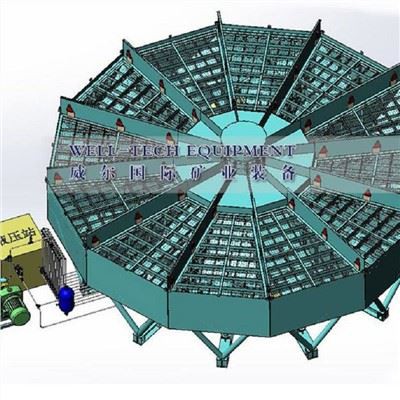
Why Chemical Additives Matter in Thickening and Dewatering
Thickening and dewatering are crucial steps in various industries, like wastewater treatment, mining, and food processing. In basic terms, thickening is all about increasing the solids concentration of a slurry, while dewatering is about removing as much water as possible from the thickened material. That’s where chemical additives come in super handy.
Flocculants: The Big Player
Flocculants are one of the most commonly – used chemical additives. They work by causing the fine particles in a suspension to clump together into larger aggregates, or flocs. This is a game – changer for thickening. When the particles stick together, it becomes much easier for gravity to pull them down through the liquid, speeding up the sedimentation process. For example, in a wastewater treatment plant, if you add a high – molecular – weight anionic flocculant to a sludge, it can quickly form large, dense flocs. These flocs sink faster to the bottom of the thickener, resulting in a clearer supernatant at the top and a more concentrated sludge at the bottom.
The effect on dewatering is also significant. Once the sludge is thickened, dewatering is the next step to reduce the volume of waste. Well – formed flocs created by flocculants have better drainage properties. In a filter press or a centrifuge, larger flocs don’t clog the filter media as easily as individual fine particles, allowing water to pass through more efficiently. This ultimately leads to a drier cake, which means less waste to dispose of and lower disposal costs.
Coagulants: The Starter
Coagulants are another important type of chemical additive. They’re usually used at the beginning of the thickening process. Coagulants work by neutralizing the surface charges of particles in a suspension. Many fine particles in a slurry carry negative charges, which makes them repel each other and stay in suspension. When a coagulant, like aluminum sulfate or ferric chloride, is added, it can neutralize these charges. Once the charges are neutralized, the particles can start to come closer together and form small clusters.
These small clusters are then the perfect starting point for the flocculants to work their magic. In fact, using coagulants and flocculants together can often achieve results better than using either one alone. In a mining operation, for instance, the ore slurry might contain a lot of fine clay particles. Adding a coagulant first can break the stability of these particles, and then a flocculant can be used to form large, settleable flocs, making the thickening and dewatering of the slurry much more efficient.
Impact on Different Industries
Let’s take a look at how chemical additives for thickening and dewatering affect different industries.
Wastewater Treatment
In the wastewater treatment industry, the use of chemical additives is almost non – negotiable. Municipal wastewater contains all sorts of contaminants, from organic matter to heavy metals. Chemical additives help in separating the solids from the liquid. By using the right flocculants and coagulants, treatment plants can achieve high – quality water effluent that can be safely discharged back into the environment. At the same time, the dewatered sludge can be further treated or used as a soil conditioner in some cases. Without these additives, it would be extremely difficult to meet the strict environmental regulations regarding wastewater treatment.
Mining
The mining industry generates a huge amount of tailings, which are the waste materials left after the extraction of valuable minerals. Thickening and dewatering of these tailings are essential for environmental and economic reasons. Chemical additives can significantly reduce the volume of tailings ponds, which are often a source of environmental concern. They also help in recovering water that can be reused in the mining process, saving a large amount of water resources. For example, in a copper mine, using appropriate flocculants can speed up the thickening of the tailings, allowing the mine to recycle more water and reduce the need for fresh water intake.
Food Processing
In the food processing industry, thickening and dewatering are used to improve the texture and shelf – life of products. For example, in the production of fruit juices, chemical additives can be used to clarify the juice by removing suspended solids. In the dairy industry, thickening agents can be added to yogurt or cheese to improve their consistency. These additives are carefully selected to be safe for human consumption and to meet the quality standards of the food industry.
Challenges and Considerations
While chemical additives offer many benefits in thickening and dewatering, there are also some challenges and considerations that we, as suppliers, need to keep in mind.
Dosage
Getting the right dosage of chemical additives is crucial. Using too little might not produce the desired effect, while using too much can be wasteful and might even have a negative impact. For example, over – dosing flocculants can lead to the formation of very large, but weak flocs that can break apart easily during the dewatering process. This can result in poor drainage and a higher moisture content in the final cake.
Compatibility
The compatibility of different chemical additives is also important. Sometimes, using two or more additives together might cause them to react negatively with each other, reducing their effectiveness. We need to carefully test and select the right combination of additives based on the specific characteristics of the slurry or sludge we’re dealing with.
Environmental Impact
Although many chemical additives used in thickening and dewatering are considered safe, there’s still a concern about their long – term environmental impact. Some additives might contain heavy metals or other substances that can accumulate in the environment. As a responsible supplier, we’re always looking for more environmentally – friendly alternatives, like natural or biodegradable additives.
Quality Control and Customization
As a thickening and dewatering supplier, we focus a lot on quality control. We make sure that our chemical additives are of the highest quality and meet all the relevant industry standards. We also offer customization services. Every client’s needs are different, whether it’s the type of slurry they’re dealing with in a mine or the specific requirements of a wastewater treatment plant.
We have a team of experts who can conduct on – site tests to determine the most suitable chemical additives and their optimal dosages. We’ll analyze the characteristics of the material, like its particle size distribution, pH, and solids content, and then come up with a tailored solution. This not only helps our clients achieve better thickening and dewatering results but also saves them costs in the long run.
Conclusion

To sum it up, chemical additives have a profound effect on thickening and dewatering. They can improve the efficiency of the process, reduce costs, and help industries meet environmental regulations. However, we need to be careful about dosage, compatibility, and environmental impact.
Agitator If you’re in an industry that requires thickening and dewatering services and you’re looking for high – quality chemical additives, don’t hesitate to reach out. We’re here to offer customized solutions that fit your specific needs. Let’s work together to achieve better thickening and dewatering results for your business!
References
- "Wastewater Engineering: Treatment and Reuse" by Metcalf & Eddy
- "Mining and Mineral Processing Wastes: Environmental Issues and Management"
- "Food Additives: Principles and Applications" by Gary Reineccius
Jiangxi Well-tech International Mining Equipment Co., Ltd.
Jiangxi Well-tech International Mining Equipment Co., Ltd. is one of the most professional thickening and dewatering manufacturers and suppliers in China, featured by quality products and good service. Please rest assured to wholesale customized thickening and dewatering at competitive price from our factory.
Address: Guzhang Industrial Park of Shicheng County, Ganzhou City, Jiangxi Province, China
E-mail: mily@benefication.com
WebSite: https://www.cn-welltech.com/
