Calibration is a critical aspect of maintaining the accuracy and reliability of DIN Rail Energy Meters, which are widely used in various industrial, commercial, and residential applications for measuring electrical energy consumption. As a supplier of DIN Rail Energy Meters, I often encounter questions from customers regarding the optimal calibration frequency. In this blog post, I will delve into the factors that determine how often a DIN Rail Energy Meter should be calibrated and provide some practical guidelines to help you make an informed decision. DIN Rail Energy Meter

Understanding the Importance of Calibration
Before discussing the calibration frequency, it’s essential to understand why calibration is necessary. A DIN Rail Energy Meter measures electrical energy by converting electrical signals into digital data, which is then used to calculate the energy consumption. Over time, various factors can affect the accuracy of these measurements, including:
- Component Aging: The internal components of the energy meter, such as sensors, resistors, and capacitors, can degrade over time due to normal wear and tear, temperature variations, and electrical stress. This can lead to drift in the meter’s accuracy.
- Environmental Factors: Harsh environmental conditions, such as high humidity, extreme temperatures, vibration, and electrical interference, can also impact the performance of the energy meter and cause inaccuracies in the measurements.
- Electrical Load Variations: Fluctuations in the electrical load, such as sudden changes in voltage, current, or frequency, can affect the meter’s response and accuracy.
Calibration is the process of comparing the measurements of a DIN Rail Energy Meter against a known standard and adjusting it if necessary to ensure that it meets the specified accuracy requirements. By calibrating the energy meter regularly, you can maintain its accuracy, improve the reliability of your energy consumption data, and ensure compliance with relevant industry standards and regulations.
Factors Affecting Calibration Frequency
The calibration frequency of a DIN Rail Energy Meter depends on several factors, including:
1. Application and Industry Requirements
The calibration frequency may vary depending on the specific application and industry requirements. In some industries, such as electricity generation, transmission, and distribution, high accuracy is crucial for billing purposes and regulatory compliance. In these cases, energy meters may need to be calibrated more frequently, typically once a year or even more often.
On the other hand, in less critical applications, such as small commercial buildings or residential settings, the calibration frequency may be less stringent. For example, energy meters in residential buildings may only need to be calibrated every 2-3 years.
2. Meter Accuracy Class
The accuracy class of the DIN Rail Energy Meter is another important factor to consider. Energy meters are classified according to their accuracy level, with Class 0.2 being the most accurate and Class 2 being the least accurate. Generally, meters with higher accuracy classes require more frequent calibration to maintain their accuracy.
For example, a Class 0.2 energy meter may need to be calibrated annually, while a Class 1 or Class 2 meter may be calibrated every 2-3 years.
3. Operating Conditions
The operating conditions of the energy meter, such as temperature, humidity, vibration, and electrical interference, can also affect its performance and calibration frequency. Meters operating in harsh environments are more likely to experience component degradation and accuracy drift, and therefore may need more frequent calibration.
For example, energy meters installed in outdoor substations or industrial facilities with high levels of electrical noise and vibration may need to be calibrated more often than those installed in indoor environments with stable conditions.
4. Usage Patterns
The usage patterns of the energy meter can also influence the calibration frequency. Meters that are subjected to high loads, frequent start-stop cycles, or rapidly changing electrical conditions are more likely to experience wear and tear and may require more frequent calibration.
For example, energy meters used in factories with heavy machinery or in data centers with high-power servers may need to be calibrated more often than those used in offices or residential buildings with relatively stable loads.
Practical Calibration Frequency Guidelines
Based on the factors mentioned above, here are some practical guidelines for determining the calibration frequency of a DIN Rail Energy Meter:
1. High-Accuracy Applications
- Class 0.2 and 0.5 Meters: These meters are typically used in high-accuracy applications, such as electricity billing and grid monitoring. They should be calibrated annually or as recommended by the meter manufacturer.
- Class 1 Meters: Class 1 meters are commonly used in commercial and industrial applications where a high level of accuracy is required. They should be calibrated every 1-2 years.
2. Medium-Accuracy Applications
- Class 1 and 2 Meters: These meters are suitable for medium-accuracy applications, such as general energy monitoring in commercial buildings and small industrial facilities. They can be calibrated every 2-3 years.
3. Low-Accuracy Applications
- Class 2 Meters: Class 2 meters are often used in residential applications and less critical commercial settings. They may only need to be calibrated every 3-5 years.
It’s important to note that these are general guidelines, and the actual calibration frequency may need to be adjusted based on the specific circumstances of your application. For example, if you notice any signs of inaccurate measurements, such as sudden changes in energy consumption or abnormal meter readings, you should have the meter calibrated immediately.
Benefits of Regular Calibration
Regular calibration of DIN Rail Energy Meters offers several benefits, including:
1. Improved Accuracy
By calibrating the energy meter regularly, you can ensure that it provides accurate measurements of electrical energy consumption. This is essential for billing purposes, energy management, and compliance with regulations.
2. Enhanced Reliability
Calibration helps to identify and correct any potential issues with the energy meter before they cause significant problems. This can improve the reliability of the meter and reduce the risk of downtime and costly repairs.
3. Cost Savings
Accurate energy measurements can help you identify energy-saving opportunities and optimize your energy consumption. By reducing energy waste, you can save on energy costs and improve your bottom line.
4. Regulatory Compliance
Many industries and applications are subject to regulations regarding energy measurement accuracy. By calibrating your energy meters regularly, you can ensure compliance with these regulations and avoid potential fines and penalties.
Contact Us for Professional Calibration Services
As a leading supplier of DIN Rail Energy Meters, we understand the importance of calibration in maintaining the accuracy and reliability of your energy measurement equipment. We offer professional calibration services for all our energy meters, using state-of-the-art calibration equipment and following strict industry standards and procedures.
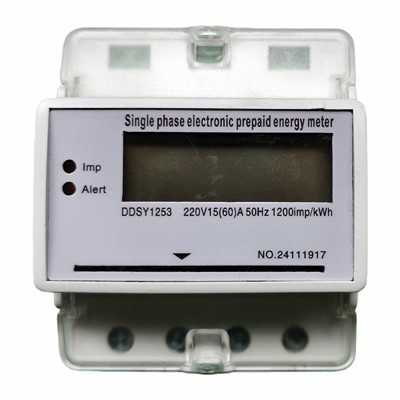
Our team of experienced technicians can calibrate your energy meters on-site or in our calibration laboratory, depending on your needs and preferences. We also provide detailed calibration reports and certificates to document the calibration process and ensure traceability.
Multi Function Meter If you have any questions about calibration frequency or would like to schedule a calibration service for your DIN Rail Energy Meters, please contact us today. Our knowledgeable sales team will be happy to assist you and provide you with a customized solution that meets your specific requirements.
References
- International Electrotechnical Commission (IEC). (2021). IEC 62053-21: Electricity metering equipment – Part 21: Special requirements – Static meters for active energy (Class 1 and 2).
- International Electrotechnical Commission (IEC). (2021). IEC 62053-22: Electricity metering equipment – Part 22: Special requirements – Static meters for active energy (Class 0.2S and 0.5S).
- American National Standards Institute (ANSI). (2012). ANSI C12.20: American National Standard for Electricity Metering – Accuracy Requirements for Static Meters.
Zhejiang Qunte New Energy Technology Co., Ltd.
As one of the most professional din rail energy meter manufacturers in China, we’re featured by quality products and good price. Please rest assured to buy discount din rail energy meter made in China here from our factory. We also accept customized orders.
Address: No. 56, Fengxi Road, Tang’ao Yu Village, Liushi Town, Yueqing City, Wenzhou City, Zhejiang Province
E-mail: 251951196@qq.com
WebSite: https://www.zjqtmeter.com/
