Hey there! I’m a supplier in the piston game, and I know how crucial piston rings are for an engine’s performance. Today, I’m gonna walk you through the process of installing piston rings. Whether you’re a DIY enthusiast or a professional mechanic, this guide will come in handy. Piston

Why Piston Rings Matter
Before we dive into the installation process, let’s quickly talk about why piston rings are so important. Piston rings are small but mighty components that play a key role in your engine. They seal the combustion chamber, prevent oil from leaking into the combustion area, and transfer heat from the piston to the cylinder wall. Without properly installed piston rings, your engine could lose power, burn oil, and have all sorts of other issues.
Tools You’ll Need
To install piston rings, you’ll need a few essential tools. I always recommend having the right gear to make the job easier and more accurate. Here’s what you’ll need:
- Piston ring expander: This tool helps you open the rings without damaging them.
- Piston ring compressor: It compresses the rings so you can slide the piston into the cylinder.
- Feeler gauge: You’ll use this to check the ring end gap.
- Torque wrench: To tighten the piston pin clips or bolts to the correct specifications.
- Clean rags: To keep everything clean and free of debris.
- Engine oil: To lubricate the rings and cylinder walls.
Step 1: Prepare Your Workspace
First things first, you gotta set up a clean workspace. A dirty environment can introduce contaminants that could damage your engine. So, find a clean, well – lit area where you can work comfortably. Lay out all your tools and the new piston rings. Make sure you have enough space to move around and handle the parts.
Step 2: Inspect the New Piston Rings
Take a good look at the new piston rings. Check for any signs of damage, like cracks or chips. Also, make sure the rings are the right size for your pistons and cylinders. Each ring is designed for a specific purpose, and they usually come in sets. There are usually three rings per piston: the top compression ring, the second compression ring, and the oil control ring.
Step 3: Check the Ring End Gap
The ring end gap is super important. It allows the rings to expand as they heat up during engine operation. Use a feeler gauge to measure the end gap of each ring. Place the ring in the cylinder bore (without the piston) at the bottom of the bore where it’s less worn. The manufacturer will specify the correct end gap for your rings. If the gap is too small, the rings could seize as they expand. If it’s too big, the engine will lose compression.
Step 4: Install the Rings on the Piston
Now it’s time to put the rings on the piston. Start with the oil control ring. This ring usually has multiple parts, like a spacer and two rails. Use the piston ring expander to carefully open the ring and slide it onto the piston in the correct groove. Make sure the ends of the ring are properly aligned.
Next, install the second compression ring. It’s important to install the rings in the correct order and orientation. There’s usually a mark on the top of the ring that indicates which side should face up. Use the expander again to place the ring in the appropriate groove.
Finally, install the top compression ring. This ring has to seal the high – pressure combustion gases, so it’s crucial to get it right. Once again, use the expander and make sure the ring is seated properly in the groove.
Step 5: Lubricate the Rings and Cylinder Walls
Before you insert the piston into the cylinder, you need to lubricate the rings and the cylinder walls. Use clean engine oil and apply a thin, even coat. This will help the rings slide into place easily and prevent damage during the initial start – up.
Step 6: Compress the Rings and Insert the Piston
Use the piston ring compressor to compress the rings on the piston. Make sure the compressor is properly adjusted so that the rings are evenly compressed. Then, carefully align the piston with the cylinder bore and gently push it in. You can use a wooden or plastic mallet to tap the piston in if needed, but be careful not to damage the rings or the cylinder wall.
Step 7: Check the Piston Clearance
Once the piston is in the cylinder, check the piston clearance. This is the space between the piston and the cylinder wall. It’s important to make sure the clearance is within the manufacturer’s specifications. You can use a feeler gauge or a micrometer to measure the clearance at different points around the piston.
Step 8: Install the Piston Pin and Clip
If your piston uses a piston pin, you’ll need to install it next. Lubricate the piston pin and insert it through the piston and the connecting rod. Then, install the piston pin clip to secure the pin in place. Use a torque wrench to tighten the clip or bolts to the correct torque value.
Step 9: Repeat the Process for All Pistons
Now that you’ve installed the rings on one piston and inserted it into the cylinder, repeat the process for all the remaining pistons. Make sure you take your time and follow each step carefully for each piston.
Step 10: Final Checks
Once all the pistons are installed, do a final check. Make sure all the rings are properly seated, the piston pins are secure, and there are no signs of damage or misalignment. Double – check the torque values on all the bolts and clips.
Conclusion
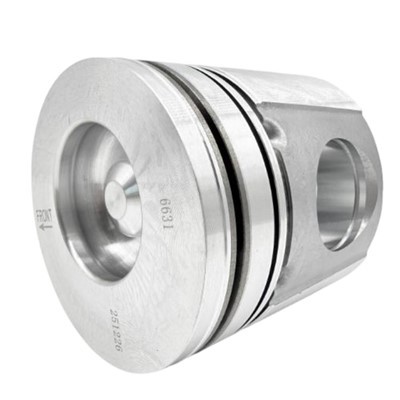
Well, there you have it! That’s how you install piston rings. It might seem like a daunting task, but with the right tools and a little patience, you can do it. And if you ever need high – quality pistons and piston rings, I’m your guy. I’ve been in the piston supply business for a long time, and I know what it takes to provide top – notch products.
Caterpillar Piston If you’re interested in sourcing pistons or have any questions about the installation process, just reach out. I’m always happy to help and have a chat about your needs. Whether you’re a small repair shop or a large manufacturing plant, I can offer you the right products at the right price.
References
- "Automotive Engine Repair Manual" by an experienced automotive mechanic
- Manufacturer’s specifications for piston and piston ring installation.
Hebei Yuwei Piston Co., Ltd.
As one of the most professional piston manufacturers and suppliers in China, we’re featured by quality products and good service. Please rest assured to buy customized piston made in China here from our factory. Also, quotation is available.
Address: Beizhujiacun Village, Sujiuzhuang Town, Ningjin County, Xingtai City, Hebei Province
E-mail: jack@ywpiston.com
WebSite: https://www.ywpiston.com/
