Membrane cassettes are a critical component in many filtration and separation processes across various industries, from biotechnology to water treatment. As a supplier of membrane cassettes, I often encounter customers who wonder about the ease of replacing these cassettes. In this blog, I’ll delve into the factors that influence the replacement process and share insights based on my experience in the industry. Membrane Cassettes
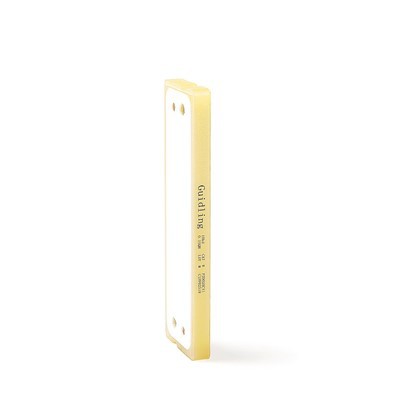
Understanding Membrane Cassettes
Before discussing the replacement process, it’s essential to understand what membrane cassettes are. Membrane cassettes are pre – assembled units that contain a semi – permeable membrane. These membranes are designed to separate different substances based on their size, charge, or other physical properties. They are commonly used in applications such as ultrafiltration, microfiltration, and reverse osmosis.
The construction of membrane cassettes typically involves a frame that holds the membrane in place, along with ports for the inlet and outlet of the fluid being processed. The design can vary depending on the specific application and the manufacturer. Some cassettes are designed for single – use, while others are reusable and can be cleaned and sterilized for multiple cycles.
Factors Affecting the Ease of Replacement
Design and Compatibility
One of the primary factors that determine how easy it is to replace a membrane cassette is its design. Modern membrane cassettes are often designed with user – friendly features. For example, many cassettes have standardized connections, which means they can be easily connected to existing filtration systems. This standardization reduces the need for complex modifications to the system during replacement.
Compatibility with the existing equipment is also crucial. A well – designed cassette should fit seamlessly into the filtration system, both in terms of physical dimensions and the fluid flow requirements. If a cassette is not compatible, it can lead to leaks, reduced performance, and difficulties during the replacement process.
Installation and Removal Procedures
The installation and removal procedures of membrane cassettes can vary significantly. Some cassettes are designed for quick and easy replacement, with simple locking mechanisms that allow for rapid installation and removal. For instance, some cassettes use a snap – fit or a bayonet – style connection, which can be easily engaged and disengaged without the need for special tools.
On the other hand, some cassettes may require more complex installation procedures. This could involve the use of gaskets, seals, and precise alignment to ensure a proper fit. In such cases, it may be necessary to follow detailed instructions provided by the manufacturer, and the replacement process may take longer.
Training and Technical Support
The level of training and technical support available to the end – user also plays a role in the ease of cassette replacement. If the end – user has received proper training on how to replace the cassettes, they are more likely to find the process straightforward. As a supplier, we offer comprehensive training materials and on – site support to our customers. This includes step – by – step guides, video tutorials, and the availability of technical experts who can answer any questions that may arise during the replacement process.
Advantages of Easy – to – Replace Membrane Cassettes
Reduced Downtime
In industrial settings, downtime can be extremely costly. Easy – to – replace membrane cassettes can significantly reduce the time required to replace a cassette, minimizing the disruption to the production process. This is especially important in applications where continuous operation is critical, such as in pharmaceutical manufacturing or food and beverage production.
Cost – Effectiveness
When membrane cassettes are easy to replace, it can also lead to cost savings. Faster replacement times mean less labor is required, and there is less risk of damage to the cassette or the filtration system during the replacement process. Additionally, if the cassettes are designed for easy replacement, it may be possible to extend their lifespan through proper maintenance and replacement, reducing the overall cost of filtration.
Flexibility
Easy – to – replace cassettes provide greater flexibility in the filtration process. They allow for quick changes in the filtration parameters, such as the type of membrane or the flow rate. This can be particularly useful in research and development settings, where the requirements may change frequently.
Challenges in Replacing Membrane Cassettes
Contamination Risks
One of the challenges in replacing membrane cassettes is the risk of contamination. During the replacement process, there is a possibility of introducing contaminants into the system, which can affect the quality of the filtered product. To mitigate this risk, it is important to follow strict aseptic techniques and use proper cleaning and sterilization procedures.
Disposal of Used Cassettes
Another challenge is the proper disposal of used membrane cassettes. Depending on the type of membrane and the substances it has been in contact with, the cassettes may need to be disposed of in a specific way to comply with environmental regulations. This can add an additional layer of complexity to the replacement process.
Tips for Easy Cassette Replacement
Follow the Manufacturer’s Instructions
The first and most important tip is to follow the manufacturer’s instructions carefully. These instructions are designed to ensure a safe and effective replacement process. They will provide detailed information on how to install and remove the cassette, as well as any specific requirements for cleaning and maintenance.
Keep Spare Parts on Hand
It is a good idea to keep spare membrane cassettes and other necessary parts on hand. This can help to minimize downtime in case of a cassette failure. Additionally, having spare parts readily available can make the replacement process quicker and more efficient.
Regular Maintenance
Regular maintenance of the filtration system can also make cassette replacement easier. This includes cleaning the system, checking for leaks, and ensuring that all components are in good working condition. By keeping the system well – maintained, the risk of problems during cassette replacement is reduced.
Conclusion
In conclusion, membrane cassettes can be relatively easy to replace, especially when they are designed with user – friendly features and when the end – user has access to proper training and technical support. The ease of replacement is influenced by factors such as design, compatibility, installation procedures, and the level of training available.
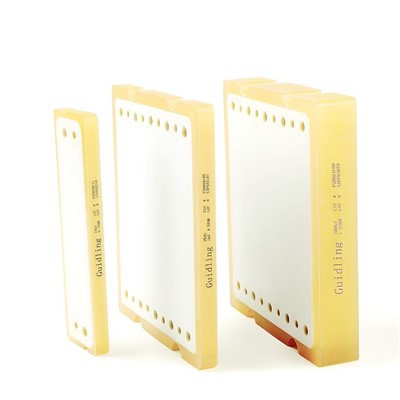
Easy – to – replace membrane cassettes offer several advantages, including reduced downtime, cost – effectiveness, and flexibility. However, there are also challenges, such as contamination risks and proper disposal of used cassettes. By following the manufacturer’s instructions, keeping spare parts on hand, and performing regular maintenance, the replacement process can be made smoother and more efficient.
Centrifugal UF Device / Tube If you are in the market for membrane cassettes and want to learn more about our products and how easy they are to replace, we invite you to contact us for a procurement discussion. Our team of experts is ready to assist you in finding the right membrane cassettes for your specific needs.
References
- "Filtration and Separation Handbook" by Christopher D. Metcalf and Larry K. Eddy
- Technical documents provided by membrane cassette manufacturers
Hangzhou Guidling Technology Co., Ltd.
As one of the leading membrane cassettes manufacturers and suppliers in China, we also support customized service. We warmly welcome you to wholesale high quality membrane cassettes in stock here from our factory. For quotation, contact us now.
Address: No.795, 18th Street, Qiantang New District, Hangzhou City, Zhejiang Province, China
E-mail: export1@guidling.net
WebSite: https://www.guidlingfiltration.com/
