ASME (American Society of Mechanical Engineers) flanges are crucial components in piping systems, adhering to strict standards for manufacturing and performance. Among the various types of ASME flanges, slip – on and weld – neck flanges stand out as two commonly used variants. As an ASME flange supplier, I’ve encountered numerous inquiries regarding the differences between these two types. In this blog, I’ll delve into the key disparities between slip – on and weld – neck ASME flanges to help you make an informed decision for your piping projects. ASME Flange

Design and Construction
The most immediate difference between slip – on and weld – neck ASME flanges lies in their design and construction.
Slip – on flanges are designed with a bore that is slightly larger than the outer diameter of the pipe they are intended to fit. This allows the flange to "slip on" over the end of the pipe. Once in place, the flange is then welded to the pipe on both the inside and outside. The inside weld provides a secure connection, while the outside weld helps to strengthen the joint. This type of flange is relatively easy to install, especially in tight spaces, as it requires less alignment compared to other flange types.
On the other hand, weld – neck flanges have a long, tapered hub that is welded to the pipe. The hub provides additional reinforcement and stress distribution, making the weld – neck flange suitable for high – pressure and high – temperature applications. The welding process for weld – neck flanges is more complex than that of slip – on flanges. A full penetration weld is required between the hub of the flange and the pipe, which demands a higher level of welding skill and precision.
Strength and Durability
When it comes to strength and durability, weld – neck flanges have a clear advantage over slip – on flanges.
The long, tapered hub of the weld – neck flange acts as a reinforcement, distributing stress more evenly along the pipe. This design feature makes weld – neck flanges better able to withstand high pressures, vibrations, and thermal expansion. In applications where the piping system is subjected to extreme conditions, such as in oil and gas refineries, chemical plants, and power generation facilities, weld – neck flanges are often the preferred choice.
Slip – on flanges, while still strong and reliable, are not as well – suited for high – stress applications. The welding method used in slip – on flanges creates a joint that is more susceptible to stress concentration at the weld points. As a result, slip – on flanges are typically used in low – to medium – pressure applications, such as in water supply systems, HVAC systems, and some industrial processes where the pressure and temperature requirements are not extremely high.
Cost
Cost is an important factor to consider when choosing between slip – on and weld – neck ASME flanges.
Slip – on flanges are generally less expensive than weld – neck flanges. The simpler design and easier installation process of slip – on flanges result in lower manufacturing and labor costs. Additionally, the materials used in slip – on flanges may be less costly, as they do not require the same level of reinforcement as weld – neck flanges. For projects with budget constraints or where the pressure and temperature requirements are relatively low, slip – on flanges can be a cost – effective solution.
Weld – neck flanges, due to their more complex design and higher manufacturing requirements, are more expensive. The additional material used in the hub, as well as the need for a higher level of welding skill, contribute to the increased cost. However, in applications where safety and reliability are of utmost importance, the higher cost of weld – neck flanges may be justified by their superior performance.
Alignment and Installation
Alignment and installation are also significant differences between the two types of flanges.
Slip – on flanges are easier to align and install. Since the flange can be slipped over the pipe, there is less need for precise alignment during the installation process. This makes slip – on flanges a popular choice for projects where quick installation is required or where access to the installation area is limited. The welding process for slip – on flanges is also relatively straightforward, which can further reduce installation time.
Weld – neck flanges, on the other hand, require more precise alignment. The long, tapered hub must be carefully aligned with the pipe to ensure a proper weld. This can be a time – consuming process, especially in large – scale piping systems. Additionally, the welding process for weld – neck flanges is more complex and requires a higher level of skill. As a result, the installation of weld – neck flanges may take longer and require more experienced welders.
Applications
The differences in design, strength, cost, and installation also lead to different applications for slip – on and weld – neck ASME flanges.
Slip – on flanges are commonly used in applications where the pressure and temperature are relatively low, and where quick and easy installation is required. Some common applications include water treatment plants, building plumbing systems, and light industrial applications. Slip – on flanges are also suitable for applications where the piping system may need to be disassembled and reassembled frequently, as they are easier to remove and install compared to other flange types.
Weld – neck flanges are typically used in high – pressure and high – temperature applications where safety and reliability are critical. They are commonly found in industries such as oil and gas, chemical processing, and power generation. In these industries, the piping systems are often subjected to extreme conditions, and the use of weld – neck flanges helps to ensure the integrity of the system and prevent leaks and failures.
Conclusion
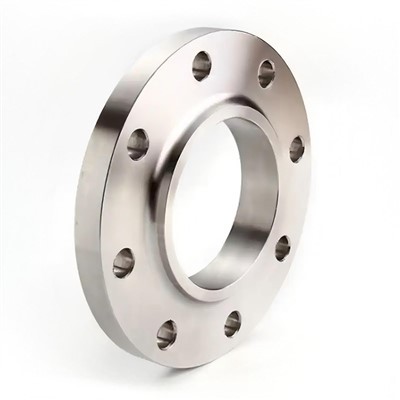
In conclusion, slip – on and weld – neck ASME flanges have distinct differences in design, strength, cost, installation, and applications. Slip – on flanges are characterized by their simple design, easy installation, and lower cost, making them suitable for low – to medium – pressure applications. Weld – neck flanges, on the other hand, offer superior strength and durability, but at a higher cost and with more complex installation requirements, making them ideal for high – pressure and high – temperature applications.
EN Flanges As an ASME flange supplier, I understand the importance of choosing the right flange for your specific application. Whether you need slip – on flanges for a small – scale project or weld – neck flanges for a large – scale industrial application, I can provide you with high – quality products that meet your requirements. If you have any questions or are interested in purchasing ASME flanges, please feel free to contact me. I’ll be happy to assist you in selecting the most appropriate flange for your project and provide you with a competitive quote.
References
- ASME B16.5 Standard for Pipe Flanges and Flanged Fittings
- "Piping Handbook" by Cary L. Visintainer
Hebei Haihao Group Huadian High Pressure Pipe Fittings Co., Ltd.
As one of the most professional asme flange manufacturers and suppliers in China, we are able to meet the needs of the majority of our customers. Please rest assured to wholesale high quality asme flange made in China here from our factory. For price consultation, contact us.
Address: Donglin Industrial Zone, Mengcun County, Cangzhou City, Hebei Province, China
E-mail: haihaohuadian@outlook.com
WebSite: https://www.hhfittings.com/
