Hey there! I’m a supplier of polyester nylon fabric, and I often get asked this question: Can polyester nylon fabric be dyed easily? Well, let’s dive right into it. Polyster Nylon Fabric
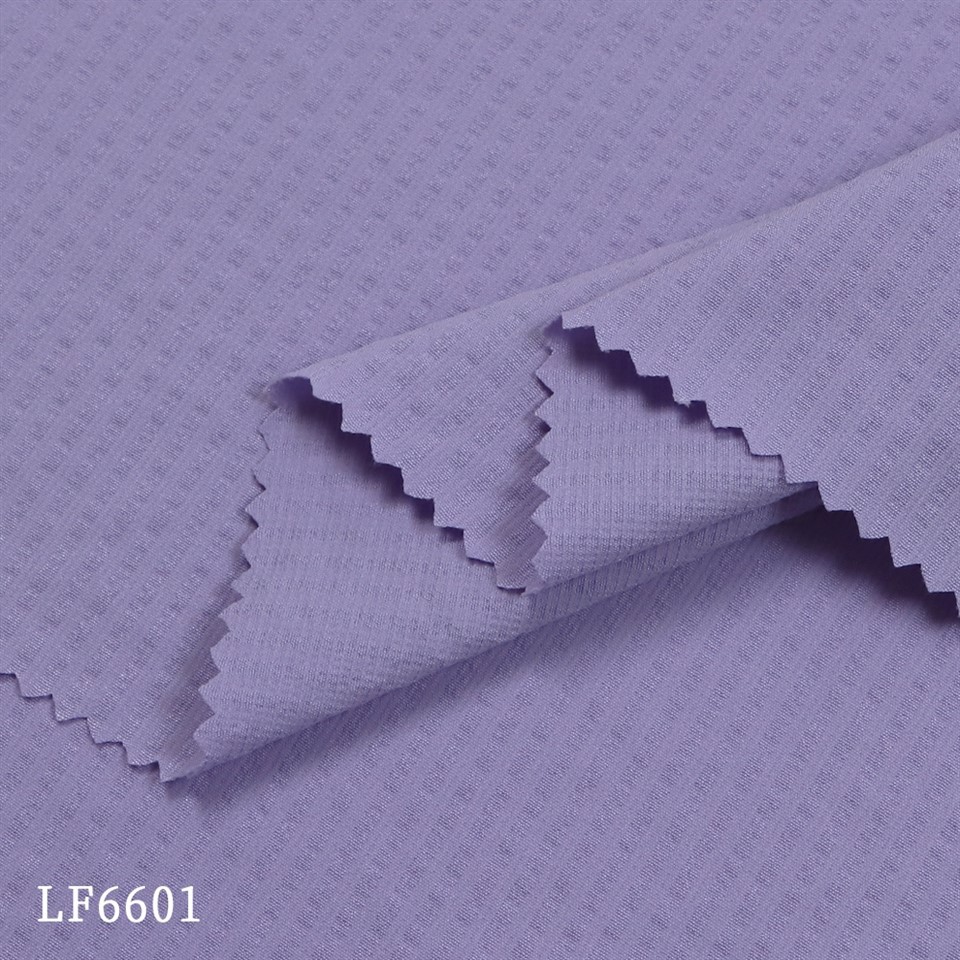
First off, let’s understand what polyester nylon fabric is. Polyester is a synthetic fiber known for its durability, wrinkle – resistance, and quick – drying properties. Nylon, on the other hand, is also a synthetic polymer that’s strong, elastic, and has good abrasion resistance. When these two are combined, we get a fabric that combines the best of both worlds.
Now, the ease of dyeing polyester nylon fabric depends on a few factors. One of the main things is the chemical structure of the fibers. Polyester has a very tight and crystalline structure. This makes it a bit tricky to dye because dyes have a hard time penetrating those tightly packed molecules. Nylon, however, has a more open structure, which allows dyes to enter more easily.
When it comes to dyeing methods, there are a few options. One common method is using disperse dyes for polyester and acid dyes for nylon. Disperse dyes work well for polyester because they are designed to be able to penetrate the tight structure of the polyester fibers. These dyes are usually applied at high temperatures, often around 130°C (266°F) in a process called high – temperature dyeing. This high temperature helps the dyes to diffuse into the polyester fibers.
For nylon, acid dyes are the go – to. Acid dyes bond well with the nylon fibers because nylon has amine groups on its surface that can react with the acid dyes. The dyeing process for nylon is usually done at a lower temperature compared to polyester, around 95°C (203°F).
If you’re dyeing a blend of polyester and nylon, it can be a bit of a challenge. You need to find a way to dye both fibers effectively. One approach is to use a combination of disperse and acid dyes. But this requires careful control of the dyeing conditions, like temperature, pH level, and dye concentration.
Let me share a little bit from my experience. I’ve had customers who wanted a specific color for their polyester nylon fabric. We had to do some trial and error to get the right shade. Sometimes, the first attempt didn’t turn out as expected. Maybe the polyester part didn’t take the color as well as the nylon, or the overall color was too light or too dark.
One thing to keep in mind is that pre – treatment of the fabric can make a big difference. If the fabric has any finishes or contaminants on it, it can prevent the dyes from adhering properly. So, it’s important to clean and prepare the fabric before dyeing. We usually recommend a simple washing process with a mild detergent to remove any dirt or oils.
Another factor that affects the ease of dyeing is the type of dye you use. There are different qualities of dyes available in the market. High – quality dyes are more likely to give you a consistent and long – lasting color. Cheaper dyes might not penetrate the fibers as well, resulting in a less vibrant or uneven color.
I’ve also noticed that the fabric’s weight and thickness can play a role. Thicker fabrics might take longer to dye evenly, as the dyes need more time to reach the inner layers of the fabric. Lighter and thinner fabrics, on the other hand, can be dyed more quickly.
Now, let’s talk about the pros and cons of dyeing polyester nylon fabric. On the plus side, once you get the dyeing process right, you can achieve a wide range of colors. Polyester nylon fabric holds color well, so the dyed fabric is likely to stay vibrant for a long time. It’s also great for creating custom – colored fabrics for various applications, like sportswear, outdoor gear, and fashion items.
However, there are some downsides. As I mentioned earlier, the dyeing process can be complex, especially for blends. It requires some technical knowledge and the right equipment. And if you make a mistake, it can be difficult to correct the color. Also, the high – temperature dyeing process for polyester can be energy – intensive and might not be the most environmentally friendly option.
If you’re thinking about dyeing polyester nylon fabric, I’d recommend starting with a small sample. This way, you can test the dyeing process and see how the fabric reacts. You can experiment with different dyes, temperatures, and dyeing times to find the best combination for your needs.
In conclusion, while polyester nylon fabric can be dyed, it’s not always an easy task. It depends on several factors, including the fabric’s composition, the dyeing method, and the quality of the dyes. But with a bit of patience and experimentation, you can achieve great results.
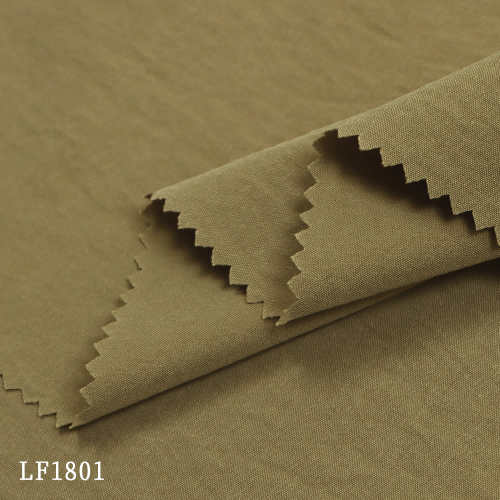
If you’re in the market for polyester nylon fabric and have questions about dyeing or want to discuss a custom color project, don’t hesitate to reach out. I’m here to help you get the perfect fabric for your needs. Whether you’re a small business looking for unique fabric for your products or a large manufacturer in need of bulk orders, I can work with you to find the best solution.
2 2 Twill Weave References:
- Textile Chemistry textbooks
- Industry reports on synthetic fiber dyeing
Shaoxing Huichao Textile Co., Ltd.
As one of the most professional polyster nylon fabric manufacturers and suppliers in China, we offer a wide range of products with superior quality. We warmly welcome you to wholesale bulk polyster nylon fabric in stock here from our factory. If you have any enquiry about cooperation, please feel free to email us.
Address: Shenyue International Build ing, Unit 1603-1605, Keqiao District, Shaoxing City, Zhejiang Province, China
E-mail: darrenzhong@huichaotextile.com
WebSite: https://www.huichaotextile.com/
