If you’ve ever stood on a construction site, a mining worksite, or a farm during harvest season, and watched as loose gravel, coal, soil, or grain gets loaded onto a truck and hauled away in one quick dump, chances are you were looking at a steel dump semi-trailer. For 15 years, I’ve been supplying heavy-duty semi-trailers to operations just like those, and one question I get more than any other from new buyers is: what is a steel dump semi-trailer, really, and why does it matter more than other options for hauling bulk materials? Dump Semi-trailer
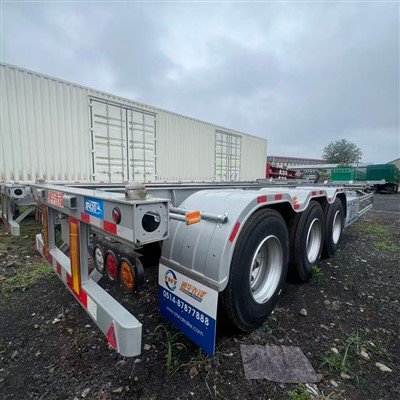
Let’s start with the basics. A steel dump semi-trailer is a heavy-duty, non-powered trailer designed to be paired with a semi-truck cab (the power unit) for hauling loose, dry, or semi-liquid bulk cargo—think asphalt, limestone, sand, wood chips, or even demolition debris. Unlike dry van trailers, which have enclosed sides and a fixed rear door, or flatbeds, which leave cargo exposed, dump semi-trailers are built with a hinged rear gate that can be opened hydraulically, and a hydraulically powered lifting mechanism that tilts the entire trailer (or just the front end) to dump cargo out of the back in seconds. The steel part of the name is key here: the trailer’s main body, frame, and lifting arms are constructed from high-strength steel, not aluminum or lightweight alloys, which sets it apart from other dump trailer types and makes it the workhorse for heavy, high-volume hauling.
I’ve sold a lot of trailers over the years, and one of the biggest mistakes new operators make is assuming all dump trailers are the same. Let’s break down what makes a steel model unique, because that’s why it’s the go-to for most commercial applications. First, the structural build. High-strength carbon steel is way more durable than aluminum when it comes to handling repeated impact—like rocks being dropped into the trailer from a loader bucket, or scraping against the frame when unloading rough debris. A steel dump semi-trailer can carry loads of 20 to 50 tons, depending on its size, without bending or warping, whereas an aluminum trailer might only handle half that weight before sustaining permanent damage. That durability translates directly to lower long-term costs: I’ve had customers who switched from aluminum to steel tell me they went three years without major repairs, compared to 18 months with their aluminum trailers.
Then there’s the lifting system, which is where the “semi” part of the name matters. A standard single-axle dump trailer attaches to a pickup truck, but a semi-trailer is built to pair with a class 8 semi-truck cab, which has the power and hydraulic capacity to lift the full weight of the loaded trailer. Most steel dump semi-trailers use a front-end hydraulic lift—this means the cylinder is mounted under the front of the trailer, tipping it backward so cargo slides out the rear. That’s more stable than a side dump trailer, which tilts to the side and can tip over on uneven ground, or a bottom dump, which unloads through a gate at the bottom and is better for material that needs precise spreading, like gravel on a road. For general hauling, though, the rear-tipping steel semi-trailer is the most versatile: it works on uneven construction sites, can unload into a bin or a stockpile, and doesn’t require a specialized unloading area, which is a huge plus for smaller operations.
Now, let’s talk about when a steel dump semi-trailer is the right choice, because it’s not always the best fit. I recently had a farm owner come to me asking for a trailer to haul wheat, and I steered him toward a lightweight aluminum dump trailer—wheat is light, and he only needed to carry 10 tons per load, so the aluminum would save him money on upfront costs and gas, since a lighter trailer means better fuel efficiency. But when a mining company comes to me needing to haul 40 tons of limestone daily, I don’t even hesitate to recommend steel. Here’s the breakdown of the use cases where steel makes sense:
First, heavy bulk construction materials. Limestone, gravel, sand, and asphalt are all abrasive, heavy, and hard on trailers. A steel trailer’s thicker wall panels (usually 10 to 12 gauge, compared to 14 gauge on aluminum) resist scratching and denting from repeated loader drops. Asphalt, in particular, is hot when it’s hauled to a paving site, and steel handles high temperatures better than aluminum—aluminum can warp or become brittle after repeated exposure to hot asphalt, leading to leaks or structural damage. That’s a big one for paving contractors, who tell me steel trailers last twice as long hauling hot asphalt as aluminum ones.
Second, demolition and heavy debris. When you’re hauling concrete chunks, rebar, or rubble, you can’t use a lightweight trailer. Those materials are sharp, heavy, and often have hard edges that can puncture thin aluminum walls. A steel dump semi-trailer’s reinforced frame and thick side panels prevent that kind of damage, so you don’t end up with a trailer that has to be pulled off the road mid-job because of a leak or a hole. I’ve seen operators who tried to save money by buying aluminum trailers for demolition work end up paying for two new trailers in the time a steel one would last.
Third, long-haul routes. If you’re traveling 500+ miles round trip between a quarry and a construction site, or a mine and a processing plant, steel’s durability pays off. Even though steel is slightly heavier than aluminum (a 40-foot steel semi-trailer weighs about 14,000 pounds, compared to 10,000 pounds for aluminum), the upfront cost of repairs is lower, and steel holds its value better when it’s time to resell. I’ve had customers sell their 10-year-old steel trailers for 70% of their original price, while aluminum trailers of the same age only go for 30%—that’s a huge difference in resale value.
Now, let’s get real about the downsides, because I’m not here to sell you something that doesn’t fit. Steel is heavier, so if you’re working with tight weight limits (like some state regulations that cap total truck weight at 80,000 pounds), a steel trailer might limit your payload a little. For light loads, that extra weight can add up to a few hundred dollars extra in fuel costs per year. Also, steel is prone to rust if it’s not properly maintained—especially if you’re hauling materials like manure or salt, which are corrosive. That’s why I always tell customers to invest in a good paint job or a galvanized coating, and to wash out their trailer regularly after hauling corrosive materials. A little maintenance goes a long way: I have a customer who’s had the same steel trailer for 12 years, and he still uses it every day because he keeps it coated and washes it after every use.
I get a lot of questions from first-time buyers about how to choose the right size, too. Steel dump semi-trailers come in a few standard sizes: 26-foot, 36-foot, and 40-foot. The 40-foot is the most popular for long-haul, since it can carry the maximum legal payload in most states. The 26-foot is great for urban construction sites, where space is tight, because it’s easier to maneuver in narrow streets. The 36-foot is a middle ground, popular for landscaping and farm hauling. I always ask buyers what they’re hauling, how far they’re going, and where they’re unloading before I make a recommendation—one size never fits all.
Another thing a lot of people don’t talk about is the features that make a steel dump semi-trailer work better for different jobs. For example, if you’re hauling wood chips, you might want a trailer with higher side walls (54 inches instead of 48) to prevent the chips from blowing out on the highway. If you’re hauling wet sand, you’ll want a reinforced floor and a sloped bottom so the sand doesn’t stick to the trailer when you dump it. Some of the newer models I supply even have hydraulic tarp systems, which cover the load to keep materials from blowing out, and that’s a game-changer for avoiding fines on highways that require covered cargo. I’ve had customers tell me they saved thousands of dollars in tarp fees and fines after adding a hydraulic tarp to their steel trailer.
Let me share a quick story that illustrates why I’m passionate about these trailers. A few years ago, I had a customer named Joe who ran a small construction company in Ohio. He started out with a used aluminum dump trailer, and after two years, he had to replace three side panels and a floor because of rocks and debris. He came to me looking for a new trailer, and he was worried about the upfront cost of a steel one—about $15,000 more than the aluminum. But we crunched the numbers: his annual repair costs were $8,000 with the aluminum, and he would have to replace it in another year, so he ended up spending more long-term. He bought a steel dump semi-trailer, and three years later, he called me to tell me he’d only spent $1,200 on maintenance, and he’d already booked two more jobs because he could carry more material per load, so he made fewer trips. That’s the kind of return on investment I love to see.
For anyone still on the fence about whether a steel dump semi-trailer is right for you, let’s sum it up: it’s a heavy-duty, versatile trailer built for hauling high-volume, abrasive bulk materials, paired with a semi-truck for long hauls or heavy site work. It’s more durable than aluminum, holds its value better, and handles extreme conditions better than other types of trailers. The only time it’s not the best choice is when you’re working with light loads and tight weight limits, or when you’re only hauling over short distances and don’t need the heavy capacity.
At the end of the day, the best trailer is the one that fits your specific needs, and if you’re hauling heavy, rough, or high-volume materials, a steel dump semi-trailer is hard to beat. If you’re ready to talk through your needs, get a quote, or learn more about the different models we offer, don’t hesitate to reach out to discuss your requirements.
Auman Dump Truck References
- American Trucking Associations. (2022). Heavy-Duty Trailer Structural Durability Report.
- National Association of Heavy Equipment Manufacturers. (2021). Bulk Haul Trailer Selection Guide.
- Federal Highway Administration. (2023). Commercial Vehicle Weight Limit Regulations for Semi-Trailers.
- Construction Equipment Association. (2022. Steel vs. Aluminum Trailer Performance for Construction Materials.
Jining Yaochi Automobile Trading Co., Ltd.
With abundant experience, we are one of the most professional dump semi-trailer manufacturers in China. Please feel free to buy cheap dump semi-trailer made in China here from our factory. Quality products and reasonable price are available.
Address: Liangshan Industrial Park, Jining City, Shandong Province, China
E-mail: Yzhiying23@gmail.com
WebSite: https://www.yaochitruck.com/
