If you’ve ever stood next to a Mitsubishi engine sitting in a delivery truck, a farm tractor, or a workshop, you know these powerhouses aren’t just metal and pistons—they’re built to keep moving, even when the work gets hard. Over the 12 years I’ve run my family’s Mitsubishi engine parts supply business, I’ve seen firsthand that the difference between an engine that runs 500,000 miles and one that conks out at 100,000 isn’t luck. It’s consistent, intentional maintenance, and using genuine Mitsubishi parts when something does wear out. Today, I’m pulling back the curtain on the maintenance habits we share with every customer who walks in, calls, or orders from us—stuff that doesn’t require a mechanic’s degree, just attention to the small, often overlooked details. Mitsubishi Engine Parts

Let’s start with the foundation of any Mitsubishi engine: the lubrication system. I can’t tell you how many times I’ve heard a customer say, “I just changed the oil when the shop told me to, so it’s fine.” But Mitsubishi’s own engineering specs (the ones we keep copies of in our back office for every engine model we supply parts for) aren’t generic. For most light-duty Mitsubishi engines—think the 4G63 for pickups or the 4M40 for SUVs—the manual calls for a full oil change every 5,000 miles under normal driving conditions, and every 3,000 miles if you’re doing heavy loads, stop-and-go city driving, or hauling equipment. The mistake people make is using cheap, off-brand oil that doesn’t meet Mitsubishi’s viscosity requirements (usually 5W-30 or 10W-30 for gasoline engines, 15W-40 for diesels) or skipping the oil filter. A cheap filter can let tiny metal shavings or debris slip through, and over time, those shavings grind down cylinder walls, bearings, and crankshafts—parts we supply all day long, but nobody wants to replace prematurely. Last year, a small landscaping company brought in a 2018 Mitsubishi Fuso truck with a knocking engine. Turns out, they’d skipped two oil changes and used a filter from a big-box store that wasn’t rated for their model. We had to replace the main bearings, and that repair cost them more than they would’ve spent on 10 oil changes with genuine Mitsubishi parts. So rule one: follow the oil change interval for your specific engine, not the “severe” or “normal” labels on the oil bottle.
Next, the cooling system—another area where small missteps cause big, expensive damage. Mitsubishi engines run hot, especially when working under load, and the cooling system is their only defense against overheating. Most owners wait until their temperature gauge spikes to check coolant, but I recommend popping the hood every month to take a quick look. First, never open the radiator cap when the engine is hot—that’s a rule I learned the hard way early on when a customer burned themselves and had to replace a warped cylinder head. Instead, wait until the engine is cool, then check the coolant level. If it’s low, top it off with a 50/50 mix of distilled water and genuine Mitsubishi coolant, not tap water or regular antifreeze. Tap water has minerals that build up in the radiator and block flow, leading to overheating. Regular antifreeze doesn’t have the corrosion inhibitors Mitsubishi engines need to protect aluminum components (most newer models have aluminum cylinder heads and blocks), so it eats away at metal and hoses over time. I tell every customer: flush the entire cooling system every 30,000 miles, even if you think it looks fine. Last quarter, a farmer brought in a 2015 Mitsubishi 4M50 engine that seized during harvest. The mechanic found the radiator was clogged with mineral deposits from tap water, and the head gasket had blown. We replaced the radiator, head gasket, and water pump, but that’s a $3,000 repair that could’ve been avoided with a $50 flush kit.
Air and fuel filters are the unsung heroes of engine longevity, and I see way too many customers ignoring these. The air filter keeps dirt, dust, and bugs out of the combustion chamber—dirt is abrasive, just like that metal shavings I mentioned earlier. For engines that work in dusty environments (construction, farming, off-roading), Mitsubishi’s manual says to check the air filter every 1,000 miles, not the 15,000 miles a quick lube shop will tell you. If the filter looks dirty, replace it with a genuine Mitsubishi unit, not an aftermarket knockoff. A cheap air filter has gaps in the media that let 10 times more dirt through, and over time, that dirt will wear the cylinders so bad the engine loses compression. The fuel filter is just as important. Diesel engines (like the ones in our heavy-duty trucks and farm equipment) are especially susceptible to water and debris in fuel. Water in the fuel system can cause corrosion in fuel injectors, which are precision parts that cost hundreds of dollars each. Gasoline engines also have fuel filters, and a clogged one can starve the engine of fuel, leading to rough idling or misfiring. I had a customer last spring who owned a fleet of Mitsubishi pickup trucks for his plumbing business. He’d been using generic fuel filters, and after 20,000 miles, the injectors in half the trucks were clogged. He spent $12,000 replacing them, and since he switched to genuine Mitsubishi filters and changed them every 10,000 miles, he hasn’t had a single injector issue in 18 months. It’s a small cost upfront that saves thousands down the line.
Let’s talk about ignition and exhaust systems, because even small issues here can kill an engine’s lifespan. For gasoline-powered Mitsubishi engines, spark plugs are supposed to be replaced every 30,000 miles for standard plugs, and every 100,000 miles for iridium plugs (which most newer models use). If spark plugs are worn, they don’t ignite the fuel-air mixture properly, leading to incomplete combustion that leaves carbon buildup on valves and pistons. That buildup reduces engine power and increases fuel use, and over time, it can cause knocking that damages the connecting rods. For diesel engines, glow plugs are equally important—worn glow plugs make starting hard, especially in cold weather, and can also lead to incomplete combustion. And don’t forget the exhaust system. A cracked exhaust manifold or a clogged diesel particulate filter (DPF) does more than just make a loud noise. Backpressure from a clogged DPF forces the engine to work harder, increasing wear on the turbocharger, which is another expensive part. We supply turbochargers all the time, and almost every time, the root cause is a clogged DPF that wasn’t serviced regularly. If you see a warning light on your dash (most Mitsubishi models have these now) or notice black smoke from the exhaust, don’t ignore it—getting it fixed early is way cheaper than replacing a turbo.
One area that’s easy to overlook is the rubber and plastic parts that keep everything connected: hoses, belts, and seals. The serpentine belt that drives the alternator, water pump, and AC should be inspected every 60,000 miles and replaced every 100,000 miles. A broken belt while you’re driving will make the water pump stop working, leading to immediate overheating—way before you can pull over. I’ve had customers come in with engines that seized because the serpentine belt broke on the highway, and by the time they got to a shop, the damage was done. Radiator hoses, heater hoses, and vacuum hoses should be checked for cracks or bulges every time you do an oil change. A cracked radiator hose can burst while you’re driving, leaving you stranded and overheating. We sell replacement hoses every week, and most of the time, the customer waited too long and the hose burst, causing more damage. Also, don’t forget the valve cover gasket and oil pan gasket. Leaks from these can cause low oil pressure, which is a death sentence for an engine. If you see oil pooling under your engine, don’t top off the oil and forget it—fix the leak with a genuine Mitsubishi gasket, and replace the oil at the recommended interval.
Proper break-in for new or rebuilt Mitsubishi engine parts is another point I can’t stress enough. Whether you’re installing a new piston, a full long block, or a rebuilt turbo, the break-in period is when the parts seat properly, and rushing this will shorten their life. For most new Mitsubishi parts, the break-in is the first 500 miles: avoid full throttle, heavy loads, and extended idle, and keep the RPM under 3,000 for gasoline engines and 2,500 for diesels. Change the oil and oil filter after that first 500 miles, because the metal shavings from the seatings process will be in the oil. I’ve seen customers install a new Mitsubishi engine, then tow a trailer 1,000 miles right away, and by the time they get home, the bearings are already worn out. Following the break-in steps isn’t hard, and it’s the best way to make sure your new parts last as long as they’re supposed to.
At the end of the day, maintaining a Mitsubishi engine isn’t about following a bunch of complicated rules—it’s about being consistent. It’s not skipping an oil change because you’re busy, or using a cheap filter to save a few bucks, or ignoring a small warning light. The parts we supply are built to last, but they need the right care to reach their potential. If you’re looking for genuine Mitsubishi engine parts to keep your engine running for another 500,000 miles, feel free to reach out to our team for pricing, advice, or help finding the exact part you need. We’ve been in this business for years, and we know Mitsubishi engines inside and out—we’re here to help, not just sell parts.
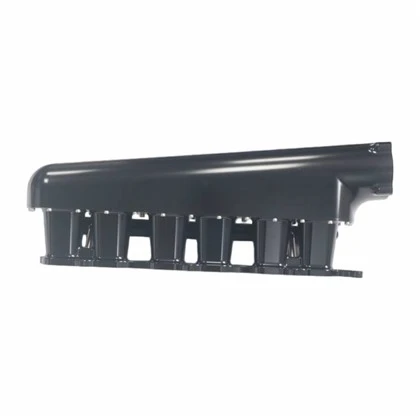
Maintaining engine longevity is a partnership between proper care and genuine, high-quality parts, and following these steps will help you get the most out of your Mitsubishi engine for years to come.
TOYOTA 2JZ References:
Mitsubishi Motors Corporation. (2020). 4G Series Gasoline Engine Maintenance Manual. Mitsubishi Technical Publications.
Mitsubishi Motors Corporation. (2021). 4M Series Diesel Engine Service Specifications. Mitsubishi Heavy Industries Engine & Turbocharger, Ltd.
Society of Automotive Engineers. (2019). Lubricant Viscosity Requirements for Light-Duty Diesel Engines. SAE International.
Automotive Maintenance and Repair Association. (2022). Best Practices for Cooling System Maintenance in Aluminum-Engine Vehicles. AMRA Publishing.
RCH Precision Machinery Co., Ltd.
With abundant experience, we are one of the most professional mitsubishi engine parts manufacturers and suppliers in China. We warmly welcome you to buy high quality mitsubishi engine parts at competitive price from our factory. If you have any enquiry about cooperation, please feel free to email us.
Address: No.71 Zhennan 3 road Tong’an Area Xiamen, Fujian, China
E-mail: mike@rchxm.com
WebSite: https://www.rchxm.com/
