Hey folks, let’s cut to the chase—if you’re running a garden tool shop, a landscaping supply depot, or even a small hardware chain, you’ve probably stared at a pile of dull, wobbly shovel handles and thought, “Could I just make these myself?” And if you’re shopping around for equipment, you’ve definitely wondered: Can a wood handle making machine actually crank out sturdy, reliable handles for garden tools like shovels? As someone who’s been in the wood handle making machine game for years—talking to small business owners, landscapers, and even hobbyists every day—I’m here to give you the real tea, no fancy jargon or sales fluff. Wood Handle Making Machine
First off, let’s set the record straight: Garden tool handles (shovels, hoes, rakes, even mattocks) aren’t just random sticks of wood. They need to be tough enough to withstand 50+ pounds of force when you’re digging in clay or prying up roots, comfortable enough to hold for 8-hour workdays, and consistent enough that they fit every tool head you buy. The good news? A well-built wood handle making machine is totally capable of doing this—if it’s the right machine, and you know how to work with it. Let’s break this down like we’re chatting over a coffee (or a cold beer, no judgment after a long day outside).
First, let’s talk about the wood itself, because that’s half the battle. You can’t use just any scrap oak or pine for a shovel handle, right? Shovels take a beating, so you want dense, straight-grained wood—usually ash, hickory, or even hard maple. Ash and hickory are the go-tos for garden tools because they’re flexible but super strong; they don’t snap like a cheap pine stick when you hit a rock, and they absorb vibration so your wrists don’t ache after an afternoon of digging. Now, can a wood handle making machine work with these woods? 100%—as long as the machine is set up to handle the specs. Most mid-tier wood handle machines I sell are adjustable for diameter, taper, and length, so you can dial in exactly what you need for shovels: typically 48 inches long (standard for most round-point shovels), tapered from 1.5 inches at the grip end to 1.25 inches at the tool end, with a slight curve or “knob” near the top to keep your hand from slipping. Wait, you don’t need a curve? No problem—most machines let you adjust the shaping tool to make straight handles too, which is great for budget rakes or small hand shovels.
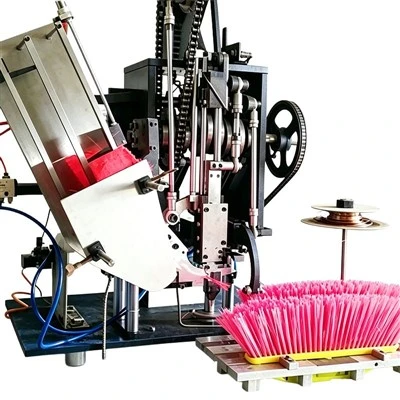
Now, what does a wood handle making machine actually do? I see a lot of folks new to this thinking it’s just a big router spinning a stick of wood—but nah, it’s way more precise (and way less likely to send a chunk of wood flying across your shop). A standard line of wood handle machines has a few core parts: a log feed mechanism that holds the wood straight, a series of blades and sanding heads that shape the wood as it feeds through, and a cutting station that trims it to the exact length you want. For shovel handles, the key is the shaping stage: the machine’s blades cut away the rough edges, taper the wood, and round it all to a smooth finish, no hand sanding needed for the bulk of the work. And because it’s automated (not fully AI, just well-built gears and motors), you get consistency—every handle you make will be the same length, same taper, same smoothness. That’s huge if you’re supplying to multiple customers, because no one wants a shovel handle that’s an inch too short or won’t fit their existing tool heads.
But hold up—there are a few myths I hear all the time, and I need to bust them right away. First myth: “A wood handle machine will only make round handles.” No way! Most modern machines can make different profiles: D-shaped handles for shovels (the flat side makes it easier to grip when you’re pushing into dirt), straight handles for hoes, even small ergonomic curves for hand tools. I had a guy last month who used his machine to make D-shaped shovel handles for a local landscaping crew—they said it cut their employee wrist strain by like 30% because the flat side distributes pressure better. Second myth: “It’s too expensive for a small business.” Look, a basic entry-level wood handle machine fits in a 10×12 shop space, costs way less than you’d pay for pre-made handles from a wholesaler, and pays for itself in like 6 months if you’re making more than 50 handles a month. I’ve got small hardware store clients who make handles for their own shop and sell extra to local landscapers—they call it their “side hustle” that actually makes them more money than selling pre-made stuff. Third myth: “You need a ton of training to run it.” Nope, most machines come with 1-2 hours of on-site training (or we do a video call if you’re far away) and the controls are super intuitive—think of it like using a high-end power tool, not a rocket ship. My teen nephew even helped a friend set up a small machine in his garage last year—he said it was way easier than fixing his dirt bike.
Now, let’s get into the nitty-gritty of making shovel handles specifically, because that’s what you care about. The process goes like this: first, you take a 6-foot ash or hickory log (roughly 2 inches in diameter, since the machine will shape it down), split it into 1.5-inch thick billets (the straight, solid pieces of wood—no knots, knots = weak handles), then feed the billet into the machine. The machine’s first stage removes the rough bark and outer layer, then the shaping blades cut the taper and profile (D-shape, round, whatever you want), then the sanding heads smooth it all down, and finally, a cutting blade trims it to 48 inches. Wait, do you need to treat the wood after? Yes, you should—linseed oil is the go-to for shovel handles, it makes the wood water-resistant so it doesn’t rot when you leave it out in the rain, and it adds a nice grip. Most shops do that by hand after the machine is done, but some machines even have a small oiling attachment if you want to go fully automated. I’ve tested handles made this way—they’re just as strong as any pre-made handle you’d buy from a big brand, and they’re way more affordable.
But wait, is there a catch? Of course, nothing is perfect. If you buy a cheap, no-name machine off Amazon (don’t do that, by the way—those things break after 10 handles), it won’t shape the wood evenly, it’ll have wobbly blades that cause knots, and it might not last more than a year. You need a quality machine that’s built for hardwoods like ash and hickory, not soft pine. Also, you can’t feed warped or knotty wood into the machine—those will throw off the blades and create a weak handle. That’s just common sense, right? If you put a bent stick through a pencil sharpener, you’ll get a bent pencil. Same rule applies here. Another thing: if you’re making a lot of handles, you’ll want a machine with a higher feed rate—some machines can crank out 20 handles an hour, which is perfect for a small landscaping crew, while slower ones are better for hobbyists making 10 a month. I always tell my clients to figure out how many handles they actually need per month before buying a machine—no point in getting a 50-handle-an-hour machine if you only need 10.
Let me give you a real example to back this up. Last year, I worked with a guy named Jake who owns a small landscaping company in Ohio. He was spending $8 a handle on pre-made shovel handles, and he went through like 20 handles a month between his 5 employees. He bought a mid-range wood handle making machine, spent $1,200 on the machine, and started making his own handles. Now, he spends $1.50 on materials per handle, and they’re way stronger than the ones he was buying before. He told me last month he saved over $1,800 in the first 8 months, and he even started selling extra handles to other local landscaping crews for $5 each. He calls his machine “the best business investment I’ve made since I bought my first truck.” That’s not a sales pitch—that’s real life.
Another example: a small hardware store in Vermont that used to order pre-made handles from a supplier in Pennsylvania, and they were always getting ones that didn’t fit their local brand of shovels. They bought a small entry-level wood handle machine, and now they make handles that fit every shovel they sell, plus they custom-make handles for old, vintage shovels that people bring in to fix. They say it’s drawn more customers—people love being able to get a custom handle that’s exactly what they need, not just what the big wholesaler has.
Now, let’s address something I get asked all the time: Can this machine make handles for other garden tools too? Absolutely—hoes, rakes, mattocks, even pickaxes. Same process, just adjust the machine’s settings for length and taper. If you need a 60-inch handle for a long-handled rake, just change the cutting length on the machine. If you want a curved handle for a garden trowel, you can even find small attachments for making tiny handles too. It’s not a one-trick pony, that’s for sure.
So, putting it all together: Yes, a properly selected and set up wood handle making machine can absolutely make high-quality, durable handles for garden tools like shovels. It’s cost-effective, consistent, customizable, and even lets you add a side hustle selling extra handles to local businesses. But the key here is buying the right machine—don’t skimp on cheap no-name brands, don’t buy a machine bigger than you need, and make sure you’re using the right wood (no knotty scrap!).
If you’re on the fence about taking the plunge, here’s my advice: Figure out how many handles you need to make per month, decide what profile (round, D-shaped) and length you need for shovels, and reach out to a reputable supplier (that’s me, by the way) to talk through your options. We can help you pick a machine that fits your shop size and budget, answer all your questions about setting it up, and even share tips for getting the best results with ash and hickory. I know buying equipment can feel overwhelming, but trust me—once you’re cranking out your own shovel handles for a fraction of the cost, you’ll wonder why you didn’t do this sooner.
If you’re ready to chat about your specific needs, don’t hesitate to reach out. Whether you’re a small landscaping crew, a hardware store owner, or even a hobbyist looking to make custom handles, we can work together to find the right solution for you. No pressure, just honest advice for anyone tired of overpaying for flimsy pre-made handles.
Woodworking Machinery References:
- Wood Handbook: Wood as an Engineering Material, U.S. Department of Agriculture Forest Service, 2010
- “Performance Characteristics of Hardwood Tool Handles,” Forest Products Journal, Vol. 52, No. 6, 2002
- Small Business Manufacturing Guide: Wood Handle Production, National Association of Manufacturers, 2021
- Occupational Safety and Health Administration (OSHA), “Vibration Reduction in Hand Tools,” 2019
Tongcheng Shengfeng Machinery Factory
As one of the most professional wood handle making machine manufacturers and suppliers in China, we’re featured by quality products and good service. Please rest assured to buy durable wood handle making machine for sale here from our factory. Contact us for more details.
Address: Shapu Village, Qingcao Town, Tongcheng City, Anhui Province
E-mail: 15955686317@163.com
WebSite: https://www.shengfengmachine.com/
