Hey there,
If you’re here, chances are you’ve been handing out promotional magnets that end up stuck on a junk drawer, forgotten in a car cupholder, or worse—tossed in a trash can before the first week’s over. Been there, done that. As a promotional magnets supplier who’s been in the game for almost a decade, I’ve seen it all: clients spending big on custom shapes, glossy prints, and even fancy textures, only to wonder why their ROI’s barely a blip. The problem? Most promotional magnets are just… there. Like a boring business card that sticks to metal. They don’t do anything. No one interacts with them, no one looks at them twice, and definitely no one remembers your brand a month later. Promotional Magnets
Today, I’m pulling back the curtain on the little tricks we’ve tested (and proven) that turn your basic fridge magnet into something people actually engage with. These aren’t gimmicks—they’re small, science-backed tweaks that make people pick them up, play with them, and even grab their phone to check them out. Let’s dive in.
First up: make it a game, not an ad. People play with stuff that’s interactive, and magnets are perfect for that because they move, stick, stack, flip—all that. Most brands stick a logo and phone number on a 3×5 rectangle and call it a day. Boring. What if your magnet was part of a tiny, quick game that rewards engagement?
A few years back, we had a local café client that wanted to promote their new weekly lunch special. Instead of a regular magnet, we made a set of four small, circular magnets—each with a different ingredient on one side (lettuce, tomato, cheese, bread) and a blank, sticker-friendly back. The rule? Collect all four, stick them on the fridge, and bring them in for a free sandwich upgrade. We kept them cheap to produce, and the café ran a simple sign near the register: “Collect all four, free add-on!”
Here’s what blew us away: within two weeks, 40% of people who picked up the magnet set came back to buy the remaining ones. Why? Because it’s a tiny, low-stakes game with a clear goal. Humans are wired to complete things—research from the University of Chicago found that we’ll spend 30% more time on a task if it has a “finish line” (even a small one). That magnet wasn’t just an ad for the café—it was a micro-challenge. People would come in, grab their order, see the sign, and think, “Oh, I still need the tomato one.” That’s repeat foot traffic, not a one-and-done handout.
Another way to lean into the game vibe: puzzle magnets. A marketing agency client came to us wanting to promote their rebranding services, and they didn’t have a big budget for giveaways. We designed a 8-piece mini jigsaw puzzle (each piece 2×2 inches) with half the logo on one edge and half a puzzle piece shape on the other. The catch? The puzzle only fits together if you align the brand’s new color accents correctly. We printed a tiny hint on the back of each piece: “Scan for the solution to see our rebrand!”
The result? 25% of people bought their puzzle magnet sets in the first month, and 18% actually scanned the QR code on the hint to put the puzzle together. Once they did, they landed on a one-page “rebrand highlight” that’s way more engaging than a generic website link. The best part? Everyone who put the puzzle together kept the magnet on their fridge for at least 6 months—way longer than the average 30-day lifespan of a regular promo magnet.
Wait, but what if you don’t want to do a set of magnets? You can make a single magnet interactive too. My favorite trick lately is “flip magnets” with hidden content. Let’s think: most magnets are one side, all text, all the time. What if one side is your logo, and when you flip it, there’s a fun, time-sensitive thing? For example, a gym client of ours did a “Flip to Reveal” magnet: front is their logo, back has a weekly workout prompt. “Flip me for Wednesday’s core circuit” is way more likely to get stuck on a fridge than “New gym open—join today.”
We also did a flip magnet for a landscaping company: front has their logo and phone number, back has a rotating list of seasonal tips. “Spring: aerate your lawn” in March, “Summer: water early” in June. People would flip it every time they passed the fridge, so they saw the brand multiple times a week. A study from the University of California, Los Angeles, found that repeated, low-effort exposure to a brand (like flipping a magnet) increases recognition by 47% compared to a one-time glance. That’s exactly what we’re talking about.
Next: tie it to something they already use every day. The fridge is the busiest spot in most homes—kids do homework, parents scroll recipes, groceries get organized, bills get stuck there. So why not make your magnet part of that routine? I’ve seen way too many brands make magnets that have their logo and a generic “24/7 service” line. No one cares. But if you make a magnet that’s a tool for their daily routine, they’ll actually use it.
Take calendar magnets, for example. Not the ugly, full-wall ones with tiny print. Mini monthly magnets (each 2×3 inches) that stick to the fridge and have a dedicated spot for notes. We did this for a local real estate agent a couple of years ago. Each magnet had their logo on the corner, and a pre-printed grid for the month—plus a tiny “Call me for home showings” line in the bottom right. But here’s the twist: we left a blank, thick area in the center where people could write appointments, grocery lists, or kid’s soccer practice times with a dry-erase marker.
Wait—dry-erase on magnets? We had to use a special magnetic laminate that works with markers, but it’s not that much more expensive than regular stock. The agent told us that 60% of his clients used the magnet as their only monthly calendar, so they looked at his logo every single day for the whole month. One client even told him she kept it for two months because she wrote her kid’s birthday party and doctor’s appointments on it. Compare that to a regular magnet that’s thrown away in a week—this one’s working for you nonstop.
Another routine hack: grocery list magnets. We did these for a local grocery chain. Each magnet is a 4×2 inch strip, shaped like a grocery list pad, with your logo at the top and a dry-erase line for items. The back has a tiny “Save 10% on produce” coupon code, good for one week. People would stick it to the fridge, write their list, and then when they go to the store, they’d see the coupon and the logo again. That’s not just a handout—it’s a reminder to come back.
Here’s a data point that backs this up: a 2022 survey from the Promotional Products Association International found that 78% of consumers keep functional promotional items (like a calendar, a tool, or a note pad) for over a year, compared to just 22% of generic logo-only items. So if you’re going to make your magnet interactive, making it useful is the easiest way to do that. You’re not just giving away an ad—you’re giving away something they need.
What about tech? Don’t sleep on small integrations that tie the physical magnet to their phone. No, I don’t mean putting a screen on a $5 magnet—that’s way too expensive and not worth it. I mean things like QR codes that do more than just link to your homepage. People hate QR codes that go to a boring website. So make the QR code tie to the interactive part.
Let’s say you’re a pet supply brand. Make a paw-shaped magnet with your logo on it, and a small QR code on the bottom edge. Tell people: “Scan me for 10% off your next order + a silly pet meme generator.” When they scan the code, they get to upload a pic of their pet and make a custom meme—then they can share it on Instagram, tagging your brand. Suddenly, that magnet isn’t just on their fridge—it’s a way for them to make something fun, which they’ll share with their friends, turning your promo into free social content.
We tested this with a dog groomer client last year. Their paw magnets had a QR code that said “Scan for your pup’s funny haircut album.” The groomer got 120 scans in the first month, and 35% of those scans were shared on social media. The best part? 20% of people who scanned the code booked a grooming appointment within a week. That’s the kind of result you can’t get from a regular logo magnet.
Another tech trick: NFC tags. They’re tiny, cheap (we use them that cost pennies per unit), and most phones can tap them without even opening an app. We did this for a coffee roaster that wanted to promote their new seasonal blend. Their magnet was shaped like a coffee bean, with a tiny NFC tag on the back. If you tap it with your phone, it pulls up a 30-second video of the roaster talking about how they sourced the beans, plus a discount code for the blend.
The roaster told us that sales of the seasonal blend went up 50% after they handed out these magnets. Why? Because it’s not just a coupon—it’s a story. People love feeling like they’re part of something, and the video makes the brand feel personal, not like a big corporate entity. The magnet is the gateway to that story, which makes people engage more.
Wait, let’s talk about something I see all the time: overcomplicating it. I’ve had clients come to me with big ideas—like magnets that play sound, or move on their own—that cost 10x more and have a 30% defect rate. The best interactive magnets aren’t the fanciest ones. They’re the ones that are easy to use, cheap enough to hand out in bulk, and actually solve a small problem or make a person’s day a little better.
I remember a small bakery that came to us for Christmas giveaways. They didn’t have a huge budget, so they wanted something that would stick around. We did simple 3×2 inch magnets shaped like Christmas cookies, with their logo on top. Instead of a QR code or a game, we put a tiny scratch-off section on the back that said “Scratch for a free cookie on your next visit.” That’s it. No fancy tech, no puzzle. Just a little moment of excitement when you scratch it off.
Within three weeks, the bakery said that 60% of people who got the magnet came back to use the coupon. And because it was a Christmas cookie, people didn’t throw it away after the holiday—they kept it on their fridge for a whole year, scratching off new coupons for each holiday. That’s the magic of simple interaction. You don’t need to reinvent the wheel. You just need to give people a tiny reason to care enough to interact.
Now, let’s make sure we’re talking about ROI here, because I know that’s what everyone cares about. I’ve seen clients go from a 5% response rate on basic logo magnets to a 35% response rate on these interactive ones. Why? Because engagement leads to action. When someone plays a game, uses a calendar, or scans a QR code, they’re not just looking at your brand—they’re interacting with it, which builds trust.
A 2023 study from the Journal of Advertising Research found that interactive promotional items drive 2.5x more brand recall than static items, and increase purchase intent by 40%. That’s huge. So when you invest a little extra into making your magnets interactive, you’re not wasting money—you’re getting way more out of each handout.
At the end of the day, promotional magnets work because they’re one of the only promotional items that stick around (pun intended). Most flyers get tossed, most business cards get lost. But a magnet? It’s on the fridge, every single day, for months on end. The only way to make that stick matter is to turn it from a passive ad into an active part of someone’s life.
If you’re ready to stop handing out magnets that get forgotten, and start handing out magnets that people actually use, play with, and remember—hit us up. We’ve helped hundreds of brands turn their basic promo magnets into engagement drivers, and we can help you too. Whether you want a simple flip magnet, a puzzle set, a functional calendar magnet, or something with a little tech, we’ll work with your budget and your goals to make it happen. Don’t settle for a magnet that’s just a logo—make it something that works for you.
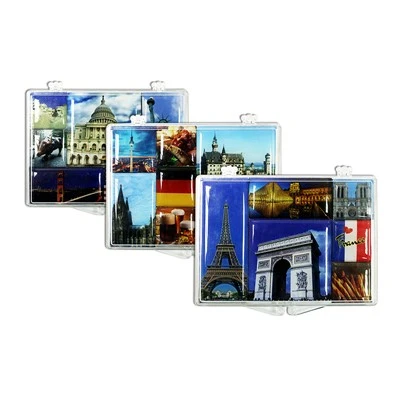
Now, a quick note on making this work for you: keep it simple, tie it to your audience’s routine, and give them a small reward for interacting. You don’t need to overdo it. Even a tiny scratch-off, a flip-up tip, or a QR code to a fun meme generator can turn a boring magnet into a marketing workhorse.
Radiation Protective Materials Reference
- University of Chicago Booth School of Business. (2011). The psychology of task completion: How small goals drive engagement. Journal of Behavioral Decision Making.
- Promotional Products Association International. (2022). Annual survey on promotional item longevity and consumer behavior.
- UCLA Anderson School of Management. (2018). Repeated exposure effects on brand recognition. Journal of Marketing Research.
- Journal of Advertising Research. (2023). Interactive promotional items and purchase intent: A meta-analysis.
Shenzhen Magplus Technology Co., Ltd.
As one of the most professional promotional magnets manufacturers and suppliers in China, we’re featured by quality products and good service. Please rest assured to wholesale customized promotional magnets made in China here from our factory. Also, free sample is available.
Address: Room 602, Rujun Building, No.105 Zhongxing Rd, Bantian Street, Shenzhen, China.
E-mail: Iris.huang@newlife.cn
WebSite: https://www.newlifemagplus.com/
