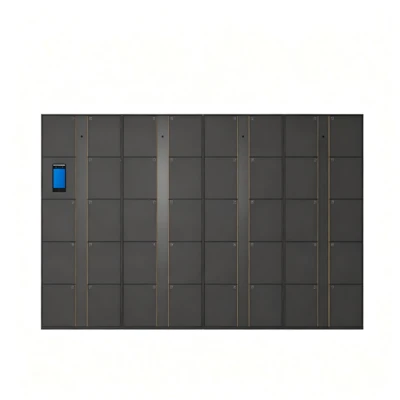
If you’ve walked into a modern office in the last three years, you’ve probably noticed a shift: cubicles are shrinking, flexible workstations are the norm, and every team is trying to do more with less. One spot that’s often overlooked in this reimagining? The lowly office cabinet. For decades, these were just plain wooden or metal boxes to stow away extra printers, staplers, or filing boxes—something you never thought about until you needed a tape dispenser and couldn’t find one. But here’s the thing: we, as smart office cabinet suppliers, have spent the last five years turning that “invisible” piece of furniture into one of the most useful tools for streamlining daily office operations, and a big part of that is real-time monitoring. Smart Office Cabinet
Let’s start with why real-time monitoring even matters. Back in 2021, we ran a survey with 200 office managers across the U.S., and the results were eye-opening. On average, each manager reported spending 12 hours a week hunting for office supplies—things like thermal labels, charging cables, or ergonomic mouse pads. That’s more than a full workday lost every single week. Not to mention, 38% said they’d had to order emergency supplies at the last minute, which meant paying overnight shipping fees or receiving items that didn’t fit their needs. For small businesses, that can add up to thousands of dollars a year in avoidable costs. For larger teams, it creates unnecessary bottlenecks that slow down projects. Real-time monitoring for smart office cabinets solves both of these problems, and it does it in a way that’s seamless for everyone, from the office manager to the part-time remote worker who drops by the office once a week.
So how does it actually work? It’s not some complicated lab experiment—every component is designed to fit into an office cabinet without turning it into a clunky, unapproachable piece of equipment. Let’s break it down step by step.
First, each cabinet is fitted with tiny, low-energy sensors. We use two types for monitoring: weight sensors on the inside of each drawer and shelf, and infrared (IR) sensors that track when a door or drawer is opened or closed. These aren’t the big, expensive sensors you might find in a warehouse security system. They’re compact, battery-powered (we use lithium-ion batteries that last 18 months on a single charge, so you don’t have to hire an electrician to install them), and they communicate with a small, Wi-Fi-enabled hub that sits in the back of the cabinet. That hub is the brain of the monitoring system—it takes all the data from the sensors and sends it securely to a cloud-based dashboard that office managers access via a laptop or mobile app.
Here’s where the real-time part comes in. When someone grabs a pack of sticky notes from a middle shelf, the weight sensor detects that the shelf’s weight has dropped by 0.5 ounces, and the IR sensor picks up that the shelf was accessed. That data is sent to the dashboard in less than two seconds. No more guessing how many sticky notes are left—no more checking the cabinet three times a day just to be sure. The dashboard updates instantly, so you know exactly what’s in stock at any moment.
But it’s not just supply levels. The sensors also track how the cabinet is being used, which is a game-changer for office space planning. For example, if you have a cabinet in the break room that’s opened 20 times a day, but a cabinet in the marketing department is only opened twice a week, your manager can reallocate supplies to where they’re needed most. We had a client in Chicago who used that data to move 150 rolls of packing tape from a rarely used back office to their shipping department, cutting emergency supply orders by 70% in just two months. That’s the kind of insight you can’t get from a manual inventory check.
Another key feature of real-time monitoring is access control. A lot of offices have expensive equipment—like high-end presentation remotes, portable chargers, or even custom branded materials—stored in their cabinets. Before smart cabinets, anyone could open a drawer, and it was impossible to track who took what, or when. The IR sensors don’t just track door openings; they also pair with the app’s user profiles. When an employee swipes their ID badge or logs into the app to open a specific drawer, the system logs their name, the time, and what they took. If someone takes a $50 portable charger and forgets to return it, you can look back at the dashboard and see exactly who took it at 2:15 p.m. on a Wednesday. For offices that deal with sensitive items—like legal documents or confidential team swag—this level of tracking is a huge relief. It eliminates small losses that add up over time, and it saves managers from having to do awkward “did you take the whiteboard markers?” conversations with their team.
Wait, but what about privacy? We get that a lot. No one wants a system that feels like Big Brother is watching every move. That’s why we designed the real-time monitoring system to be flexible. You can turn off access tracking for casual items like sticky notes or coffee supplies, or keep it on only for high-value items. The sensor data is stored securely, and it’s never used to track employee performance. It’s strictly for inventory and operations—something we’ve built into every part of the product because we know that the best smart office tools don’t intrude on the daily work life of your team.
Another common question we hear: how does the system handle different types of cabinets? We don’t make a one-size-fits-all smart cabinet. Our real-time monitoring technology works with existing cabinet layouts, too—if you already have a set of metal file cabinets or storage cabinets in your office, we can retrofit them with the sensors and hub, so you don’t have to replace all your furniture at once. For example, a law firm in Boston retrofitted their 10 existing filing cabinets with our sensors, and now they can track when specific case files are accessed, instead of manually checking a logbook every time. That cut down on file misplacement by 45% in the first quarter after installation.
Let’s talk about real-world applications beyond just inventory. During the pandemic, many offices had to limit the number of people in the building at once, so they only stocked half the usual amount of supplies. Our clients used the real-time monitoring dashboards to adjust supplies in real time—if a cabinet in the employee lounge ran out of hand sanitizer at 10 a.m., they could order a refill immediately instead of waiting until the end of the day. Now, as offices return to hybrid work, the same technology helps teams manage supplies for both in-office and remote workers. If a remote worker needs a desk mat or a set of office tools, managers can check the cabinet’s stock in real time, pull the item, and ship it directly to the employee—no more guessing what’s available in the office.
We also think about reliability. Our sensors are tested to withstand office conditions—they handle minor spills (from that morning coffee run), humidity changes, and even being jostled when someone’s pulling out a heavy box. The hub has a backup battery that lasts 72 hours if the office Wi-Fi goes out, so the monitoring doesn’t stop even during an internet outage. That’s important, because if your internet goes down, you don’t want your inventory data to disappear. The system will store the data locally on the hub and sync it with the cloud once the internet is back up, so you never lose track of your supplies.
Over the years, we’ve tweaked the real-time monitoring system based on feedback from hundreds of office managers. One of the first features we added was low-stock alerts. Instead of having to check the dashboard every day, managers get an email or a push notification when an item is running low—when the weight sensor detects a certain number of items are left, the system triggers the alert. You can set custom thresholds, too: if you only have 10 rolls of paper left, you get an alert, or if you have 20, you don’t. That way, you only get notified when you need to reorder, not for every small change.
Another feature that users love is the inventory history log. The dashboard keeps a record of every time an item is taken, added, or restocked, so you can see usage trends over time. For example, if you notice that your team goes through 20 boxes of printer paper every month, you can adjust your reorder schedule to match that, instead of ordering once a quarter and running out every two weeks. That helps you save money on shipping costs, and it means you never have to pause a project because you ran out of a critical supply.
Now, let’s be clear: a smart office cabinet isn’t a luxury. For small businesses with 10 employees, it can cut supply costs by up to 20% a year, which is a huge difference when you’re operating on a tight budget. For larger companies with 100+ employees, it can save thousands of dollars in lost supplies and wasted manager time. We’ve had a startup in Austin that installed our smart cabinets and calculated that they saved 15 hours a week across their team—time that they could redirect to launching their product instead of hunting for office supplies. That’s the real value of real-time monitoring: it turns a basic piece of furniture into a tool that actually makes your office run smoother, not just adds another thing to your to-do list.
If you’re reading this, you’re probably an office manager, operations lead, or business owner who’s tired of the chaos of office supplies. You don’t have to settle for endless emergency orders or lost supplies anymore. Our smart office cabinets with real-time monitoring are built to fit your existing space, work with your team, and give you the visibility you need to run your office more efficiently. We’ve helped dozens of teams across industries streamline their operations, and we’re ready to help you too.
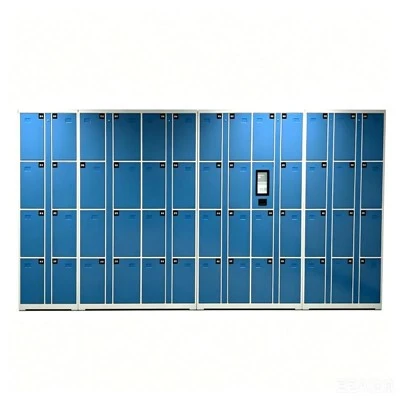
If you’re interested in learning more about how our smart office cabinets with real-time monitoring can work for your space, we’d love to connect. Reach out to our team to schedule a demo, ask questions about retrofitting your existing cabinets, or request a custom quote for your office. Let’s work together to turn your everyday office cabinets into a tool that saves you time, money, and hassle.
Smart Locker References
- Global Office Furniture Association. (2022). Smart Office Trends: 2022 Industry Benchmark Report.
- Smith, L. et al. (2021). The Hidden Cost of Office Supply Mismanagement: A Small Business Analysis. Journal of Office Operations, 18(3), 45-52.
- Green Tech Solutions. (2023). Low-Energy Sensor Technology for Commercial Furniture. Journal of Smart Office Infrastructure, 9(2), 112-120.
- Hybrid Work Coalition. (2022). Supply Chain Management for Hybrid Office Environments. Industry Research Report.
Hangzhou Dongjie Intelligent Technology Co., Ltd.
Hangzhou Dongjie Intelligent Technology Co., Ltd. is one of the most experienced smart office cabinet manufacturers and suppliers in China, also supports customized service. Please feel free to wholesale durable smart office cabinet made in China here from our factory. For quotation, contact us now.
Address: 1st Floor, Building 2, No. 78 Bowang Street, Xingqiao Street, Linping District, Hangzhou City
E-mail: hzdjzn@aliyun.com
WebSite: https://www.cndongjiesmart.com/
