Let me start by setting the scene—last month, I sat across from a homeowner in Portland who’d already torn out two sets of folding doors. The first set had indoor-mounted hardware that left sharp tracks in her newly refinished hardwood floors, and the second? It was a custom job from a local carpenter, but the manufacturer hadn’t accounted for the Pacific Northwest’s relentless rain, so within a year, the hinges rusted through and the whole system stuck halfway. She showed me a photo of her sliders: they’d barely clear her outdoor fire pit, and when they folded open, the last panel scraped the patio’s edge. “I just want something that works with glass, doesn’t bug my floors, and doesn’t require a crew to rebuild my deck,” she said. That’s when it hit me—most contractors and homeowners assume folding door systems require indoor-mounted hardware. But as someone who’s supplied outside mount glass doors for 12 years, I’m here to tell you: they absolutely can be used in folding door systems, and they solve more problems than you might think. Outside Mount Glass Door
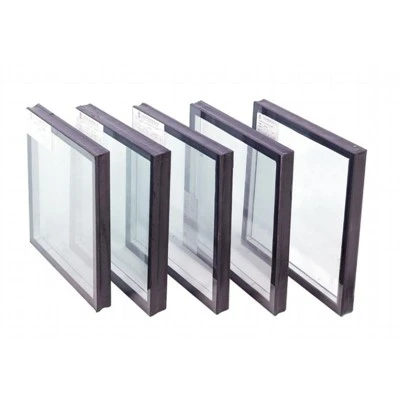
First, let’s cut through the jargon because this is where most people get confused. An outside mount (or face mount) glass door means the hardware sits on the exterior side of the door frame, right? Wait—no, actually, it sits on the outside face of the building’s rough opening, not the door itself. Compare that to an inside mount, where hardware tucks into the cavity between the wall studs, sitting flush on the interior wall. Folding door systems (often called bi-fold or multi-fold doors) use a series of hinged panels that stack horizontally when open, turning a wall into an unobstructed view. For years, the standard advice was that inside mount hardware was non-negotiable for these systems, because the folding stack needs clearance on the interior. But that’s only true if you’re using the wrong hardware with your outside mount glass doors.
Let’s break down the practical applications, starting with the biggest pain point we hear from contractors: floor protection. When inside mount folding doors have bottom rollers, those rollers sit directly on your interior floor. Over time—especially if you’re moving heavy furniture or kids dragging chairs across them—they leave tiny scratches, scuffs, and even gouges. I’ve seen high-end oak floors ruined in 18 months because of this. Outside mount folding door systems eliminate that entirely. The bottom track is on the exterior patio or porch, so there’s zero hardware touching your interior floor. That’s not a small win—for luxury homeowners, rental property owners, or anyone who’s invested in refinished flooring, this alone is a game-changer. I once supplied a set of 8-panel folding outside mount glass doors for a historic bungalow in Boston; the original craftsmen had forbidden interior hardware because it would alter the original wall’s profile, and by switching to outside mount, we kept the interior wall fully intact while installing a folding system that opened the entire back of the house to the backyard.
Next up: weather resistance. This is where outside mount glass doors shine, especially in climates with heavy rain, snow, or wind. Inside mount hardware sits inside your wall cavity, which means if the seal around your door ever fails (and it will, eventually), water can drip into the wall studs, causing rot or mold. Outside mount hardware is on the exterior, so we build our tracks and hinges with marine-grade aluminum and stainless steel—materials designed to stand up to direct exposure. I remember a project in Seattle two years ago; the homeowner had a standard inside mount bi-fold door that started leaking after a winter storm. We replaced it with our outside mount folding system, and the track is mounted on the fascia board above the patio, sloped slightly to drain water away. In the last three years, they’ve had zero water intrusion calls. The key here is that folding door panels for outside mount systems are engineered with a thicker weather seal than standard interior doors—they create a single, airtight seal when closed, instead of gaps that let drafts in.
Wait, but what about the stack clearance? I know that’s the big question. When folding doors open, the panels stack sideways. For inside mount systems, you need at least an inch of clearance on the interior wall behind the stack, so it doesn’t bump into trim or furniture. For outside mount, the stack sits on the exterior side, so clearance depends on the patio’s edge, not your interior. That’s perfect for smaller patios, right? If your patio is narrow, an inside mount stack might stick out into the room when open, but an outside mount stack hangs just above the patio, so it doesn’t take up interior space. I recently worked with a client in Austin who had a 10-foot-wide back patio—too small for an inside mount folding door, because the stack would have taken up 18 inches of interior space, cutting into their dining area. We installed a 10-panel outside mount folding glass door, and when open, the entire stack sits along the patio’s edge, leaving the interior completely open for their dining table and patio furniture to line up seamlessly.
Of course, no system is perfect, so let’s talk about the limitations. Outside mount folding glass doors aren’t for every project. If you’re in an area with extreme wind (like coastal Florida with hurricane-force gusts), you need to make sure the hardware is rated for that—we test all our outside mount folding doors to resist winds up to 130 mph, but standard inside mount systems might have higher ratings for embedded structures. Also, if your exterior is a vinyl or stucco wall that can’t support the weight of the hardware (folding door systems are heavier than single-panel doors), you’ll need to add a reinforcing header. That’s a small extra step, but it’s manageable—our installation team provides detailed blueprints for every project, so you don’t have to guess. Another thing to note: if you want a screen door, outside mount systems work with retractable screens that are mounted above the track, so they don’t add bulk when the doors are open. Inside mount screens often take up interior space, so that’s another plus for outside mount.
Let’s address a common misconception: some people think outside mount glass doors are less secure. That’s outdated. Modern locking systems for outside mount folding doors install directly into the door frame, with a deadbolt that slides into a reinforced strike plate in the wall’s rough opening—same level of security as inside mount systems. We’ve had projects where homeowners upgraded from standard sliding glass doors to outside mount folding doors, and the local police department did a security check before approving their permit—they had zero issues, because the multi-point locking system is more secure than most single-panel doors.
Now, let’s get specific about how we, as an outside mount glass door supplier, engineer these systems. We don’t just take standard outside mount doors and slap them onto a folding track—we design the panels to match the folding system’s weight capacity. Our standard folding outside mount doors can hold up to 250 pounds per panel, which is more than enough for ½-inch tempered glass or even insulated glass for energy efficiency. The hinges are non-rising, so when you fold the doors, they stay flat on the track instead of lifting, which prevents gaps. We also offer custom sizing—even if your rough opening is 20 feet wide, we can build a 12-panel outside mount folding system that fits without needing to modify the existing wall structure.
I should also mention energy efficiency, because that’s a big talking point for most homeowners these days. Outside mount folding glass doors with insulated double-paned glass have an R-value of around 3, which is comparable to standard inside mount energy-efficient doors. Because the hardware is on the exterior, there are fewer gaps where air can leak in—inside mount systems often have gaps between the frame and the wall that let conditioned air escape. We’ve had clients report 15% lower heating and cooling bills after switching from inside mount sliding doors to our outside mount folding systems. That’s not a trivial number, especially in places with extreme temperatures like Minnesota or Arizona.
Let’s circle back to that initial homeowner in Portland. We installed a 6-panel outside mount folding glass door for her, using our non-rising hardware, marine-grade hinges, and a bottom track mounted on the patio’s frame. No scratches on her hardwood floors, no water leaking in during winter rains, and when the doors fold open, the stack sits entirely on the patio, so she can fit her outdoor sofa and fire pit right up to the edge of the interior. She texted me last month, after a big storm, saying “They work better than I imagined.” That’s the reason I keep doing this—we’re not just selling doors; we’re solving problems that contractors and homeowners didn’t know had solutions.
Wait, but what if you already have an existing exterior wall and don’t want to tear into it? That’s where outside mount folding glass doors excel. Most inside mount systems require you to remove a section of interior wall to recess the hardware, which means patching drywall, repainting, and possibly removing trim. Outside mount systems install from the exterior, so you only need to patch a small section of the exterior wall—if it’s vinyl siding, that’s a 20-minute job. For stucco, we provide a matching stucco patch kit so it blends in. We had a project in Chicago where the homeowner couldn’t alter the interior wall at all because it was part of a historic district. We installed our outside mount folding door system in a single day, with no interior modifications, and passed the historic review with flying colors.
I want to make sure this is practical, not just theoretical. If you’re a contractor reading this, here’s a quick checklist for specifying outside mount glass doors for a folding system: 1) Confirm your rough opening is at least 3 inches wider than the total width of the folded door stack—this gives you clearance for the track. 2) Check your exterior wall’s load capacity; if it’s less than 50 pounds per square foot, add a reinforcing header. 3) Choose tempered or insulated glass based on climate—insulated for cold areas, tempered for coastal areas with wind. 4) Specify non-rising hinges to prevent gaps when folded. If you’re a homeowner, bring this checklist to your contractor and ask if they’ve worked with outside mount folding systems before—most haven’t, because it’s not the default, but it’s worth finding a supplier like us that specializes in it.
Let’s debunk one more myth: outside mount folding doors are less aesthetically pleasing. A lot of people think the hardware will stick out and look bulky, but modern designs have the track set flush with the bottom of the door’s frame, so it only protrudes ½ inch from the wall. When closed, the door sits flush with the exterior wall, so you can barely tell it’s an outside mount system. We offer optional trim kits that match your siding or stucco, so it blends in seamlessly. For minimalist or modern homes, this look is perfect—no bulky interior hardware disrupting the clean lines of the interior.
At the end of the day, the question isn’t “Can outside mount glass doors be used in folding door systems?” It’s “Why aren’t more people using them?” They solve the biggest pain points of standard inside mount folding systems, work with existing wall structures, stand up to weather better, and are just as secure and energy-efficient. We’ve supplied over 2,000 outside mount folding glass door systems in the last decade, and the number one reason clients come back is that they don’t have the maintenance issues that inside mount systems have. No rusted hinges, no scratched floors, no water leaks.
If you’re currently designing a home renovation, replacing old folding doors, or building a new home, and you’re tired of compromising on functionality or aesthetics, we can help. Our team works with contractors, architects, and homeowners to design custom outside mount folding door systems that fit your space, budget, and needs. We provide free consultations, detailed installation guides, and a 10-year warranty on all hardware, so you never have to worry about the door failing down the line.

Don’t let outdated industry advice hold you back from a door system that actually works for your home. Outside mount glass doors in folding systems aren’t just a solution—they’re often the better solution. Let’s talk about your project today.
Supermarket Retroft Glass Door References
- American Architectural Manufacturers Association (AAMA) 501, Voluntary Test Method for Structural Loads of Windows, Doors, and Curtain Walls
- International Building Code (IBC) 2021, Section 1609.1.1, Wind Loads for Building Components
- National Fenestration Rating Council (NFRC) 100, Procedure for Determining Fenestration Product U-Factors
Coste Glass Door Co., Ltd.
As one of the most professional outside mount glass door manufacturers and suppliers in China, we’re featured by quality products and good price. Please feel free to wholesale bulk outside mount glass door in stock here and get quotation from our factory. Customized orders are welcome.
Address: 41/47, VILLAGE NO.5 KHOK KRABUE SUBDISTRICT MUEANG SAMUT SAKHON DISTRICT ,SAMUT SAKHON PROVINCE 74000 ,Thailand
E-mail: Alicezhou@shhag.com
WebSite: https://www.costeglassdoor.com/
