If you’re scrolling through agritech forums or just chatting with a buddy who runs a family farm, you’ve probably heard the back-and-forth about stainless steel vs. the usual steel or aluminum for structural parts. As a stainless steel structural parts supplier, I get asked this question at least three times a week: “Is stainless steel actually worth the investment for my farm, or am I overcomplicating things?” Today, I’m breaking this down like we’re grabbing coffee after a long day at the warehouse—no stuffy jargon, just real-talk about what works, what doesn’t, and why a lot of farmers are switching and sticking with stainless. Stainless Steel Structural Parts
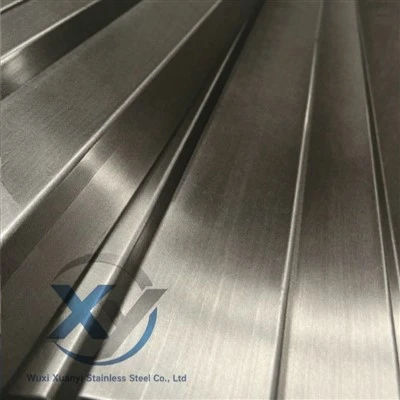
First, let’s cut to the chase: most people think stainless is just for fancy kitchens or medical gear, but that’s a total myth. When you’re dealing with agricultural settings, the number one enemy of any structural part is corrosion—fast. Think about it: your farm’s parts are exposed to all the worst stuff on a daily basis. There’s fertilizer (the stuff that’s supposed to make crops grow, but it’s basically a corrosive cocktail of nitrogen, phosphorus, and potassium), road salt if you live in a cold climate, wet, muddy soil that sits on parts for days, manure that lingers in feed troughs or livestock pens, and even regular rain that’s often slightly acidic these days. Regular steel? It rusts through in a couple of years—maybe even one if you’re running heavy machinery or exposing it to harsh chemicals. Aluminum is lighter, but it dents easy and can’t hold up to the constant pounding of farm work, like a trailer hitch taking 500-pound loads back and forth.
Stainless steel, though? It’s made to resist corrosion because it has chromium in it—like 10.5% or more— that forms a thin, invisible oxide layer on the surface. If that layer gets scratched, it just repairs itself, no touch-ups needed. I’ve had a farmer drive 2 hours to my warehouse last month, showing me a stainless steel frame he’s used for his hay baler for 7 years. It had been caked in fertilizer, rained on every week, dragged through mud, and not a single spot of rust. Compare that to his old galvanized steel frame that rotted out after 2 seasons—he’d spent more on replacements and downtime than he spent on the stainless part upfront. That’s the big win right there: less replacing, more time actually farming.
But wait, let’s not pretend stainless is perfect. A lot of new farmers or people on tight budgets will say, “It’s too expensive.” Yeah, initial cost is higher than basic steel—no denying that. But here’s the thing: calculate the total cost over 5 years, not just the price tag today. If a galvanized steel bracket costs $5 and lasts 2 years, that’s $12.50 over 5 years. A stainless steel bracket that costs $18, but lasts 10 years? That’s $9 total. Way cheaper in the long run. Plus, downtime is huge. If your tractor’s lift arm snaps because of rust, that’s a day or two waiting for a welder, missing a planting window, losing crops. I’ve seen farmers lose thousands because a cheap part failed at the wrong time. Stainless eliminates that risk for the most part.
What about specific parts farmers actually use? Let’s get concrete (pun totally intended) here. Livestock equipment is a big one. Feed troughs, pen partitions, gate hinges—all of these are constantly exposed to manure, urine, and water that’s been standing in the trough for hours. Regular steel troughs get rusty, which can make livestock sick if they ingest it, plus you have to scrub them way harder to get the rust off. Stainless steel troughs? They’re easy to wipe down, no rust, and they don’t leach any weird stuff into feed or water. We just supplied a 40-foot stainless steel feed bunk to a dairy farm in Iowa, and the owner told me he used to replace his steel bunks every 3 years—now he expects this one to last 20+.
Then there’s farm machinery parts: trailer frames, hitch receivers, auger tubes, loaders. I once had a row crop farmer tell me he used to have to sandblast and repaint his steel trailer frame every spring, which took 2 full days he could’ve spent planting. Now he uses a stainless steel trailer frame, no sanding, no repainting, just a quick power wash once a month. That’s time he gets back in the busiest season. Even for irrigation systems—pipe fittings, valve bodies, pump mounts—stainless doesn’t corrode in the groundwater or treated water most farms use. Galvanized pipe can get clogged with rust in 5 years, cutting water flow to your crops. Stainless? No clogging, consistent water flow.
What about the downsides, though? Be real. Stainless is heavier than aluminum, so if you need super lightweight parts for something like a small garden tractor, it might not make sense. And certain types of stainless (like 304, which is the most common) are actually more prone to corrosion if they’re exposed to high levels of salt—so if you’re a farm near the coast where salt spray hits all the time, you’d want to go with 316 stainless, which has extra molybdenum to resist salt corrosion. That’s a good example of why it’s not a one-size-fits-all thing—you don’t need to drop extra cash on high-grade stainless if you’re just making small brackets for a backyard garden, but if you’re running a 10,000-acre operation, 316 for salt-exposed parts is worth every penny.
Another thing: a lot of farmers worry about welding or custom parts. I hear, “Stainless is too hard to weld, I don’t have a welder who can work with it.” First of all, that’s a myth. If you work with the right grade of stainless, it welds just like mild steel—you just use the right filler rod. And as a supplier, I don’t just sell you a part and dip. I help farmers pick the right grade, and I can even supply pre-welded custom parts if you don’t have the skills on hand. Last quarter, we had a farmer who needed a custom stainless steel frame for his small-scale orchard sprayer—he didn’t have time to learn welding, so we cut it to size, welded it, and even gave him a quick tip sheet on maintenance. No hoops, no hidden fees, just service that actually fits farm life.
Wait, what about environmental stuff? A lot of farmers are big on sustainability these days, and that’s something I’ve noticed more of lately. Stainless steel is 100% recyclable, no quality loss. When you’re done with a stainless part in 20 years, you can melt it down and use it for something else—no waste. Galvanized steel can have coatings that are hard to recycle, and aluminum, while recyclable, has a higher carbon footprint to produce than stainless? Wait, no, actually let me fact-check that real quick (I do this all the time for customers)—the carbon footprint of stainless is pretty low because a lot of it’s made from recycled scrap, and since it lasts way longer than other metals, you don’t have to produce new parts every couple of years, which cuts down on overall emissions. That’s a huge plus for farmers trying to lower their farm’s environmental impact, not just their operating costs.
I don’t want to sugarcoat it, though. If you’re a new farmer working with a tiny budget, or you need a cheap, temporary part for a one-time job, stainless might not be the move. But for anything you’re going to use regularly, for multiple years, that’s exposed to harsh conditions? It’s a no-brainer. I’ve had customers come back to me 5 years later, saying they laughed at the price tag at first, but now they won’t use anything else. Just last week, a hog farmer from Indiana brought in a rusted steel gate hinge he replaced, and held up the new stainless hinge—said that hinge has already saved him 10 hours of fixing broken gates this year alone. The math doesn’t lie.
Another common question: “Can stainless steel handle heavy loads?” Absolutely. It’s strong—stronger than many people think. We supply stainless steel load-bearing brackets that hold up 10,000 pounds with no flex. I’ve seen a grain bin in Nebraska that’s had stainless steel support columns for 15 years, holding 50,000 bushels of corn, no issues. That’s not a gimmick, that’s real strength for real farm work.
Let’s wrap this up without the stuffy conclusion, because at the end of the day, this is about your farm, not a textbook. Stainless steel structural parts aren’t for every single farm part, but they’re the best pick for anything that needs to last, handle harsh ag conditions, and save you time and money long-term. The initial cost stings a little, but think of it as an investment, not an expense. It’s the difference between spending every spring fixing broken parts and spending that time tending to crops, feeding livestock, and actually running your farm.

If you’re tired of replacing rusted parts, dealing with downtime, and paying for repairs that add up year after year, let’s chat. I can help you pick the right grade of stainless for your specific needs, whether you need custom parts, standard brackets, or something in between. No pressure, no sales pitches—just real advice from a supplier who works with farmers, not just big corporations. Don’t waste another season on parts that let you down.
Stainless Steel Bar References:
- American Iron and Steel Institute. (2022). Stainless Steel for Agricultural Applications. Retrieved from industry technical reports
- National Agricultural Statistics Service. (2021). Farm Equipment Maintenance and Replacement Costs for U.S. Crop and Livestock Operations.
- International Organization for Standardization. (2019). ISO 15510: Stainless Steels — Compositions.
Wuxi Xuanyi Stainless Steel Co., Ltd.
Wuxi Xuanyi Stainless Steel Co., Ltd. is one of the most professional stainless steel structural parts manufacturers and suppliers in China. With abundant experience, we warmly welcome you to wholesale bulk durable stainless steel structural parts made in China here from our factory. If you have any enquiry about cooperation, please feel free to email us.
Address: Room 1207, Building 11, Shengang Metropolis Plaza, No. 299 Fangcheng Avenue, Xinwu District, Wuxi City,China.
E-mail: jscherryxy@163.com
WebSite: https://www.xuanyisteel.com/
