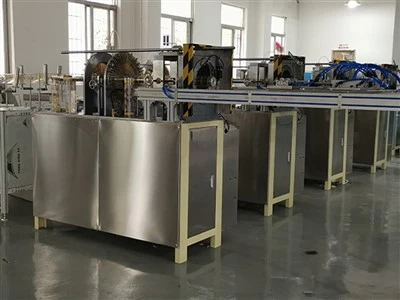
If you’re a packaging company that’s recently invested in a round packaging box forming machine (or planning to), you already know it’s not just a fancy piece of gear—it’s your ticket to cranking out consistent, high-quality round boxes for cosmetics, baked goods, gourmet candles, or whatever your clients need. But here’s the thing: even the most reliable machine won’t perform well if your operators don’t know how to handle it right. I’ve been supplying round box forming machines for over 10 years, and way too many times I’ve had clients call me panicking because their new machine is running slow, jamming, or spitting out lopsided boxes—all because their team was never properly trained. Round Packaging Box Forming Machine
Today, I’m breaking down how to train your operators so you get the most out of your machine, no headaches, no lost production time. This is stuff I’ve learned from working with hundreds of packaging teams, so it’s practical, not just textbook jargon.
First off, start with the “onboarding basics” before your machine even hits the floor. When we deliver a machine to a new customer, we always send a lead tech to do an on-site walkthrough, but I’ve seen companies waste that chance by rushing operators in for a 10-minute Q&A. Don’t do that. Assign a dedicated “power operator” first—this should be someone who’s mechanically inclined, pays attention to details, and won’t get intimidated by buttons and dials. This person will be the go-to for the rest of the team, so pick someone who’s willing to learn, not just the first person available.
For this first training block, keep it hands-on, not just sitting in a conference room watching a video. Walk through every part of the machine: the roll feeder (that’s where your cardboard, paperboard, or corrugated stock feeds in), the former molds (the round parts that shape your boxes), the adhesive system, the cutter, and the output conveyor. Don’t skip the small stuff—like how to load a new roll of stock without misaligning it, or where the safety interlocks are (super important, don’t ignore those). I always tell new operators: “This machine is fast, but it’s not worth getting hurt for. Safety isn’t an afterthought—it’s the first thing you learn.”
Once your power operator gets the basics down, move on to the core training: running test jobs. This is where mistakes are okay, so let them mess up on a test run, not on a client order. Pick a simple job first—like a small round box for a candle, which uses thin, easy-to-feed paperboard. Have them run a 50-piece test run, and walk them through every step: adjusting the feed speed so stock doesn’t bunch, tweaking the mold size if the boxes are too tight, and checking the adhesive application (too little glue means boxes come apart, too much makes a mess).
Here’s a common mistake I see: operators only learn one job, so when a client asks for a different size box, they freeze. Make sure training includes running 3-4 different jobs—different materials, different box sizes, different run speeds. That way, when you switch jobs, your team doesn’t waste hours fumbling with settings. Pro tip: keep a quick “job guide” cheat sheet for each common run—write down the feed speed, adhesive amount, and mold adjustments for that box size, tape it to the machine, so even new operators can glance at it.
Next up: troubleshooting, not just fixing big problems. Most machine downtime isn’t from a broken part—it’s from small, easy-to-fix issues. A round box machine will jam if stock is misfed, if the adhesive is too thick, or if a small piece of cardboard gets stuck in the cutter. Teach your operators how to spot warning signs before they become problems: if the feed roller is squeaking, check for dust buildup; if boxes are coming out slightly lopsided, check if the molds are aligned.
I always include a “troubleshooting cheat sheet” in every machine’s manual (we make sure of that) that lists the most common issues and quick fixes. For example: if boxes are splitting at the seam, that means the adhesive is too dry when it’s folded—lower the glue drying time or warm the adhesive slightly. If the output is backing up, slow the conveyor speed a little instead of forcing more boxes through. Train your team to stop the machine immediately if something feels off—don’t wait for a jam that will take 20 minutes to clear.
Another big part of training: preventative maintenance. A lot of operators think maintenance is “someone else’s job,” but skipping small checks will kill your machine’s lifespan. Teach them to do a 5-minute pre-run check every morning: wipe down the feed rollers, check the adhesive reservoir level, make sure safety guards are in place, and tighten any loose bolts. Do a deeper check once a week: lubricate the mold gears, clean the cutter blades, and inspect the stock guides for wear.
When we train operators, we use a simple “preventative maintenance checklist” that’s tailored to round box machines—no generic industrial stuff. It includes things specific to round forming: checking the round molds for dents (even a tiny dent will make a lopsided box), making sure the rotational parts (the parts that spin the molds) are lubricated, and clearing any cardboard dust from the sensors (dust messes with the sensor that detects stock alignment, causing misfeeds).
Now, for the rest of your team: don’t only train the power operator. Once that person is comfortable, have them do a “train the trainer” session with the other machine operators and helpers. That way, you don’t have to send our tech back every time a new hire starts. Make these refreshers informal—do a 30-minute huddle once a month to go over a recent issue, or a hands-on session to practice a new job. I also recommend shadow shifts: let new operators watch an experienced one run a job for a few shifts before they’re in charge, so they can ask questions without pressure.
Wait, what about when you upgrade or replace parts? A lot of operators get stuck using the same settings forever, so when you install a new cutter blade or adhesive pump, they don’t know how to adjust. Make sure training includes how to replace common parts—like roll holders, cutter blades, and adhesive nozzles—so operators can handle small replacements on their own, instead of waiting for a service call.
And here’s a trick that works: track performance after training. For the first month, keep a log of how many pieces the machine runs, how many jams, and how many defective boxes. If you see a spike in defects after a shift change, that means your new operators need more refreshers. We also like to send quick tips via text or email after delivery—like “Heads up, the new batch of thick paperboard needs a 10% slower feed speed” — little reminders that keep your team from making avoidable mistakes.
I’ve been in this game long enough to know that even the best machine is only as good as the people running it. I’ve had customers tell me that after proper training, their machine’s output went up 30% and defects dropped by half. That’s the whole point—you invest in a round packaging box forming machine to grow your business, and good operators make that investment pay off.
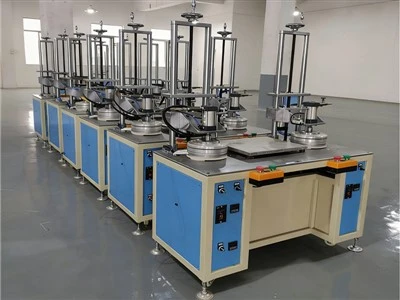
If you’re setting up a new machine, or your current team is struggling to get the most out of yours, don’t leave it to guesswork. Reach out, and we can help you set up a custom training plan tailored to your machine and team. Whether it’s on-site training for your operators, refreshers for new hires, or troubleshooting sessions, we’ve got you covered so your machine runs smoothly, your team stays safe, and you can meet your clients’ deadlines.
Round Packaging Box Forming Machine References
- Packaging Machinery Association. (2022). Operator Training Best Practices for Flexible Packaging Equipment.
- Journal of Manufacturing Processes. (2021). Training Efficacy for Industrial Forming Machines: Hands-On vs. Lecture-Based Methods.
- U.S. Occupational Safety and Health Administration (OSHA). (2023). Safety Training Guidelines for Industrial Packaging Machinery.
Titagong (Dongguan) Machinery Co., Ltd.
We are one of the most reliable manufacturers and suppliers of round packaging box forming machine in China. With abundant experience, we warmly welcome you to buy bulk high quality equipment in stock here and get pricelist from our factory. For price consultation, contact us.
Address: No.149, Qingyi Road, Qingxi Town, Dongguan City, Guangdong Province, China
E-mail: shuaizoe@gmali.com
WebSite: https://www.titagonggroup.com/
