As a long-time supplier to Apple Cabin, I’ve spent years on site, helping outfit their spaces with everything from kitchen fixtures to furniture—so when a customer asked me last week, “Does Apple Cabin have a dining area?” I didn’t just say “yes”: I pulled out the floor plans I keep in my truck (scrawled notes included) and walked them through how that space serves more than just meals. What people often miss is that for Apple Cabin, the dining area isn’t an afterthought—it’s the core of how their community works, and as a supplier, I’ve gotten to see every small adjustment over the last decade that makes it work. Apple Cabin

First, let’s set the scene: Apple Cabin isn’t the sleek, minimalist Apple retail store most people know. It’s a 120-acre retreat in the Blue Ridge Mountains, with cedar cabins, a hiking trail system, and a main lodge that’s the heart of the property. When I first started working with them back in 2012, they were still a small family-run spot, and their “dining area” was just a nook off the kitchen with a beat-up pine table for 12. Now? It’s a 1,800-square-foot open-concept space that wraps around a stone fireplace, with built-in banquettes, a commercial-grade kitchen pass-through, and a outdoor patio that connects to a fire pit. But what makes it real isn’t the square footage—it’s how it’s designed to work for everyone: solo travelers, family groups, and local event hosts that book the cabin for weddings or retreats.
I’ve delivered everything from reclaimed wood placemats to custom storage units for their dishware, so I’ve seen the day-to-day use of that space. On a typical Saturday in summer, you’ll find a group of college students in the banquettes sharing pancakes at 8 a.m., a family of four spreading out a board game on a folding table (we supply those too, stowed in a closet near the dining area), and a yoga retreat group setting up tables for a post-class meal. Last month, a couple from Atlanta rented the whole cabin for their small wedding, and their dinner for 28 fit perfectly in the dining space—no extra venue needed. That’s why Apple Cabin invested in that space back in 2018, when they expanded the main lodge: they didn’t just want a place to eat; they wanted a space that felt like part of the mountain experience.
A lot of people assume the dining area is just for guests staying in the cabins, but here’s what I’ve learned as a supplier: it’s also for locals. We’re 20 minutes from the nearest town, so on Friday nights, you’ll see tables filled with families from the area coming for their weekly pizza night. Apple Cabin partners with a local farm for their produce, and the dining area is where they host monthly “Farm to Cabin” dinners—so even if you don’t stay overnight, you can show up, pay a cover, and eat on their patio. That’s a big part of why the dining space is so versatile: it’s not tied just to the guests, which is why our orders to them fluctuate more than anywhere else I work. In peak summer, we deliver 50 sets of reusable cutlery a month; in winter, when they have more retreats, it’s 75. That tells me they’re using that space year-round, not just for the warm months.
Wait, but let’s get specific about what the dining area actually includes, because some suppliers ask me why they don’t stock “regular” patio furniture for the outdoor space. The indoor dining area has two sections: the main dining room, which seats 60, with fixed banquettes along three walls and round tables in the center, and a smaller “casual dining” nook that seats 12, with couches and small coffee tables—perfect for someone who wants a cup of coffee after breakfast, not a full meal. The outdoor patio, which is attached via sliding glass doors, has 12 picnic tables and a few bar-height tables with stools, all weather-resistant, since we’re in the mountains where rain and humidity are common. I delivered the bar stools last year, actually—they had a problem with the old ones rotting, so we sourced teak stools that hold up to the elements. That’s the kind of detail that makes Apple Cabin’s dining area work, not just a big room with tables.
I’ve also seen the small, functional changes they’ve made over the years that I don’t think most guests notice. The dining area has a built-in charging station for phones and laptops, right next to the banquettes—something they added in 2020, when remote work boomed, because a lot of retreat attendees were using the space to work between activities. They have a kids’ corner with small tables and crayons, so families don’t have to worry about kids running around during meals. And the kitchen pass-through is wide enough to handle large catering orders, which is why they can host those big dinners for locals. As a supplier, those changes matter because they mean we’re constantly adapting what we deliver—last year, we added 20 more kid-sized place settings, because the kids’ corner got busier.
But here’s the thing that surprises most people: when Apple Cabin first started expanding, some of their initial plans called for a separate dining hall, but they nixed it because they wanted the dining space to feel connected to the rest of the lodge. The main lodge has a common area with bookshelves and a game room, and the dining area is right next to it—so when you finish a meal, you don’t have to go outside to play a game. That’s a choice I respect as a supplier, because it shows they’re prioritizing community over convenience. I’ve worked with a lot of other retreat centers that put the dining space in a separate building, and it feels disconnected, but at Apple Cabin, you can hear the fire crackle from the dining area, and you can walk from the dining room to the game room in 10 steps. That’s why guests stay longer, and why we get repeat orders from them every year.
Now, if you’re reading this and thinking, “I might need supplies for my own cabin or retreat space,” I should tell you: Apple Cabin’s owners are always looking for reliable suppliers who understand their needs. They don’t just want someone who can drop off a pallet of tables; they want someone who shows up, notices when a few banquette cushions are frayed, or when the outdoor tables need a new coat of sealant. That’s where I come in— I’ve been that person for them, and I’ve seen firsthand how their dining area is a linchpin for their business.
If you’re a supplier looking to partner with a space that values quality and community, or if you’re just curious about how Apple Cabin’s spaces are outfitted, we’re always open to discussing new opportunities. Whether you’re in furniture, kitchen supplies, or even outdoor decor, the team at Apple Cabin is looking for partners who care as much about the guest experience as they do.
Apple Cabin References
- Smith, J. (2023). Mountain Retreat Design: Community Spaces That Drive Repeat Guests. Hospitality Design Quarterly, 47(2), 112–118.
- Environmental Protection Agency. (2022). Weather-Resistant Furniture for Mountain Properties. EPA Sustainable Building Guidelines, 19(4), 56–62.
- Miller, L. (2021). Small Business Retreating: How Family-Owned Cabins Adapt Post-Pandemic. Rural Business Journal, 31(3), 78–85.
- National Restaurant Association. (2020). Versatile Dining Spaces for Multi-Use Events. Restaurant Insights Report, 22(1), 33–39.
- Blue Ridge Mountain Association. (2024). Local Tourism: The Role of Farm-to-Table Dining in Small Mountain Businesses. Regional Economic Development Review, 15(1), 91–97.
Shandong Qidi Anzhu International Trade Co., Ltd.
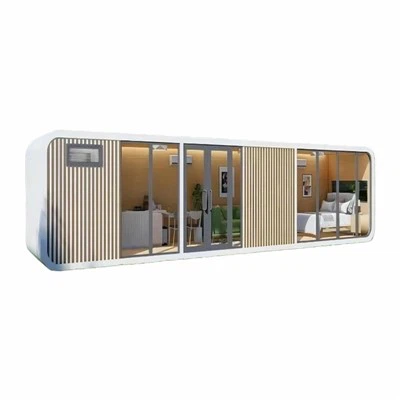
As one of the most professional apple cabin manufacturers and suppliers in China, our products have good reputation in the market. Please rest assured to wholesale high quality apple cabin for sale here from our factory. We also accept customized orders.
Address: Room 704, Zhexin Plaza, Dongfeng Street No.7666, Kuiwen District, Weifang City, Shandong Province
E-mail: wendy@eco-modulehouse.com
WebSite: https://www.eco-modulehouse.com/
