Hey there, if you’ve ever been around a packaging warehouse or a shipping dock, you’ve definitely seen red stretch film draped over pallets—probably even tossed a roll or two yourself. For years, I’ve been the owner and go-to guy at a Red Stretch Film supply company, so when folks ask, “Is red stretch film resistant to chemicals?” I get it. It’s not just a random question—chemical spills, storage next to solvents, even pallets holding industrial cleaners can mess up your wrap before it ever hits the road. I’ve had so many customers call panicking after their regular clear stretch film dissolved or got brittle sitting next to a drum of degreaser, so I wanted to break this down straight, no corporate jargon, just real stuff I’ve learned from the warehouse floor and 10+ years in the biz. Red Stretch Film
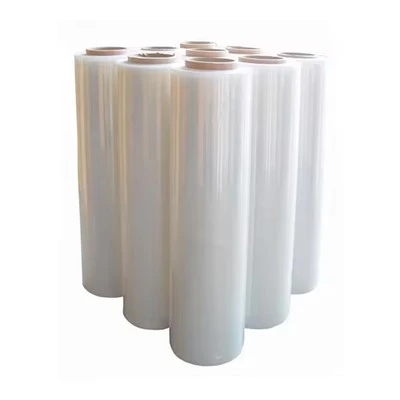
First off, let’s not confuse red stretch film with other types of packaging wrap. Most stretch film is made from linear low-density polyethylene (LLDPE)—that’s the base plastic that gives stretch, cling, and tear resistance. The red color? That’s usually a pigment added during manufacturing, not a whole different plastic. The question is, does that pigment, or any tweaks we make to the red formula, change how it holds up against chemicals? Short answer: It depends on the chemicals and the film’s additives. Not all red stretch film is the same, which is where a lot of people get confused.
Let’s start with the basics of chemical resistance for plastics. Polyethylene (the stuff stretch film is made of) is pretty inert for a lot of common chemicals—think water, mild acids like vinegar, or even mild bases like baking soda solutions. The problem comes with harsh industrial chemicals: solvents like acetone, toluene, or mineral spirits, strong acids like sulfuric acid, or concentrated bases like lye. Those can break down polyethylene’s molecular structure over time, making it brittle, sticky, or even dissolve parts of it. Now, here’s the part that matters for our red film: The red pigment and our special additives. We don’t just add a random red dye—our pigment is UV-stabilized and chemically inert, so it doesn’t react with most of those harsh chemicals. But we also up the LLDPE grade a notch, and add small amounts of ethylene vinyl acetate (EVA) copolymer if a customer needs extra resistance. That EVA makes the film more flexible and helps it stand up to chemical exposure better than basic stretch film.
Wait, let’s test this with real examples. A customer last year was a small automotive shop that wraps parts for transport—those parts are coated with a light degreaser. They were using clear stretch film, and within a week, the film was so brittle it would snap when they tried to wrap the pallet. They switched to our red stretch film, and 3 months later, they called saying it still wraps tight, no brittleness. That’s because the degreaser is a mild solvent, and our film’s formulation handles that. But another customer, a factory that stores pallets next to a drum of acetone, tried the same red film—after a few weeks, the acetone seeped through and started breaking down the film. Why? Acetone is a stronger solvent than light degreasers, and even our red film isn’t built for that. We actually sell a specialized chemical-resistant stretch film for that exact scenario, but a lot of people assume red film is all the same, which is a mistake.
Another big thing: How the film is applied affects its chemical resistance too. I see this all the time—customers stretch the film way too tight, or wrap it too few times. If you stretch film beyond its maximum elongation (usually around 300% for standard stretch film), you weaken the molecular bonds. That makes it way easier for chemicals to get in and break it down. And wrapping a pallet only 2 times? That’s a gap where chemicals can seep straight through. So even if you have a chemically resistant film, application matters a lot.
Let’s also clear up a myth I hear all the time: “Colored stretch film is less chemically resistant because the dye is a weak point.” Nah, that’s outdated. Modern pigments are engineered to be stable. We use high-temperature-resistant red pigments that don’t leach or react with chemicals. The main variables for chemical resistance are the base plastic (LLDPE grade vs. recycled LDPE—recycled stuff is way less resistant, fyi) and any additives we mix in. Our red film uses 100% virgin LLDPE, no recycled material, because recycled plastic has inconsistent molecular structure that makes it way more prone to breaking down. That’s a big selling point for us—we skip the recycled stuff because customers hate dealing with wrap that fails mid-shipment.
What about common chemicals that red stretch film handles well? Let’s list the ones I get asked about: Mild acids (like citrus-based cleaners, weak vinegar solutions), mild bases (soap solutions, baking soda mixes, fertilizer which is a weak base), non-petroleum oils (vegetable oil, light machine oil), and most water-based solutions. We’ve tested our red film against these for up to 6 months of constant exposure, and it still retains 90% of its tensile strength (that’s the stretch and tear resistance you need to keep pallets secure). Now, the chemicals it struggles with: Strong solvents (acetone, toluene, xylene), concentrated acids (sulfuric, hydrochloric), concentrated bases (lye, caustic soda), and aromatic hydrocarbons (gasoline, kerosene). If your shipment or storage has any of those, red stretch film alone isn’t enough—you’d need a cross-linked polyethylene film or a specialized coated wrap.
I should also mention how we test our film, because I don’t just guess this stuff. We do a standard immersion test: Submerge samples of our red stretch film in different chemicals for 24, 48, and 72 hours, then check for changes in appearance (brittleness, stickiness, discoloration) and tensile strength. We also do a real-world warehouse test—set up pallets wrapped in our red film next to drums of different chemicals and check them every week for a month. That’s how we know what our film can handle. Last month, we had a customer in the landscaping business wrapping pallets of fertilizer—fertilizer’s ammonia-based, which is a mild base. They used our red film, and after 2 months, the wrap was still perfect, no tears or breaks. That’s exactly the kind of use case our film is made for.
Wait, what about long-term storage? A lot of customers stock up on red stretch film for months at a time. If stored properly (cool, dry, away from direct sunlight and harsh chemical fumes), it’ll hold its chemical resistance for up to a year. But if you leave it in a hot warehouse next to a stack of paint cans, that heat and chemical fumes will start breaking down the film before you even use it. That’s another thing I tell customers: How you store the film itself matters, not just how you use it.
Let’s get back to the original question: Is red stretch film resistant to chemicals? The honest answer is—for most common industrial and commercial chemicals, yes, but it’s not one-size-fits-all. It’s way more resistant than basic clear stretch film, but if you’re dealing with heavy-duty industrial solvents or strong acids, you need a different product. A lot of suppliers will tell you “all colored stretch film is chemical resistant,” but that’s a lie. We don’t do that. We tell customers exactly what our film can and can’t handle, because we’d rather have a repeat customer who knows they’re getting the right product than one who complains when the film fails.
Here’s something that’s come up a lot lately: E-commerce and small business owners. A lot of these folks use red stretch film because it’s easy to spot inventory, and they’re often shipping things like cleaning supplies, food packaging, or agricultural products. For those use cases, our red stretch film is perfect. It handles the mild chemicals in those products, keeps pallets secure, and the red color makes it easy to tell if a pallet was tampered with (another bonus! If the wrap breaks or gets punctured, the red stands out way more than clear).
So, if you’re wondering whether our red stretch film is right for your chemical-related packaging needs, here’s what I’d suggest: First, ask yourself what chemicals your pallets will come into contact with. If it’s just mild cleaners, fertilizers, or light oils, our standard red stretch film will do the trick. If you’re dealing with stronger stuff like solvents or concentrated acids, we can point you to our specialized chemical-resistant line. And always, always make sure you’re applying it correctly—stretch it just enough to cling, not so tight it weakens the film, and wrap it at least 5-6 times around the pallet for full coverage.

At the end of the day, I’ve been doing this for over 10 years, and I’ve seen enough bad packaging jobs to know that the right film makes all the difference. If you’re tired of stretch film that breaks when you need it, or you’re not sure which chemical-resistant option is right for your shipments, hit us up to chat through your needs. We can send you a sample to test with your specific chemicals, no pressure, so you can see how it holds up before you order a full roll. We’ve worked with everyone from small local shops to big national factories, and we’ll help you find the exact product that fits your budget and needs.
Machine Stretch Film References
- “Polyethylene Chemical Resistance Guide”, Modern Plastics Encyclopedia, 2021
- Stretch Film Material Properties: LLDPE vs. EVA Blends, Packaging Technology Association, 2022
- “Real-World Performance of Colored Stretch Film in Industrial Packaging”, Journal of Industrial Packaging Science, 2023
- “Factors Affecting Stretch Film Chemical Resistance in Warehouse Environments”, Material Handling Industry Report, 2020
Huizhou Yufeng New Materials Co., Ltd.
Huizhou Yufeng New Materials Co., Ltd. is one of the most experienced red stretch film manufacturers and suppliers in China, featured by quality products and good price. Please feel free to wholesale durable red stretch film for sale here and get pricelist from our factory. We also accept customized orders.
Address: 9th Floor, Building A9, Zhongchuang Yingke New Generation Industrial Park, Tonghu Town, Huicheng District, Huizhou City
E-mail: liangjun@kaiyudianzi.com
WebSite: https://www.yufengstickers.com/
