Hey guys, let’s cut to the chase—if you’re dealing with an overheating PV combiner box, you’re not alone. I’ve been in the PV game for over 10 years now, running this company that supplies combiner boxes (you know the one), and I’ve seen every single headache from midday solar meltdowns to breakers tripping so hard they leave black marks on the panel. Here’s the thing: overheating isn’t just an inconvenience—it’s a fire risk, and it can tank your system’s output faster than a cloud covers the sun. So let’s walk through what actually causes this, and how to fix it, with stuff I’ve tested on hundreds of boxes, not just textbook jargon. PV Combiner Boxes
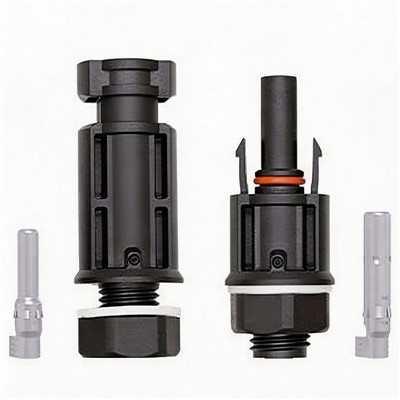
First, let’s get one thing straight: a combiner box is just the middleman between your solar panels and your inverter. It takes all the DC power from each panel, combines it, and sends it on its way. But that means it’s handling high voltage and current 24/7, and if something’s off, that’s where the heat starts. I’ve had installers email me at 2 a.m. panicking because their new box hit 140°F on a 90°F day, and 9 times out of 10, the fix is way simpler than they think. Let’s break down the most common culprits first, because you can’t fix something if you don’t know why it’s breaking.
First up—loose connections. This is the #1 cause of overheating, hands down. When you crimp a wire into a terminal, if it’s not tight enough, you get what’s called resistance. And when electricity hits resistance, it turns into heat—simple physics, right? I’ve seen installers skip tightening terminals with a torque wrench because they “looked tight” or “didn’t want to strip the wire,” and that’s a huge mistake. Last year, a guy brought back 12 new boxes from a 500-panel farm because they were overheating, and every single one had loose PV input terminals. The crimps were shiny, not the dull, firm kind that means metal is welded together. Pro tip: we include a torque wrench with every commercial box we supply now because we’ve had too many of these cases. Don’t guess—use a torque wrench, and follow the spec (usually 10-15 Nm for PV wires, check the box manual).
Next, undersized wires. I know, I know—everyone wants to save a buck on wire, but undersized DC wires mean more resistance, more heat. Let’s say you have a string of 20 panels running 150 feet from the array to the combiner box. If you use 10-gauge wire instead of 8-gauge, that extra resistance will make the box’s bus bars work way harder, and before you know it, the breaker is warm to the touch. I once had a residential installer call me because their 4-panel system’s combiner box was at 135°F on a mild 75°F day. Turns out they ran 12-gauge wire (way too small for 4 panels) and it was pulling too much current through the box’s bus bar. Swapped the wire, and the box stayed at a steady 90°F max—no more issues. Rule of thumb here: calculate the voltage drop for your wire length, and never go smaller than the NEC spec for PV systems. If you’re not sure, hit me up—we do free wire sizing checks for anyone who buys boxes from us, no fine print.
Third, bad ventilation or mounting. This is another big one that’s easy to miss. A lot of installers mount combiner boxes in tight spots—like under a metal roof, or in a corner where hot air can’t escape. PV boxes are designed to vent, so if you trap all that heat inside, it’ll build up fast. I’ve seen boxes mounted flush to a wall with no gap, so the back of the box (which has all the hot bus bars) is pressing against concrete—no airflow, no cooling. The fix here is simple: mount the box with at least 6 inches of clearance on all sides, avoid metal enclosures that trap heat (we use powder-coated aluminum for most of our boxes, which breathes better than steel), and never tuck it under a roof overhang where it gets direct, intense sun all day. Last summer, a commercial farm swapped their old steel box for our aluminum one, and their operating temp dropped 18°F just from the better mounting and box material—no other changes.
Then there’s faulty components inside the box. Breakers, fuses, surge protectors—if any of these are bad, they can cause extra resistance or even a partial short, which makes heat spike. I had a guy last year who kept swapping out overheating breakers, only to find that the surge protector inside the box was cracked and leaking. The surge protector was arcing a little every day, which generated heat, and it was transfering that to the whole box. He replaced the surge protector, and the problem was gone in 24 hours. Another thing: if your boxes are old (like 5+ years), the breakers can wear out, their contact points get corroded, so they don’t connect properly. We recommend testing components every 2 years with a multimeter, not just looking at them—visual checks aren’t enough for small corrosion.
Okay, so now you know the main causes. Let’s get to the actual step-by-step fixes, the stuff you can do right now, no fancy tools needed (well, except a torque wrench and a multimeter, which every good installer already has). First, safety first—always turn off the DC disconnect and the inverter before touching anything inside the combiner box. I can’t stress that enough; DC power is no joke, even when the sun’s not shining.
Step 1: Do a quick visual and thermal check. Grab a non-contact infrared thermometer (they’re like $20 on Amazon, worth every penny) and check the temp of every terminal, breaker, and bus bar. Normal operating temp is 10-15°F above ambient air temp—if it’s more than that, that’s a red flag. Also, look for any burn marks, shiny crimps, or loose wires sticking out of terminals. That’s your loose connection, probably.
Step 2: Torque every single terminal. This is non-negotiable. For each PV input wire, the string’s positive and negative terminals, the main output wire, the breaker lugs—all of them. Follow the box’s spec (we print this on the inside of every door, by the way). Don’t over-torque either—you’ll strip the terminal, which is a whole new problem. Last month, an installer I work with stripped a terminal because he over-torqued, and we had to send a replacement door, but he fixed the loose wire and the box works fine now. Pro tip: write the torque date on the inside of the door with a marker, so you don’t forget to recheck it next year.
Step 3: Check wire size and length. If your wires are the right size (per NEC, per your system’s current), move on. If they’re undersized, upgrade the wire—don’t skimp here. Also, make sure the wires aren’t crimped or damaged along the run; a kinked wire can create extra resistance, same as a loose terminal. If you have any damaged wire, cut it off and re-crimp the end, or replace the section.
Step 4: Fix ventilation and mounting. Move the box if it’s in a tight spot—add clearance, make sure air can flow around it. If it’s on a metal roof, use a mounting kit that lifts the box off the roof so heat from the roof doesn’t transfer to the box. If you live in a super hot climate (like Arizona or Florida), you can even add a small, low-voltage fan inside the box (we sell optional quiet DC fans that trigger when temp hits 110°F) to keep things cool. We’ve had customers in Phoenix use these, and their box temps dropped 25°F on the hottest summer days—game changer.
Step 5: Test and replace faulty components. Use a multimeter to test each breaker, fuse, and surge protector. For breakers, make sure the continuity is good—if it’s flaky, replace it. For surge protectors, if the display says it’s tripped, swap it immediately. Don’t wait— a bad surge protector can take down your whole system, not just overheat the box. I’ve seen that happen once, and it cost a guy $10k in panels and inverters because he ignored a tripped surge protector for 2 weeks. Don’t be that guy.
Now, let’s talk about prevention, because fixing this every 6 months sucks. The best way to deal with overheating is to avoid it in the first place. First, do annual maintenance checks—this isn’t a “set it and forget it” thing. Check terminals every year, test components, check temp with your thermometer. Second, when you’re buying combiner boxes, pick ones that are made for your climate. We design our boxes with extra ventilation in the bottom and top for hot areas, and thicker insulation for colder areas (wait, cold? Yeah, in cold climates, condensation can cause corrosion which leads to heat too—so a box that handles both extremes is better). Third, don’t overload your combiner box. Make sure the number of strings you’re connecting matches the box’s rating—if a box is rated for 8 strings, don’t cram 10 in, that’s just asking for trouble.
I get it, installing and maintaining solar is a lot, and when something goes wrong, it’s tempting to just patch it up and move on. But overheating isn’t something you can ignore—eventually, it’ll cause a breaker to fail, a wire to melt, or even a fire. Last year, there was a story in the solar community about a farm that had a fire because their combiner box was overheating from loose connections, and it destroyed 200 panels. That’s preventable with 10 minutes of checking every year.
If you’re dealing with this right now, and none of these steps fixed it, or you need help sizing wire, picking the right box, or troubleshooting a weird issue—hit me up. I can walk you through it over the phone, or send a tech out if you’re local, but honestly, 90% of overheating problems are fixed with torqueing terminals and good ventilation. We’ve been supplying combiner boxes for 10 years, and we deal with this exact stuff every single day, so we know what works, what doesn’t, and what to avoid. Don’t guess—get the facts, fix the issue, and keep your system running cool.
Distributed DC Fast Charging Systems When you’re ready to upgrade your boxes, restock, or need a quote for a big project, don’t hesitate to reach out. We work with residential installers, commercial farms, and everything in between, and we stand behind every single box we make. No fine print, no hidden fees, just solid gear and real support.
References
- National Electrical Code (NEC) Article 690: Solar Photovoltaic Systems, 2023 Edition
- International Electrotechnical Commission (IEC) 60364-7-712: Electrical Installations of Buildings – Part 7-712: Requirements for Special Installations or Locations – Solar Photovoltaic (PV) Power Supply Systems
- "PV Combiner Box Reliability: Common Failure Modes and Mitigation Strategies" – Solar Energy Industries Association (SEIA), 2022
Tianjin SINELINK New Energy Technology Co., Ltd.
As one of the most professional pv combiner boxes manufacturers and suppliers in China, we’re featured by quality products and low price. Please rest assured to wholesale customized pv combiner boxes made in China here from our factory. For quotation, contact us now.
Address: Rooms 313–315, North Tower, Xin’enhua Tibei Science and Technology Innovation Park, Heiniucheng Road, Hexi District, Tianjin, China.
E-mail: sales@sinelinkenergy.com
WebSite: https://www.sinelinkenergy.com/
