If you’ve ever worked in the heat treatment industry, chances are you’ve come across a muffle heat treatment kiln, but if you’re new to sourcing or specifying industrial kilns, it’s easy to mix this specialized equipment up with other types of furnaces. For the last 12 years, I’ve worked directly with manufacturers, job shops, and metal fabricators to help them select the right kiln for their operations, and one of the most common questions I get is: what makes a muffle kiln different, and when is it the best fit for a heat treatment project? Let’s break it down, starting with the core purpose, how it works, and why it’s a staple for so many critical processes. Heat Treatment Kiln
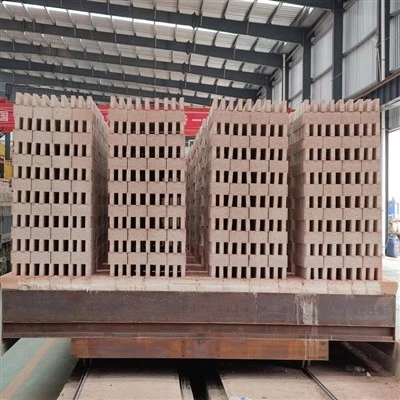
First, let’s start with the basics: a muffle heat treatment kiln is an enclosed, controlled furnace designed to process materials—most often metal parts, ceramics, or even specialized composites—by heating them to precise temperatures in an atmosphere that’s completely isolated from the heating elements. That isolation is what sets it apart from other furnaces, like box furnaces or belt furnaces that expose parts directly to heat and sometimes furnace atmosphere. The “muffle” itself is a sealed, heat-resistant chamber inside the kiln: it’s usually made of dense, refractory materials like alumina-silica brick or high-temperature alloy, built to withstand repeated heating and cooling without cracking or degrading. That chamber holds the parts being processed, creating a barrier between the workload and the hot gases or heating sources that generate the heat.
Let’s talk about why that barrier matters. A lot of heat treatment processes require protecting parts from oxidation, contamination, or surface damage during heating. For example, if you’re hardening steel gears, even a thin layer of scale (iron oxide) on the surface can ruin the gear’s hardness, wear resistance, and dimensional accuracy. A muffle eliminates that risk because you can fill the chamber with a controlled atmosphere—nitrogen, argon, endothermic gas, or even a vacuum, depending on the process—while the heating elements (which might be electric resistance, gas-fired, or ceramic elements) stay outside the muffle, never coming into contact with the parts. That means no scale, no contamination from furnace debris, and consistent, uniform heating across every part in the load.
Muffle kilns aren’t one-size-fits-all, either. They’re categorized by what they’re used for, and that design changes dramatically based on the application. Let’s walk through the most common types our team supplies, to give you a sense of their range. For batch processing of small to medium parts, like fasteners, bearings, or tooling, we often recommend a batch-type muffle kiln. These are the workhorses of shops that process high-mix, low-volume parts: you load a basket of parts into the muffle, seal it, set the temperature, hold time, and atmosphere, and the kiln does the rest. They’re ideal for processes like annealing, tempering, normalizing, and carburizing for small metal components.
For higher-volume, continuous production, like processing automotive pistons, kitchenware ceramics, or large runs of fasteners, we supply continuous muffle kilns—sometimes called pusher kilns or belt-fed muffle kilns. These have a long, tunnel-like muffle chamber, with a conveyor system (roller, belt, or pusher) that moves parts through pre-heat, high-temperature, and cooling zones in a single, automated cycle. That consistency is key for mass production: every part gets the exact same heat exposure, which is critical for industries like aerospace or automotive where part uniformity is non-negotiable. We also offer vacuum muffle kilns for processes like sintering powdered metal parts, brazing aerospace components, or heat treating high-alloy steels. These muffles are made from high-temperature stainless steel or Inconel, and they can pull a vacuum down to 10^-6 torr, eliminating even trace amounts of oxygen for ultra-clean, high-precision parts.
Now, let’s get into how a muffle kiln operates, step by step, because understanding the process helps explain why they’re so valuable. Let’s take the example of a batch muffle kiln used for tempering tool steel, a common process in our industry. First, the operator prepares the muffle chamber: they line it with a shallow layer of refractory brick to catch any debris, load the steel tools into metal baskets, and slide the baskets into the muffle. Once the door is sealed, the kiln’s control panel (which we calibrate to have ±5°F temperature accuracy, a standard we’ve honed over years of working with clients) starts heating. The heating elements, located in the kiln’s outer walls (not the muffle), transfer heat through the muffle walls to the workload inside. During heating, we fill the muffle with 100% nitrogen, a cheap, inert gas that displaces oxygen and prevents oxidation. Once the tools reach the tempering temperature (usually between 300°F and 1,100°F, depending on the steel grade), the kiln holds that temperature for a set amount of time—usually two to four hours—to ensure the entire part’s core is heated evenly. After the hold time, the kiln cools down slowly, again in the nitrogen atmosphere, to prevent thermal shock and maintain the tool’s hardness.
One thing I always emphasize to clients is that muffle kilns aren’t just for heat treatment of metals; we also supply them for ceramic processes, like glazing porcelain or firing technical ceramics for electronics. In these cases, the muffle still protects the workload, but the atmosphere might be slightly different—for example, a low-oxygen atmosphere to prevent discoloration in porcelain, or a controlled oxidizing atmosphere for certain ceramic compounds. That versatility is why muffle kilns are used across so many industries: from medical device manufacturing (where parts need to be biocompatible and free of surface defects) to aerospace (where components must withstand extreme temperatures without degradation).
Now, you might be wondering: why choose a muffle kiln over other types of furnaces? Let’s compare to a non-muffle box furnace, which is the alternative for many small-scale shops. Non-muffle furnaces expose parts directly to the heating chamber’s atmosphere, which means they’re prone to oxidation, contamination from furnace dust or scale, and inconsistent heating because the heat isn’t contained. A client of mine ran a non-muffle box furnace for years, and they had a 15% scrap rate on their hardened steel gears—every batch had 10 to 15 parts with surface scale that had to be reworked or discarded. When they switched to a muffle kiln, their scrap rate dropped to less than 2%, and their rework costs plummeted. That’s a tangible return on investment that’s easy to see, especially for shops that process high-value parts.
Another advantage of muffle kilns is their flexibility. If a shop needs to switch between processing different materials or parts, it’s far easier to adjust the muffle’s atmosphere and temperature than it is with other furnace types. For example, a job shop that runs both steel parts and ceramic components can swap out a muffle liner (if needed) and adjust the gas supply without overhauling the entire furnace. We also design our muffle kilns with easy access to the muffle chamber for maintenance, which means less downtime when parts of the kiln need to be replaced—something that’s a big deal for clients who rely on their kilns to meet production deadlines.
Of course, muffle kilns aren’t perfect. They do have higher initial costs than basic box furnaces, because of the specialized muffle chamber and atmosphere control systems. They also require regular maintenance: the muffle itself will degrade over time, especially if it’s exposed to high temperatures or corrosive atmospheres, and it will need to be replaced every 5 to 15 years, depending on usage. But for most applications where part quality is a priority, the long-term savings from lower scrap rates, consistent output, and reduced rework far outweigh the initial investment.
Let’s talk about how we tailor our muffle kilns to each client’s needs, because that’s what sets our team apart. When a new client reaches out to us, the first thing we do is ask about their process: what materials are they processing, what’s the size and weight of their parts, what temperature range do they need, and what’s their production volume? For a small job shop that processes 500 pounds of steel per month, we’ll recommend a compact batch muffle kiln with a 1,000-pound load capacity, simple controls, and a nitrogen injection system. For a large automotive manufacturer that processes 50,000 pounds of parts per month, we’ll design a continuous pusher muffle kiln with multiple temperature zones, automated atmosphere control, and a conveyor system that’s built to run 24/7. We also offer retrofits for existing kilns, so clients can upgrade their old equipment with a new muffle chamber or control system without buying an entirely new kiln.
Over the years, I’ve seen a lot of clients make the mistake of buying a kiln that’s too small, or one that doesn’t have the right atmosphere control, because they didn’t fully understand their process. For example, a few years back, a small tool and die shop came to us with a box furnace they’d bought from a general industrial supplier, and they were struggling to harden their high-speed steel tools. The furnace didn’t have a muffle, so the tools were oxidizing during heating, and the temperature control was off by ±20°F, leading to inconsistent hardness. We worked with them to design a custom muffle chamber that fit their existing furnace, added a nitrogen injection system, and calibrated the controls to get ±5°F accuracy. Within a month, their tool hardness was consistent across every batch, and their customer complaints about defective parts dropped by 80%. That’s the kind of impact a properly selected muffle kiln can have on a business.
So, who uses muffle heat treatment kilns? The list is longer than most people realize. Aerospace manufacturers rely on them to heat treat turbine blades, which must be free of surface defects to withstand high-altitude temperatures. Medical device companies use them to sterilize and heat treat titanium implants, which need to be biocompatible and free of contamination. Automotive parts makers use them to harden gears, crankshafts, and fasteners, to improve their wear resistance and lifespan. Ceramic manufacturers use them to fire tableware, electrical insulators, and advanced ceramic composites for electronics. Even art foundries use small muffle kilns to melt and heat treat metal for sculptures, because the enclosed chamber prevents contamination.
If you’re in the market for a heat treatment kiln, whether you’re replacing an old one or investing in new equipment, it’s important to work with a supplier who understands the nuances of muffle kilns. Too many suppliers will sell you a one-size-fits-all furnace, but the right muffle kiln is built to match your specific process, not the other way around. We’ve spent years refining our designs, testing materials, and working with clients across industries to make sure our kilns deliver consistent, reliable performance for years.
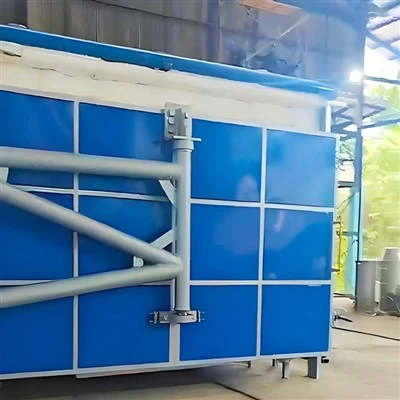
Whether you’re a small job shop looking to reduce scrap rates, or a large manufacturer needing a continuous production solution, our team can help you find the right muffle heat treatment kiln for your needs. We also offer custom modifications, maintenance services, and calibration support to keep your kiln running at peak performance. If you’re ready to discuss your requirements, or just have questions about how a muffle kiln can benefit your operation, don’t hesitate to reach out for a procurement consultation. Together, we can design a solution that fits your process, your budget, and your production goals.
Mobile Energy Saving Rotary Kiln References
- “Industrial Furnaces and Kilns: Selection, Design, and Application,” Industrial Press, 2019.
- Heat Treatment of Metals: Principles and Techniques, ASM International, 2018.
- “Muffle Furnace Technology for Controlled Atmosphere Processing,” Journal of Industrial Heating, Vol. 87, No. 3, 2020.
- “Vacuum Kilns for Sintering and Brazing Applications,” Aerospace Materials and Technology, 2021.
- “Cost-Benefit Analysis of Controlled Atmosphere Heat Treatment Equipment,” Manufacturing Engineering Magazine, 2019.
Henan Yaxin Kiln Co., Ltd.
Henan Yaxin Kiln Co., Ltd. is one of the most professional heat treatment kiln manufacturers and suppliers in China. With abundant experience, we warmly welcome you to buy high quality heat treatment kiln with the latest design from our factory. Good service and punctual delivery are available.
Address: Jixian Industrial Zone, Shangqiu City, Henan Province
E-mail: 1543563178@qq.com
WebSite: https://www.hnyxkiln.com/
