Alright, let’s dive into the question everyone’s been asking lately: Is Cavalry Twill actually good for cargo pants? As someone who’s been supplying this fabric for years, I’ve heard every take—from “it’s too stiff” to “it’s the only thing that holds up when you’re hauling tools through a job site.” Let’s cut the fluff and get real, no corporate jargon here. Cavalry Twill
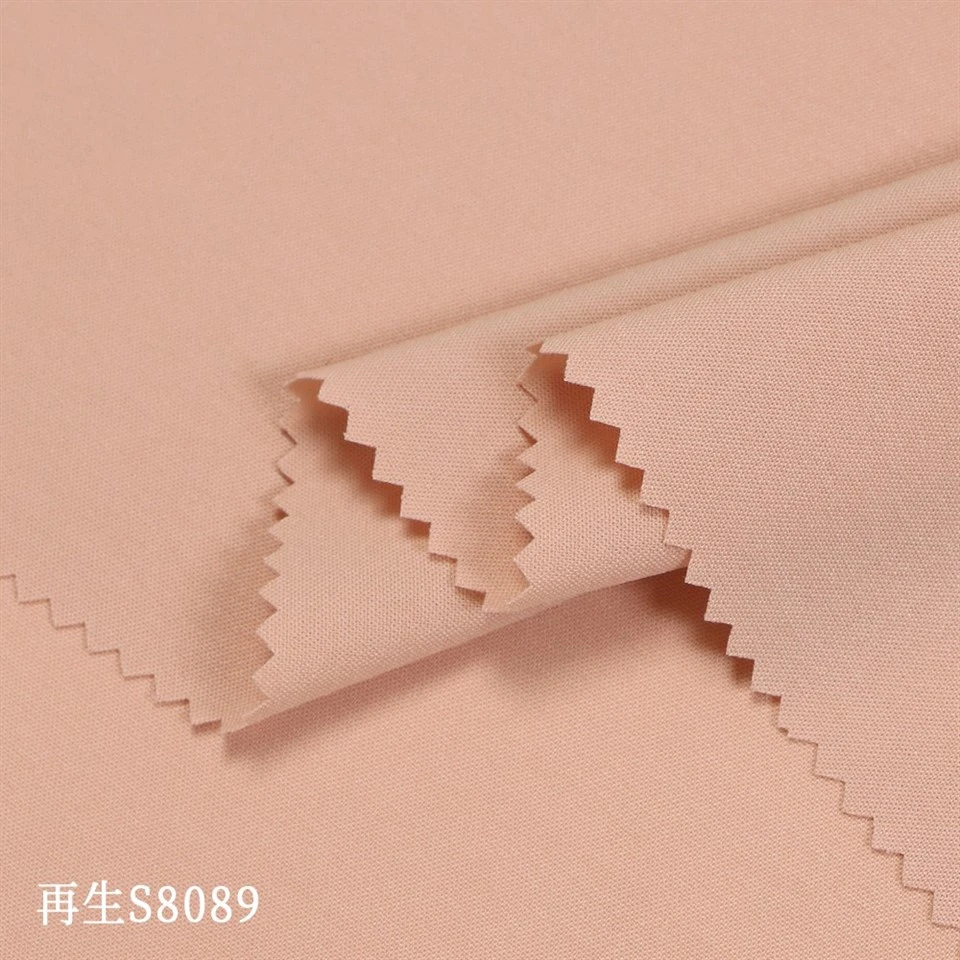
First, let’s break down what Cavalry Twill even is, because a lot of folks mix it up with regular denim or canvas. It’s a heavyweight twill weave, usually made with cotton (sometimes a cotton-poly blend for extra stretch), characterized by that diagonal rib that’s super distinct. The “cavalry” part comes from its old use in military horse riding gear back in the day—yeah, that’s right, it wasn’t just for cargo pants. Back then, it needed to be tough enough to resist snagging on saddle straps and keep soldiers protected while on the move. Fast forward to today, and that same toughness is exactly why it’s perfect for cargo pants.
Now, let’s talk about what makes a great cargo pants fabric. Cargos aren’t like your casual chinos—they need to do a few key things: hold up to abrasion, accommodate those big side pockets (you know, the ones that hold wrenches, phones, maybe a small snack), not sag too much when loaded, and feel comfortable enough to wear all day. Let’s match that up with Cavalry Twill.
Abrasion resistance is the big one here. If you’ve ever worn cheap cargo pants, you know those inner thigh areas start wearing thin after a couple months, especially if you’re climbing ladders, kneeling on concrete, or hauling heavy stuff. Cavalry Twill’s heavy weave is designed to handle that friction. I’ve had customers—construction workers, forestry crew, even delivery drivers—tell me their cargo pants made with our cavalry twill last 2-3 times longer than the ones they bought at big box stores. Why? Because the tight diagonal weave means the threads don’t pull apart easily. Canvas is tough, but it’s bulkier, and heavy canvas can feel like a blanket in hot weather. Regular denim is stiffer at first, but it breaks down faster, especially around the pockets where you’re stuffing and yanking things in and out.
Wait, but what about comfort? Some people say cavalry twill is too rough. Let’s be honest—when it’s 100% cotton, it does have a bit of a break-in period. But here’s the thing: we make a lot of our cavalry twill with a 97% cotton / 3% spandex blend now, and that changes the game. It keeps the heavy weave but adds just enough stretch so the pants move with you, not against you. I’ve seen guys who were skeptical at first switch to our blend after one wear—they say it doesn’t restrict their legs when they’re climbing or bending, but it still doesn’t bag out like a cheap stretch twill. And even the 100% cotton version softens up after a few washes—no longer stiff, just durable.
Then there’s the pocket factor. Cargo pants live or die by their pockets, right? If the fabric is too flimsy, the pockets sag so bad you can barely put anything in them. Cavalry twill’s weight means those side pockets hold their shape. A lot of our customers stuff 2-3 pounds of tools in their cargo pockets, and the pockets don’t pull away from the seams or stretch out. I’ve had a carpenter tell me he keeps a tape measure, a utility knife, and a nail pouch clip attached to his cargo pockets, and after 6 months, the fabric around the pockets still looks brand new. Compare that to a pair of polyester cargos he had that the pocket fabric tore completely through after a month.
But let’s not sugarcoat it—cavalry twill isn’t for everyone. If you’re someone who wears cargos for a casual weekend walk, or you live in a super hot, humid climate, it might be a little overkill. Heavyweight twill can hold heat more than lighter fabrics like poplin or even regular cotton twill. But for the people who actually put their pants to work? It’s perfect. We’ve had hikers tell us our cavalry twill cargos don’t snag on branches like their nylon hiking pants, and they’re way more breathable when it’s not 90 degrees out. Also, it washes really well—no fading too fast, and the weave doesn’t pill like some cheaper fabrics. I recommend washing them cold and line-drying if you want them to stay looking crisp, but even if you toss them in the dryer, they hold up way better than most.
Another thing a lot of people don’t talk about: versatility. Cavalry twill cargo pants don’t just look like work gear. The nice thing about our fabric is that it has a subtle, polished look—you can wear them to a job site, then run errands or even meet friends for dinner without feeling like you’re in work clothes. That’s a big plus over heavy canvas cargos, which are usually too bulky for anything but manual labor. A lot of our retail clients use our cavalry twill for both workwear and casual cargo lines because of that mix of durability and style.
Wait, let’s address a common misconception: some folks think “heavy” means “uncomfortable.” But we’ve tested this—our 12-oz cavalry twill is actually lighter than 14-oz canvas, and the weave lets air circulate better. We did a side-by-side test with a customer who works in roofing, and he said our cavalry twill cargos kept him cooler than his old 14-oz canvas pants, even in 95-degree weather. That’s the kind of real feedback you don’t get from marketing ads.
Now, as someone who’s been supplying this fabric for over a decade, I’ve seen the trends come and go. Cargos were out for a while, now they’re back big time, and a lot of brands are reaching for cavalry twill because it’s the best option for functional pants. I’ve had small brands start with cheap imported twill, switch to our cavalry twill, and their customer reviews jump because the pants last longer. It’s simple—if your cargo pants hold up, people will buy more of them.
But let’s be clear: it’s not a magic fabric. If you’re cutting corners on stitching, or the pockets are sewn with thin thread, even the best cavalry twill will tear. But when paired with quality construction, cavalry twill is unbeatable for cargo pants. It balances durability, comfort, and style in a way that no other fabric I’ve worked with does.
So, to answer the question: yes, cavalry twill is absolutely good for cargo pants—if you’re using the right kind. Skip the stiff, heavy 100% cotton that takes forever to break in, and grab a blend with a little spandex, or even our mid-weight cavalry twill. It’s designed for the exact wear and tear cargo pants go through, and it doesn’t skimp on comfort.

If you’re a brand looking to source fabric for your cargo line, or a designer wanting to test out cavalry twill for your next collection, hit us up to talk specs, sample rolls, or bulk pricing. We’ve got options for every weight, blend, and finish—no one-size-fits-all here, just fabric that works for what you need.
Polyester Stretch Fabric References:
- Textile Institute. (2020). Twill Weave Structures and Durability in Workwear Fabrics. Journal of Industrial Textiles, 49(7), 982-1001.
- Military Clothing and Textiles Association. (2018). Historical Evolution of Cavalry Twill for Operational Apparel. Annual Technical Report.
- Occupational Safety and Health Administration (OSHA). (2021). Workwear Durability and Abrasion Resistance Guidelines for Construction Workers. OSHA Technical Manual, Section 15.
Shaoxing Huichao Textile Co., Ltd.
As one of the most professional cavalry twill manufacturers and suppliers in China, we offer a wide range of products with superior quality. Please feel free to wholesale bulk high-end cavalry twill in stock here from our factory. Good service and reasonable price are available.
Address:
E-mail: darrenzhong@huichaotextile.com
WebSite: https://www.huichao-textile.com/
