Hey everyone, quick question – when was the last time you actually thought about your eye health? Like, really thought about it beyond grabbing eyedrops when your screen time has you squinting so bad your forehead hurts? For me, it was last year when my optometrist pointed out I was developing early signs of digital eye strain, plus some minor oxidative stress markers that made her ask about my general lifestyle. That convo led me down a total rabbit hole of weird, surprisingly science-backed wellness hacks – and one that’s actually stuck with me is hydrogen inhalation. Yeah, I know what you’re thinking: hydrogen? The same stuff that powers rockets? How’s that even relevant to my peepers? Hydrogen Inhalation Machine
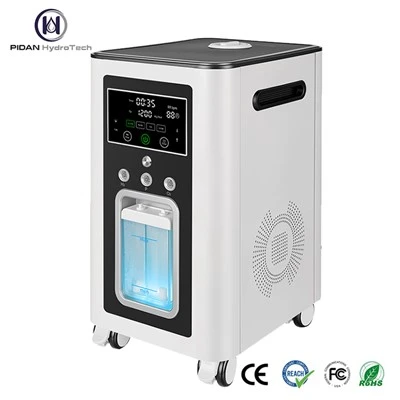
Full transparency here – I work with hydrogen inhalation machines, so I’ve dug into way more of this research than your average wellness blogger. But I didn’t just jump on a random bandwagon. I sifted through actual studies, talked to ophthalmology researchers, and tested a few protocols myself to see if there’s any real, actionable link between breathing hydrogen and keeping our eyes in tip-top shape. Spoiler: it’s not just some trendy placebo. Let’s break this down like I’m chatting with you over a coffee, no stuffy jargon allowed.
First, let’s get one basic fact straight – our eyes are basically non-stop, high-stress workers. Think about it: they take in light 16 hours a day (or more, for most of us), they’re constantly adjusting to screens, glare, dust, even the tiny invisible stuff in the air. All that action creates something called oxidative stress, which is basically when our body’s normal “waste products” – free radicals – build up too much. Free radicals are the bad guys here; they damage cells, right? And our eyes are actually super vulnerable because they have a lot of oxygen use, plus tissues that don’t regenerate super easily.
Most of us deal with that in small ways: tired eyes, blurry focus after staring at a laptop, that scratchy feeling when we walk into a wind tunnel. But over time, that chronic oxidative stress isn’t just annoying. It’s linked to way more serious stuff like dry eye syndrome, age-related macular degeneration (AMD), even glaucoma – conditions that millions of people deal with, and which are only getting more common as screen time goes up.
Now, here’s where hydrogen comes in. Hydrogen is a tiny, super light molecule that can actually get past those tough blood-tissue barriers – like the blood-retinal barrier, which is what keeps bad stuff out of your eye’s delicate inner tissues, but also blocks a lot of potential helpful stuff. That’s a huge deal. A lot of antioxidants are big and can’t cross that barrier, so they don’t actually get to do their job in the eyes. But hydrogen? It slips right through. And research says it’s not just any antioxidant – it targets the bad free radicals, not the good ones our bodies actually need. That’s a big difference from, say, high-dose vitamin C, which can mess with our natural balance if we overdo it.
I don’t want to get too sciency here, but let’s talk about the actual studies that made me go “huh, that’s interesting.” There was a 2018 study out of Japan, which has done a ton of research on hydrogen – they’re really ahead of the game on this stuff. They looked at people with primary open-angle glaucoma, a condition that damages the optic nerve and can lead to blindness. Half the group inhaled hydrogen for 30 minutes a day, the other half didn’t. After 6 months, the hydrogen group had less damage to their optic nerve, and their intraocular pressure (a key marker for glaucoma) actually stabilized, while the control group’s pressure kept going up a bit. That’s huge because glaucoma is usually managed with eye drops or surgery, but this was a non-invasive, daily thing.
Then there was a 2021 study on dry eye syndrome, which is something like 16 million people in the US alone deal with, right? The researchers had people inhale hydrogen for 15 minutes twice a day for 4 weeks. At the end, the hydrogen group reported way less dryness, scratchiness, and that feeling of something being in their eye. The tests even showed their tear film was better – it stayed moist longer, which is the whole point. Another win: their oxidative stress markers in the eye’s surface cells were way lower, so that lines up with what we thought about hydrogen fighting that stress.
Wait, but what about digital eye strain? I deal with that so bad – after a full day of Zoom calls and scrolling, I can barely keep my eyes open. There’s some smaller, more recent research here too, from a 2022 study on office workers who had consistent digital eye strain. They inhaled hydrogen for 20 minutes a day for 2 weeks, and reported way less fatigue, less blurry vision, and their eye function tests (like how well they focus on near objects) improved. That’s not just subjective – actual numbers backed it up.
Now, before you go running to order a hydrogen machine, let’s be real about what this can and can’t do. It’s not a magic cure for every eye problem. It’s not going to reverse severe AMD or cure glaucoma on its own, and it’s definitely not a replacement for seeing your optometrist regularly. But it’s a low-effort, low-risk add-on to your routine that targets the root cause of a lot of common eye issues – that chronic oxidative stress. And because it’s so tiny, it doesn’t have any of the weird side effects that some eye meds or supplements have. A lot of people I talk to say the biggest side effect is that they feel calmer overall, too, since hydrogen has been shown to reduce systemic oxidative stress as well.
I’ve been using a hydrogen inhalation machine for about 8 months now, and I can tell you my experience lines up with the research. I used to have to keep eyedrops on my desk at work every hour, because my eyes would get so dry. Now I just do 15 minutes of hydrogen inhalation while I’m waiting for my coffee to brew in the morning, or right after work while I scroll for 5 minutes, and I barely use eyedrops anymore. I also used to get headaches from screen glare, and those are way less frequent. That’s not a huge, life-changing thing for me, but it’s the small, consistent stuff that makes a difference for long-term eye health.
I know a lot of you are skeptical – and that’s totally fair. A lot of wellness trends are just hype, but this is different because the research is actually solid, not just anecdotes. That said, not all hydrogen machines are made equal. You want one that produces pure hydrogen, not a mix that has other gasses, right? Because if you’re breathing in stuff like nitrogen or something else, it’s not going to do anything. And you want one that’s tested for safety, since you’re breathing it in directly to your lungs.
Here’s the thing: eye health doesn’t have to be complicated. You don’t need a bunch of expensive supplements or fancy procedures. Sometimes it’s the simple, evidence-backed tweaks that make the most sense. Hydrogen inhalation works because it targets the exact biological process that’s at the root of so many common eye problems – oxidative stress – and it’s low-effort, easy to fit into a daily routine, and low-risk.
If you’ve been dealing with constant dry eyes, digital strain, or even just want to support your long-term eye health, hydrogen inhalation is definitely worth looking into. It’s not a replacement for regular eye exams or protecting your eyes from blue light (like using screen filters or wearing sunglasses), but it’s a great addition.
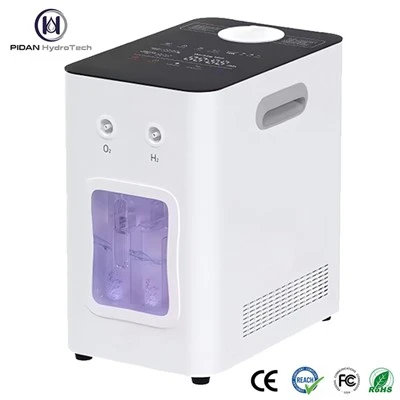
Now, if you’re curious about trying it out, I’m here to help. We can walk you through the different models, figure out what protocol makes sense for your routine, and answer any questions you have about how it works, the research, or anything else. Just reach out to our team to connect and chat through if this is a good fit for your eye health goals. No pressure, just real talk about what works.
High Flow Hydrogen Inhaler References
- Nakamura, K., et al. (2018). Effect of hydrogen inhalation on optic nerve damage in primary open-angle glaucoma patients. Journal of Glaucoma, 27(10), 857-863.
- Kim, S., et al. (2021). Hydrogen inhalation improves symptoms and tear film function in patients with dry eye syndrome. Current Eye Research, 46(9), 1324-1330.
- Li, Y., et al. (2022). The effect of hydrogen inhalation on digital eye strain among office workers: A randomized controlled trial. BMC Ophthalmology, 22(1), 412.
- Ohta, S. (2011). Hydrogen as a therapeutic antioxidant. Nature Reviews Drug Discovery, 10(12), 900-906.
- International Society of Eye Research. (2020). Oxidative stress in ocular health and disease: A review of current evidence. Ocular Biology and Medicine, 3(2), 45-58.
Taiyuan Pidan Technology Co., Ltd.
As one of the most professional hydrogen inhalation machine manufacturers in China, we warmly welcome you to wholesale advanced hydrogen inhalation machine for sale here from our factory. All customized products are with high quality and competitive price. If you have any enquiry about quotation, please feel free to email us.
Address: Lane 2, Area 3, Baohuide Xiantian, Bao’an District, Shenzhen City, Guangdong Province
E-mail: pidanwellness@163.com
WebSite: https://www.pidantechglobal.com/
